
Fire-Damaged Car Value Without Roadworthy: What South African Owners Need to Know
Learn how fire damage and lack of roadworthy affect your car's value in South Africa, when to repair or sell, and practical steps for a smooth sale.
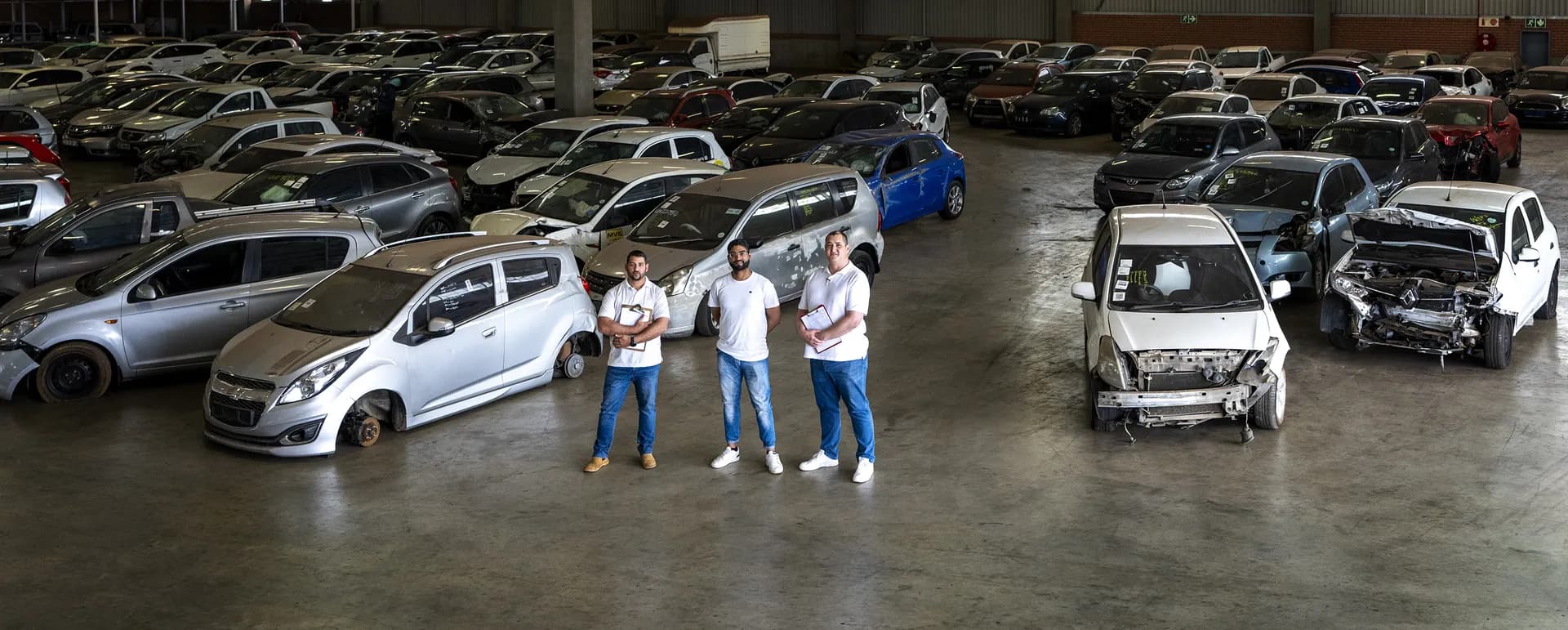
Fire Damage Reduces Value
Extent of fire - interior, wiring or structural - greatly affects offers and repair viability.
Sell vs Repair Considerations
If repair costs approach pre-fire value, selling as-is to a specialist is often practical.
We Handle Paperwork & Towing
Specialist buyers can arrange free nationwide towing and manage deregistration and finance settlement.
Overview: valuing a fire-damaged car without a roadworthy
When a car has suffered fire damage and does not have a current roadworthy certificate, its market value changes significantly. Fire affects structural, electrical and upholstery components, and removal of a roadworthy status limits legal resale for driving in South Africa. This guide explains how professionals assess a fire-damaged car value without roadworthy, when repair is sensible versus selling as-is, and what to expect when you use a cash buyer that handles collection and paperwork nationwide.
How fire damage influences valuation
Valuation considers three main factors: pre-incident market value, extent of fire damage, and whether the car can be made roadworthy at reasonable cost. Fire often damages wiring, ECU, plastics, interior trim and sometimes structural components. Even after repairs, insurers and buyers may classify the vehicle as written-off or salvage, reducing resale options. For many owners the most practical outcome is a competitive cash offer from a specialist buyer who accepts vehicles in any condition, arranges free towing and handles deregistration.
Quick note on terminology
In South Africa a roadworthy certificate confirms the vehicle meets minimum safety standards for driving. A car described as non-roadworthy or without a current certificate is treated differently by insurers, dealerships and private buyers - and this affects the fire-damaged car value without roadworthy.
When to sell versus repair
Deciding between repairing a fire-damaged car and selling as-is depends on repair cost estimates, the car’s pre-damage value, and personal factors such as time, stress and the need for a reliable vehicle. Repairs can be viable for late-model cars with high residual value and limited interior damage; selling is often better for older cars, extensive electrical/structural fire damage, or when the cost of obtaining a new roadworthy exceeds likely resale value.
Repair cost vs value retained
| Scenario | Typical repair cost (R) | Estimated value retained after repair |
|---|---|---|
| Minor interior fire (seat, trim, wiring) | R5,000 - R25,000 | 70-90% of pre-fire market value (subject to certification) |
| Moderate fire (extensive wiring, some plastic melt) | R25,000 - R70,000 | 50-75% of pre-fire market value |
| Severe fire (structural or engine bay) | R70,000+ | Often <50% or classified as salvage |
These ranges are illustrative and depend on model, age and parts availability in South Africa. Labour rates, availability of original parts and the need for ECU replacement or reprogramming can push costs higher. If repair costs approach or exceed the vehicle’s pre-fire market value, selling as-is to a specialist buyer is typically the pragmatic choice.
How the selling process works with specialist buyers
Specialist car purchasers that handle fire-damaged, non-running or non-roadworthy vehicles usually follow a straightforward online valuation and collection model. They provide a competitive cash offer based on your vehicle details and photos, arrange free towing across South Africa, take care of the paperwork including deregistration and arrange payment. Using a specialist reduces the time, transport and admin burden compared with private selling or attempting repairs.
If you want to learn how the selling workflow works in detail, see our company overview and process on the About page: About / How it works.
For owners of fire-damaged vehicles that no longer reach roadworthy standards, a buyer that accepts vehicles in any condition can be especially helpful - they evaluate salvage potential, parts demand and local market interest when forming an offer. Specialist buyers also manage cars under finance by liaising with lenders about settlement and deregistration.
If your vehicle is fire-damaged but still listed as non-running rather than written off, you may also explore options on our Sell Damaged Cars information page: Sell Damaged Cars.
Legal & paperwork in South Africa for fire-damaged, non-roadworthy vehicles
When selling a fire-damaged car without roadworthy certification, there are a few legal and administrative points to consider. Deregistration (or transfer of ownership to a dealer) should be handled correctly to protect you from future liabilities. If the vehicle is still under finance, the lender has an interest in the vehicle and must be informed; many specialist buyers will coordinate settlement with the finance house. Always obtain written confirmation that the buyer will manage deregistration and any clearance certificates.
Damage types vs typical offer impact
| Damage type | Typical impact on offers |
|---|---|
| Superficial interior fire (upholstery, dash smoke) | Moderate reduction - parts and cleaning required; may still be repairable |
| Engine bay or wiring loom fire | Significant reduction - electrical systems and ECU replacement increase costs |
| Structural/roof/seat frame damage | Major reduction - often classified as salvage or written-off |
| Complete burn or extensive frame damage | Lowest offers - typically valued for parts or scrap |
Tips to maximise the offer on a fire-damaged car
- Provide clear photos from multiple angles, including close-ups of fire-affected areas and the engine bay when possible.
- Supply full vehicle details: make, model, year, VIN/chassis number and service history - buyers pay more for traceable vehicles.
- Be honest about prior repairs, outstanding finance and whether the car has been declared a write-off by an insurer.
- If you have any retention items (wheels, intact electronics) note them - these can add value to a buyer who sells parts locally.
If your car is non-running as a result of the fire, see our guidance on selling non-running vehicles for practical submission tips: Sell Non-Running Car.
What happens after collection
After you accept an offer, a reputable buyer will arrange free towing across major metros and surrounding areas, including Johannesburg, Cape Town and Durban, and from many regional locations. The buyer should complete transfer or deregistration paperwork and provide proof of payment. In South Africa the timeline from collection to cleared payment often depends on bank processing and any finance settlement requirements; ask for a timeline in writing.
Practical South Africa scenarios and examples
Example 1: A 2010 sedan with superficial interior fire but intact engine may be repairable; repair costs could be R10,000-R30,000 depending on parts and labour, and the owner may choose to repair if their expected retained value justifies it. Example 2: A 2005 bakkie with engine bay fire and no roadworthy is often more valuable to a specialist buyer for parts or salvage than to a private seller - a specialist can give a competitive cash offer and arrange free nationwide towing.
Final considerations and how to proceed safely
When comparing offers, request written terms that include whether the buyer handles deregistration, how they settle outstanding finance, and an itemised description of what is included in the sale. Avoid offers that pressure you to sign without documentation. A transparent buyer will explain valuation drivers and provide references or reviews from other South African sellers.
For a clear starting point, review the company process and transparency statements on the homepage: Sell Your Damaged Car homepage.
Sources
- Automobile Association of South Africa - vehicle advice and safety checks
- Road Traffic Management Corporation (RTMC) - vehicle registration and roadworthy information
- Context resources on vehicle labour and repair considerations in South Africa
Note: monetary ranges above are illustrative estimates in South African rand (R) based on typical workshop rates and parts availability in South Africa; actual costs vary by model, location and the extent of fire damage. Always obtain at least one independent repair estimate and a separate specialist offer before deciding.
Seasoned automotive specialists dedicated to helping you turn your damaged or non-running vehicle into cash fast and hassle-free.
Disclaimer: This content is for educational purposes only. Product availability, pricing, and specifications are subject to change. Always verify current details on the retailer's website before making a purchase. We may earn affiliate commissions from qualifying purchases.
Why sell your damaged car to us?

A Division of Auction Nation, the leading expert in selling damaged cars

Best price for your damaged car

Get a cash offer within 24h

We buy damaged cars in any condition

We buy accident- damaged cars still under finance

Free, no obligation offer on your vehicle
How We Calculate Your Damaged Car’s Value
Wondering how we calculate your car’s value? At Sell Your Damaged Car, we look at: Your car’s real condition, its salvage value, and the current market demand. It’s all about honesty, transparency, and fairness — that’s how we determine your offer.
Frequently Asked Questions
Get answers to common questions about Damage Types
Why Choose Sell Your Damaged Car?
Free Towing
Need a tow? We got you
Hassle Free
Get a cash offer within 24h!
Nationwide
Somewhere remote? No problem!
