
Fire-Damaged Car Value Estimation - How to Assess Worth in South Africa
Learn how to estimate the value of a fire-damaged car in South Africa: damage assessment, repair vs sell guidance, paperwork, and practical tips for owners.
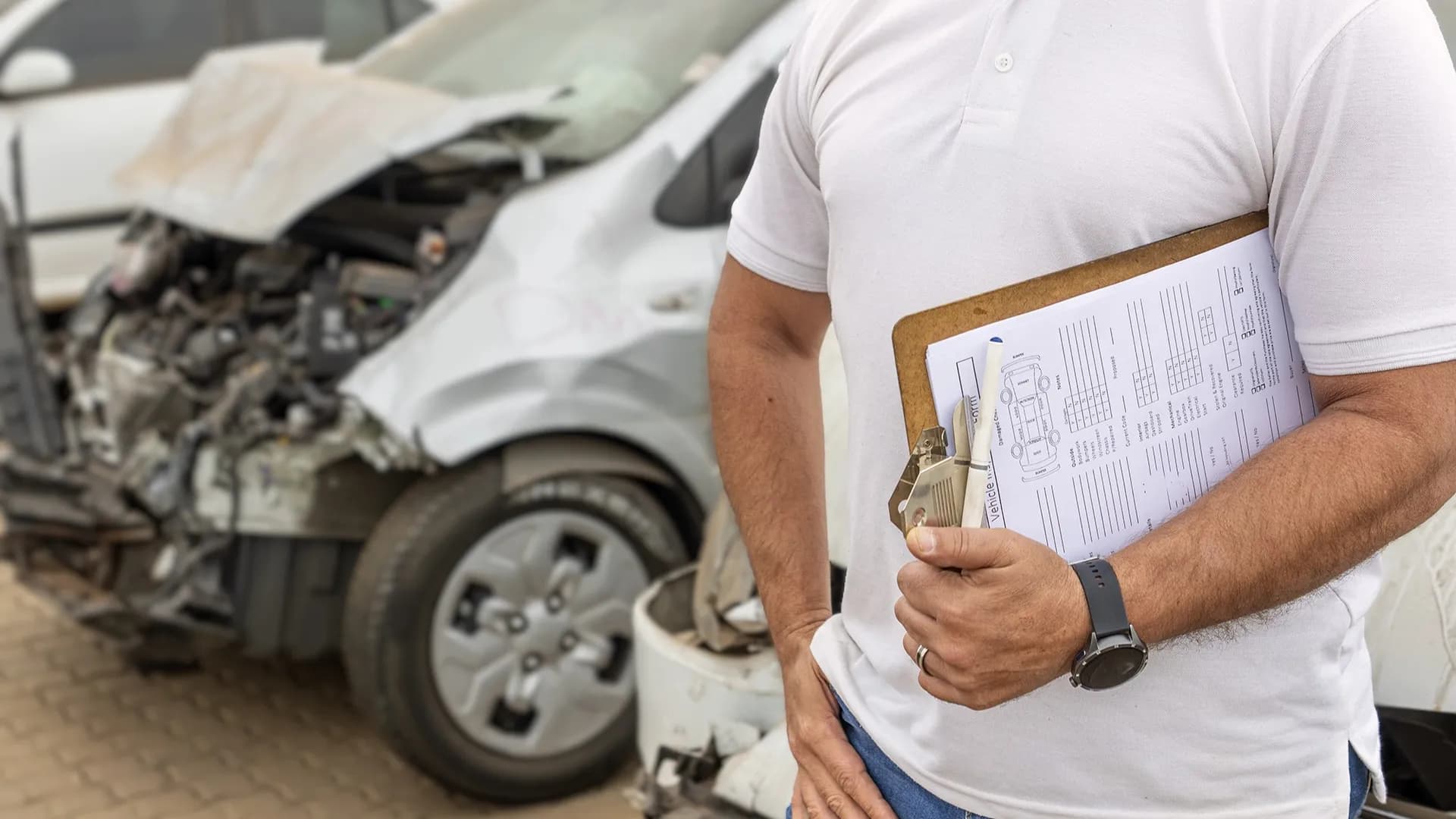
Key Valuation Drivers
Extent of engine, wiring and structural fire damage determine most of the value loss.
Sell or Repair Decision
Compare realistic repair costs against retained market value and time to restore.
SA Practical Steps
Document damage, get an assessor report, resolve finance and use buyers who handle towing.
Overview: What affects a fire-damaged car value estimation
Estimating the value of a fire-damaged car requires evaluating structural, mechanical and cosmetic damage, plus market factors specific to South Africa. The term fire-damaged car value estimation here means an evidence-based approach to determine realistic resale or salvage worth - not a formal insurance valuation. Key drivers include the extent of heat and smoke damage, whether the engine, wiring loom, airbags and interior were affected, and the vehicle’s pre-incident market value (make, model, year, mileage).
Why this matters for South African sellers
Owners in Johannesburg, Cape Town, Durban and surrounds face different salvage demand and transport logistics, but the same valuation principles apply. Understanding likely retained value helps decide whether to repair, sell privately, or use a specialist buyer who handles towing and paperwork.
When to sell vs repair
Deciding to sell a fire-damaged car depends on estimated repair cost versus residual market value post-repair and the time, risk and compliance costs of restoring the vehicle to roadworthy condition. If repair costs approach or exceed the vehicle’s market value, selling as-is or to a salvage buyer is often the pragmatic choice. For vehicles with minor interior or cosmetic fires, repair may be viable - but confirm with a qualified assessor.
Practical note: Airbag deployment, melted wiring looms or engine bay fires typically reduce recoverable value substantially and can make repair expensive and complex.
Repair cost vs value retained (illustrative)
| Typical repair scenario | Estimated repair cost (R, illustrative) | Likely value retained (%) |
|---|---|---|
| Minor interior fire (seats, carpets, cabin smoke) | R10,000 - R40,000 | 60-80% |
| Engine bay or wiring damage | R40,000 - R150,000+ | 20-50% |
| Severe structural / full vehicle fire | Often beyond economical repair | 0-15% |
Damage types vs typical offer impact
| Damage type | Common valuation impact |
|---|---|
| Surface/smoke damage only | Moderate impact - repairable, retains more value |
| Interior components burned (seats, trim) | Higher impact - costly to restore, lowers offers |
| Wiring loom / ECU / engine bay affected | Significant impact - technical repairs expensive, reduces offers |
| Structural or full-vehicle fire | Major impact - often deemed salvage/written-off |
How to create a reliable fire-damaged car value estimation
- Document damage carefully: clear photos of engine bay, interior, underside and VIN plate, plus a written description of how the fire started and firefighting history.
- Obtain a mechanic or assessor report: an experienced technician can confirm whether electrical systems, engine, chassis or airbags were compromised.
- Compare pre-incident market value: use online listings and local demand in major metros (Johannesburg, Cape Town, Durban) to approximate the baseline value before fire damage.
- Estimate repair vs replacement costs: include labour, part availability, and potential electronic/electrical complexity for modern vehicles.
For owners who decide not to repair, specialist buyers offer a streamlined option to sell a fire-damaged vehicle as-is. Learn more about selling damaged vehicles on our Sell Damaged Cars page, which explains common scenarios and documentation support.
If the car no longer runs after the fire, consider resources on selling non-running vehicles: the practical steps are outlined on the Sell Non-Running Car page.
How the process works when valuing a fire-damaged car
A typical valuation process combines visual inspection, technical assessment and market analysis. An assessor will note visible damage, check the VIN and service history, test electrical circuits where possible, and advise whether repair path or salvage sale is more appropriate. For vehicles still under finance, the lender’s interest must be resolved before transfer; this affects net proceeds and paperwork.
Legal & paperwork in South Africa
When selling a fire-damaged vehicle in South Africa you should be prepared to handle or provide: the vehicle registration document (if available), a clear written description of the incident, proof of ID, and settlement of any finance encumbrances. Vehicles written off by insurers will often have specific codes on the registration history; a deregistration or transfer process may be required when ownership changes. Specialist buyers frequently assist with deregistration and transfer to make the process straightforward for sellers.
Tips to maximise your offer
- Provide thorough documentation: clear photos, receipts for prior servicing and the assessor’s report generally improve buyer confidence and may increase offers.
- Disclose damage honestly: transparent disclosure avoids delays in transfer and protects you legally.
- Check salvage part value: some makes/models have strong demand for spare parts which can lift salvage offers.
- Compare specialist buyers: look for services that include free towing, paperwork handling and fast payment to reduce your out-of-pocket costs.
If you want background on how we assess damaged vehicles and handle collections nationwide, see our About page for process details: About / How it works. For an overview of selling directly through our main service, visit the homepage.
What happens after collection
After an as-is sale to a specialist buyer: the vehicle is towed (often free nationwide), ownership transfer and deregistration are handled, and payment is released to the seller once documentation is verified. For insurers and lenders, additional checks may be required before transfer completes - always confirm timelines in writing.
Practical South Africa scenarios and examples
Example scenarios commonly seen in metros: a suburban Johannesburg sedan with minor interior smoke damage may be economical to repair but still carry significant repair bills; a Durban vehicle with engine bay fire often becomes salvage due to corrosion and electronic damage; older models with limited parts demand may retain more value for spares than for restoration. These examples are indicative - exact outcomes depend on condition, parts prices and local demand.
Final considerations
A careful, evidence-based fire-damaged car value estimation helps you choose the least costly and lowest-risk path. Whether you pursue repair or sell as salvage, prioritise clear documentation, a qualified technical inspection, and sellers or buyers who handle towing and paperwork to reduce delays and hidden costs.
Sources
- South African Insurance Association - motor insurance and salvage guidance
- Automobile Association of South Africa - vehicle advice and roadside considerations
- Road Traffic Management Corporation (eNaTIS) - registration and transfer information
Notes: figures and ranges in this guide are illustrative and meant to reflect common South African repair costs and valuation impacts; actual costs vary by vehicle, parts availability and local labour rates. Always obtain specific quotes and written assessments before committing to repair or sale.
Seasoned automotive specialists dedicated to helping you turn your damaged or non-running vehicle into cash fast and hassle-free.
Disclaimer: This content is for educational purposes only. Product availability, pricing, and specifications are subject to change. Always verify current details on the retailer's website before making a purchase. We may earn affiliate commissions from qualifying purchases.
Why sell your damaged car to us?

A Division of Auction Nation, the leading expert in selling damaged cars

Best price for your damaged car

Get a cash offer within 24h

We buy damaged cars in any condition

We buy accident- damaged cars still under finance

Free, no obligation offer on your vehicle
How We Calculate Your Damaged Car’s Value
Wondering how we calculate your car’s value? At Sell Your Damaged Car, we look at: Your car’s real condition, its salvage value, and the current market demand. It’s all about honesty, transparency, and fairness — that’s how we determine your offer.
Frequently Asked Questions
Get answers to common questions about Damage Types
Why Choose Sell Your Damaged Car?
Free Towing
Need a tow? We got you
Hassle Free
Get a cash offer within 24h!
Nationwide
Somewhere remote? No problem!
