
Fire-Damaged Car Salvage Value Estimate - South Africa Guide
Understand how a fire-damaged car salvage value estimate is calculated in South Africa, legal papers to organise, repair vs sell guidance, and steps to prepare your vehicle.
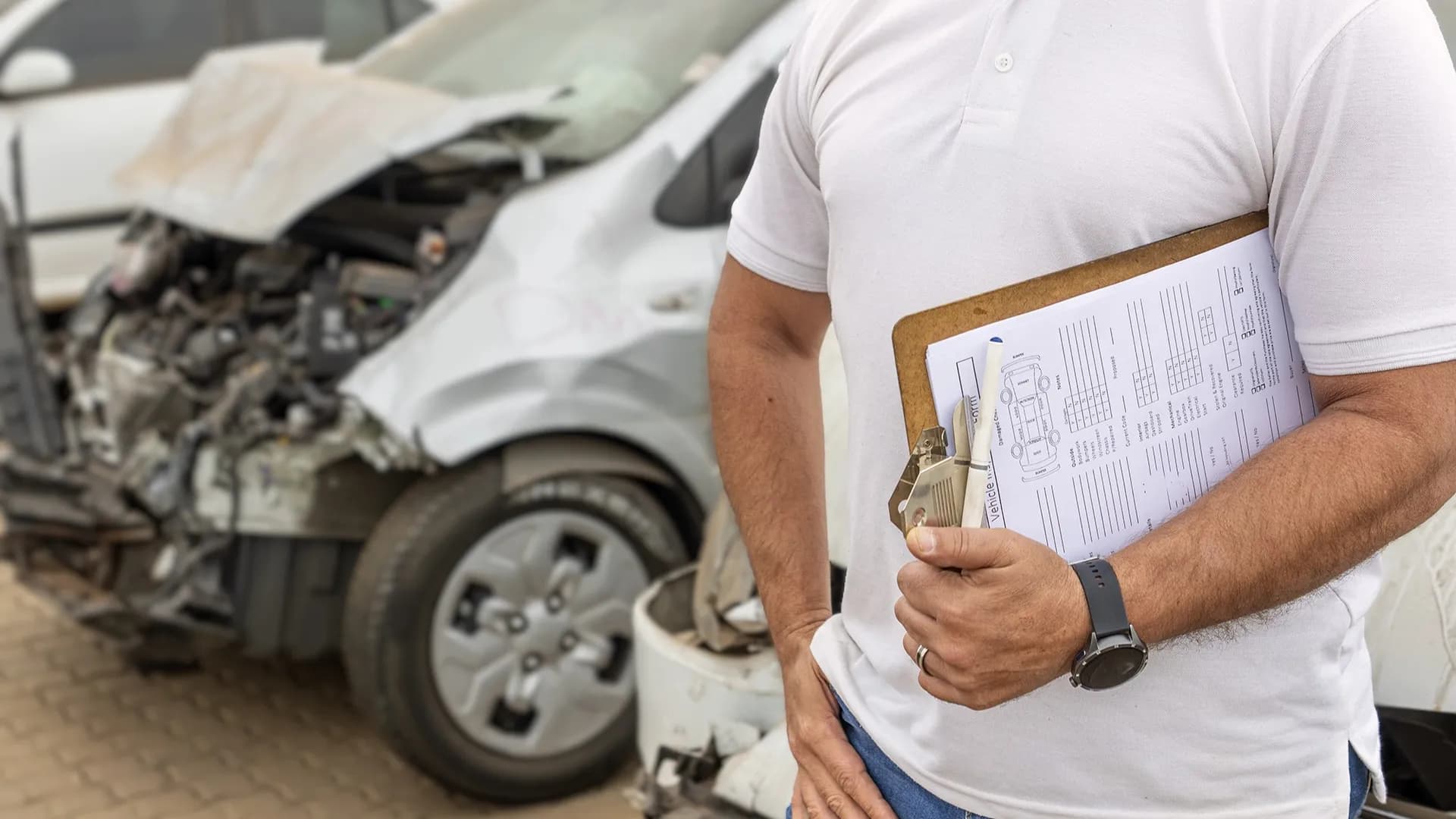
Key Value Drivers
Damage location, salvageable parts and documentation determine estimates.
Repair vs Sell
Compare repair cost estimates in R to likely post-repair value before deciding.
SA Practical Steps
Photos, finance status and proper paperwork speed valuation and transfer.
Overview: What affects a fire-damaged car salvage value estimate
A fire-damaged car salvage value estimate describes the likely market worth of a vehicle after fire damage has been assessed. Multiple variables influence this estimate including the intensity and location of the fire damage, whether structural or only cosmetic systems were affected, the make and model, pre-incident market value, and demand for parts in the salvage market. In South Africa, salvage values are also shaped by local tow and recovery costs, deregistration rules, and how cleanly paperwork can be transferred to a buyer or recycler.
Key value drivers
- Extent of structural versus electrical or interior damage.
- Condition of the engine, gearbox and chassis after heat exposure.
- Availability of salvageable parts for the model in South Africa.
- Vehicle age, mileage and pre-fire retail value in R (estimates).
- Documentation, registration status and whether the vehicle is under finance.
Practical note for South African owners
A salvage value estimate is not a fixed market price but a working figure used by buyers, insurers and recyclers. If your vehicle is in Cape Town, Johannesburg or Durban, local demand for parts and tow distances will affect net offers. For a quick practical way to explore options, see our Sell Damaged Cars page.
When to sell versus attempt repair
Deciding whether to sell a fire-damaged car or repair it depends on a comparison of estimated repair costs, residual market value, safety and legal compliance after repair, and how quickly you need to resolve the vehicle. Repairs after fire often require specialist work (electrical systems, wiring looms, airbags, and corrosion prevention) which can be costly and may not restore resale confidence. For non-running or extensively damaged vehicles, selling to a specialist buyer or salvage recycler is often the simpler option.
Considerations specific to South Africa
- If the vehicle is under finance, inform the lender; outstanding debt will affect legal transfer options.
- Long-distance towing from rural areas increases collection costs - though many buyers now offer free towing nationwide.
- Deregistration and transfer rules can vary; specialist buyers often handle this as part of the sale process.
Repair cost vs value retained
| Typical repair range (R) - estimate | What this often means for owners |
|---|---|
| R10,000 - R50,000 | Minor interior and trim fire damage; repair can be cost-effective if vehicle value was higher. |
| R50,000 - R150,000 | Significant electrical, wiring or engine compartment damage; accept careful valuation before committing to repair. |
| R150,000+ | Major structural and mechanical repairs; often leads owners to consider selling as salvage rather than full rebuild. |
These ranges are illustrative and depend on vehicle type, age and labour parts costs in South Africa. They are not offers or valuations but examples to help decide whether repair costs are proportionate to likely post-repair value.
If you need a clear, no-obligation path to convert a fire-damaged vehicle to cash and remove logistical burden, see how our online valuation works on the How it works page.
How the salvage valuation and selling process works
A typical specialist buyer or salvage recycler will: request clear photos and a description of the fire damage, check registration and any finance status, provide a salvage value estimate based on parts demand and repair complexity, and arrange collection and handover. Many South African services follow an online-first approach: upload details and images, receive an estimate, accept an offer, and have the vehicle collected with paperwork handled.
Step-by-step for South African owners
- Prepare clear photos of the exterior, engine bay and interior damage.
- Gather vehicle documents and note any outstanding finance information.
- Submit details to a reputable salvage buyer-national services often provide free towing.
- Review the written salvage value estimate and paperwork checklist before agreeing to sell.
Legal & paperwork considerations in South Africa
In South Africa, transfer of ownership and deregistration steps must be handled correctly to remove liability. If a vehicle is financed, settling the finance or arranging lender consent is required before clear transfer. A specialist buyer can manage deregistration, provide a receipt of sale and handle eNatis-related admin where applicable. Always obtain written confirmation that the seller is no longer liable for the vehicle after collection.
Common paperwork items
- RSA registration papers and ID of the seller.
- Proof of settlement or letter from the finance company if applicable.
- A signed receipt of sale and transfer forms, with copies for both parties.
Tips to maximise your salvage value estimate
- Provide accurate, high-resolution photos from multiple angles and detail under-hood condition.
- Be transparent about pre-existing mechanical issues and history; hidden problems reduce trust and value.
- Keep documentation organised (service history, registration and ID) to speed valuation and transfer.
- Compare a few reputable buyers and check reviews - local demand (Cape Town, Johannesburg, Durban) can vary.
Damage types vs typical impact on salvage valuation
| Damage type | Typical impact on salvage valuation |
|---|---|
| Interior/trim fire (limited) | Lower reduction if mechanical and structural components are intact; parts market still valuable. |
| Electrical & wiring loom damage | Significant negative impact due to high replacement complexity and cost. |
| Engine bay / mechanical fire | Major reduction; salvage usually for parts or scrap rather than rebuild. |
| Structural/chassis fire | Highest negative impact; safety concerns make repair and resale difficult. |
What happens after collection
After you accept a written estimate and the vehicle is collected, expect the buyer to provide a sale receipt and proof of collection. The buyer then moves the vehicle into recycling, parts reclamation or repair channels depending on condition. Ensure you receive confirmation that any finance has been settled or arrangements agreed, and obtain a record that the vehicle has been deregistered or transferred to the buyer to remove future liability.
If you want to explore a straightforward, nationwide option that handles valuation, paperwork and towing, you can start with a quick upload of details on our homepage or read more about selling non-running vehicles on the Sell Non-Running Car page.
Final checklist for a reliable fire-damaged car salvage value estimate
- Clear photos and honest damage description.
- All registration and finance documentation available.
- Multiple valuation comparisons when time allows.
- Written confirmation of collection, transfer and payment terms.
Sources
Seasoned automotive specialists dedicated to helping you turn your damaged or non-running vehicle into cash fast and hassle-free.
Disclaimer: This content is for educational purposes only. Product availability, pricing, and specifications are subject to change. Always verify current details on the retailer's website before making a purchase. We may earn affiliate commissions from qualifying purchases.
Why sell your damaged car to us?

A Division of Auction Nation, the leading expert in selling damaged cars

Best price for your damaged car

Get a cash offer within 24h

We buy damaged cars in any condition

We buy accident- damaged cars still under finance

Free, no obligation offer on your vehicle
How We Calculate Your Damaged Car’s Value
Wondering how we calculate your car’s value? At Sell Your Damaged Car, we look at: Your car’s real condition, its salvage value, and the current market demand. It’s all about honesty, transparency, and fairness — that’s how we determine your offer.
Frequently Asked Questions
Get answers to common questions about Damage Types
Why Choose Sell Your Damaged Car?
Free Towing
Need a tow? We got you
Hassle Free
Get a cash offer within 24h!
Nationwide
Somewhere remote? No problem!
