
Fire-Damaged Car Negotiations in South Africa: How to Get a Fair Offer
Practical, South Africa-focused guidance on negotiating offers for fire-damaged vehicles: valuation factors, repair-vs-sell checks, paperwork and negotiation tactics.
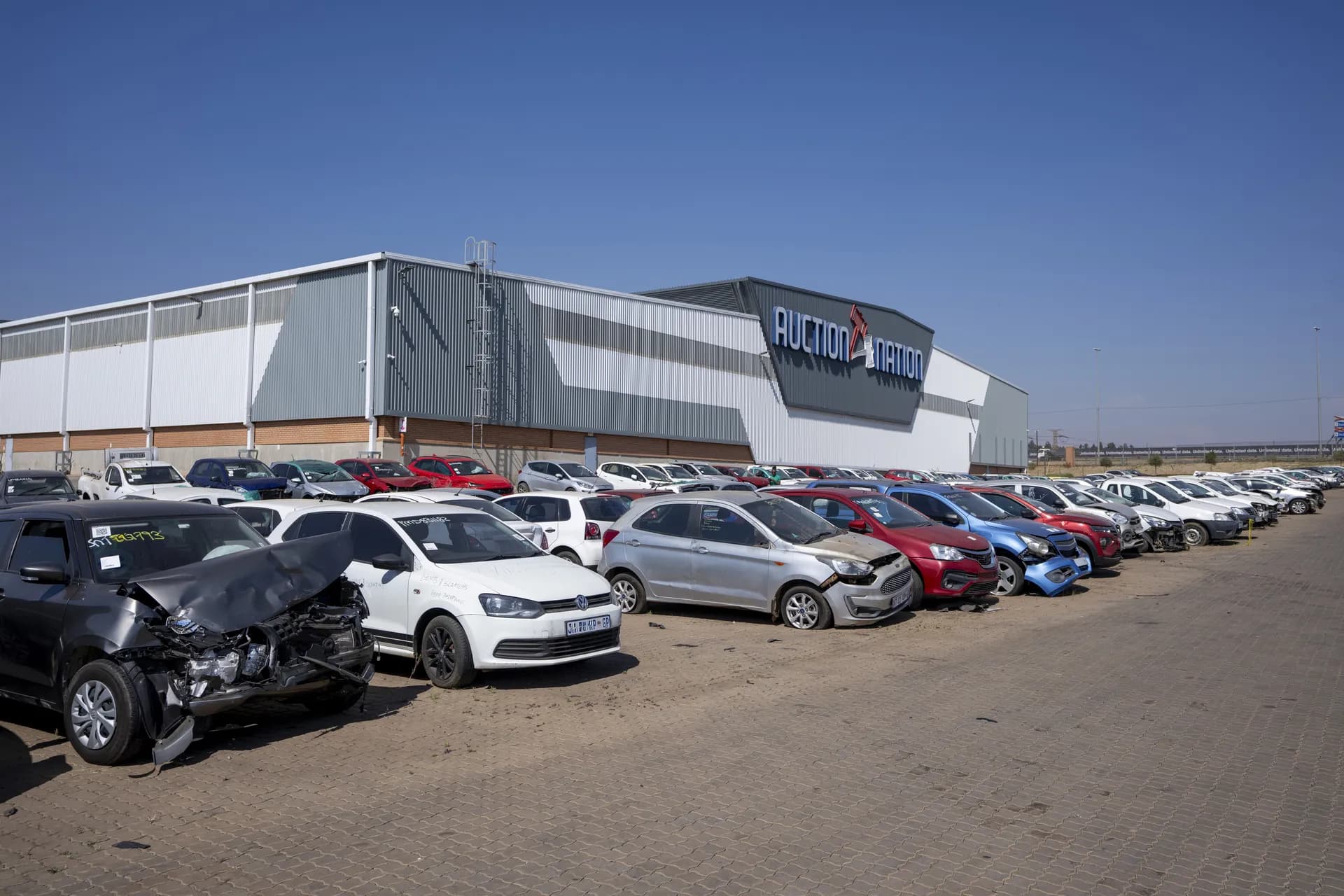
Understand Damage Impact
Fire severity, electrical and structural damage drive offers more than cosmetics.
Prepare Documentation
Photos, independent repair quotes and ownership papers strengthen your negotiating position.
Check Paperwork & Fees
Confirm who handles deregistration, outstanding finance and towing before accepting an offer.
Quick summary
If your vehicle has suffered fire damage, understanding how damage type, repair costs and salvage demand affect offers helps you negotiate confidently. This guide explains valuation factors, the negotiation process in South Africa and practical steps to protect your interests.
Overview: fire-damaged car negotiations South Africa
Fire damage ranges from light smoke staining to structural or engine heat damage. In South Africa, offers for a fire-damaged car reflect the car's pre-loss market value, the extent of thermal and smoke damage, repair feasibility, safety implications and the local salvage market demand. Knowing these elements helps you negotiate with trade buyers, salvage specialists and services that buy vehicles in any condition.
Key valuation factors
- Extent of structural or chassis heat exposure (high impact).
- Engine and electrical system damage (often costly to repair).
- Interior and electronics affected by smoke or water from firefighting.
- Pre-damage market value (make, model, year, mileage).
- Documentation status (clear title, under finance, or written-off).
For a breakdown of how Sell Your Damaged Car assesses vehicles and handles offers, see our About / How it works page. If the vehicle no longer runs after fire exposure, our Sell Non-Running Car guidance explains common outcomes.
Damage types vs typical offer impact
| Damage type | Typical effect on offer |
|---|---|
| Surface smoke/soot only | Minor reduction if cosmetics only; interior cleaning may restore value |
| Localized component burn (wiring, fittings) | Moderate impact due to electrical repair costs and reliability concerns |
| Engine/structural heat damage | Significant reduction; often classified as written-off depending on repair cost vs value |
| Extensive interior & electronics burnt | Strongly lowered offers; large component replacement cost |
When to sell vs repair
Deciding whether to repair or sell depends on reliable cost estimates and post-repair marketability. Repairs can be viable for high-value vehicles with limited damage, but for older models or when repair estimates approach or exceed a large portion of the pre-loss market value, selling to a specialist often makes financial sense.
Repair cost vs value retained (illustrative estimates, South Africa)
| Scenario | Typical repair cost (R) - estimate | Value retained after repair |
|---|---|---|
| Minor interior smoke clean | R2,000 - R8,000 | 80-95% of pre-loss value |
| Electrical rewiring & module replacement | R10,000 - R60,000 | 50-80% (depending on parts availability) |
| Engine/structural repair | R50,000 - R200,000+ | Often under 50%; may be classed as write-off |
Estimates above are illustrative and depend on make, parts costs and labour rates in South Africa; always get at least two independent repair quotes before committing. If your vehicle is under finance, the lender’s policies affect whether you can proceed with repairs - check registration and finance status before negotiating.
How the negotiation process typically works
When you seek offers, buyers will ask for clear photos, a description of the fire event, the vehicle's VIN/chassis number and ownership documentation. Many buyers, including services that purchase damaged cars nationwide, also account for collection logistics, salvageable parts value and the cost they will incur to make the vehicle safe or export it for parts.
If you want a transparent view of how online valuation and offers are handled, the Sell Damaged Cars page outlines steps and documentation commonly requested.
Negotiation tips for fire-damaged car owners
- Gather clear, timestamped photos showing exterior, engine bay, dashboard, VIN plate and odometer.
- Obtain at least two independent repair or mechanical assessments to show repair feasibility and costs.
- Be transparent about the incident; omissions can reduce trust and offer value.
- Ask buyers to itemise deductions (towing, salvage preparation, administrative fees) so you compare like-for-like offers.
- When offered a trade-in or part-exchange, compare the net cash value to direct sale offers to a specialist buyer.
Legal & paperwork considerations in South Africa
In South Africa, transfer of ownership and deregistration matters. If the vehicle is written off by an insurer, confirm whether the insurer retains salvage rights or if you are free to sell the vehicle. For vehicles under finance, the lender may need to be paid out before transfer. A buyer that handles paperwork, deregistration and provides a clear purchase agreement reduces your administrative burden and legal risk; learn more about how buyers manage this on our About / How it works page.
Practical negotiation examples (South Africa scenarios)
Example: A 2012 hatchback with smoke-only damage may have cleaning costs of R5,000-R10,000. If the pre-loss private-sale value was R60,000, a buyer may reduce the offer to account for cleaning, minor repairs and resale margin. Provide comparative repair quotes to the buyer to argue for a smaller deduction.
Example: A 2016 double-cab bakkie with wiring and partial engine heat exposure could face R40,000-R120,000 in repairs (estimate). In these situations, many owners recover more value by selling to a specialist who pays a competitive cash offer and arranges free towing and paperwork, rather than investing in large uncertain repairs.
How to present your case during negotiations
- Provide clear ownership and service history documents to demonstrate baseline value.
- Share independent repair quotes and itemised parts lists.
- Ask the buyer for a written offer showing deductions, expected timeline and whether towing or admin fees apply.
- Where possible, request a physical inspection before accepting an offer - or ask how photos were assessed.
What happens after collection
After an accepted offer, reputable buyers will handle collection logistics, deregistration steps and payment. If a buyer arranges towing nationwide and manages paperwork, confirm who is responsible for settling any outstanding finance or issuing a clearance certificate. For an explanation of how nationwide collection and payment are commonly handled, see the service overview on the homepage.
Final notes and buyer selection checklist
- Prefer buyers who provide a written purchase agreement and clear breakdown of deductions.
- Confirm whether towing and paperwork are included, and whether payment timing is stated.
- When in doubt, seek a second opinion or use a specialist that buys salvage vehicles nationwide and is transparent about fees.
Safety and due diligence
Keep records of all communications, accept only documented offers and verify buyer identity and banking details before sharing personal or ownership documents. Low risk practices reduce disputes and speed transfer of ownership and payment.
Sources
- AA South Africa - Vehicle ownership and accident advice
- National Credit Act (South Africa) - guidance for vehicles under finance
- AutoTrader South Africa - used vehicle market context and pricing
Note: Repair cost ranges and valuation impacts in this guide are South Africa-specific estimates intended to help with negotiation preparation. Actual figures vary by make, parts availability and repairer labour rates. Always get independent written quotes and confirm legal implications if the vehicle is insured or under finance.
Seasoned automotive specialists dedicated to helping you turn your damaged or non-running vehicle into cash fast and hassle-free.
Disclaimer: This content is for educational purposes only. Product availability, pricing, and specifications are subject to change. Always verify current details on the retailer's website before making a purchase. We may earn affiliate commissions from qualifying purchases.
Why sell your damaged car to us?

A Division of Auction Nation, the leading expert in selling damaged cars

Best price for your damaged car

Get a cash offer within 24h

We buy damaged cars in any condition

We buy accident- damaged cars still under finance

Free, no obligation offer on your vehicle
How We Calculate Your Damaged Car’s Value
Wondering how we calculate your car’s value? At Sell Your Damaged Car, we look at: Your car’s real condition, its salvage value, and the current market demand. It’s all about honesty, transparency, and fairness — that’s how we determine your offer.
Frequently Asked Questions
Get answers to common questions about Damage Types
Why Choose Sell Your Damaged Car?
Free Towing
Need a tow? We got you
Hassle Free
Get a cash offer within 24h!
Nationwide
Somewhere remote? No problem!
