
Fire-Damaged Bakkie Valuation Guide - What Affects Your Offer in South Africa
Learn how a fire-damaged bakkie is valued in South Africa: key factors, repair vs sell guidance, paperwork, and tips to improve your salvage offer.
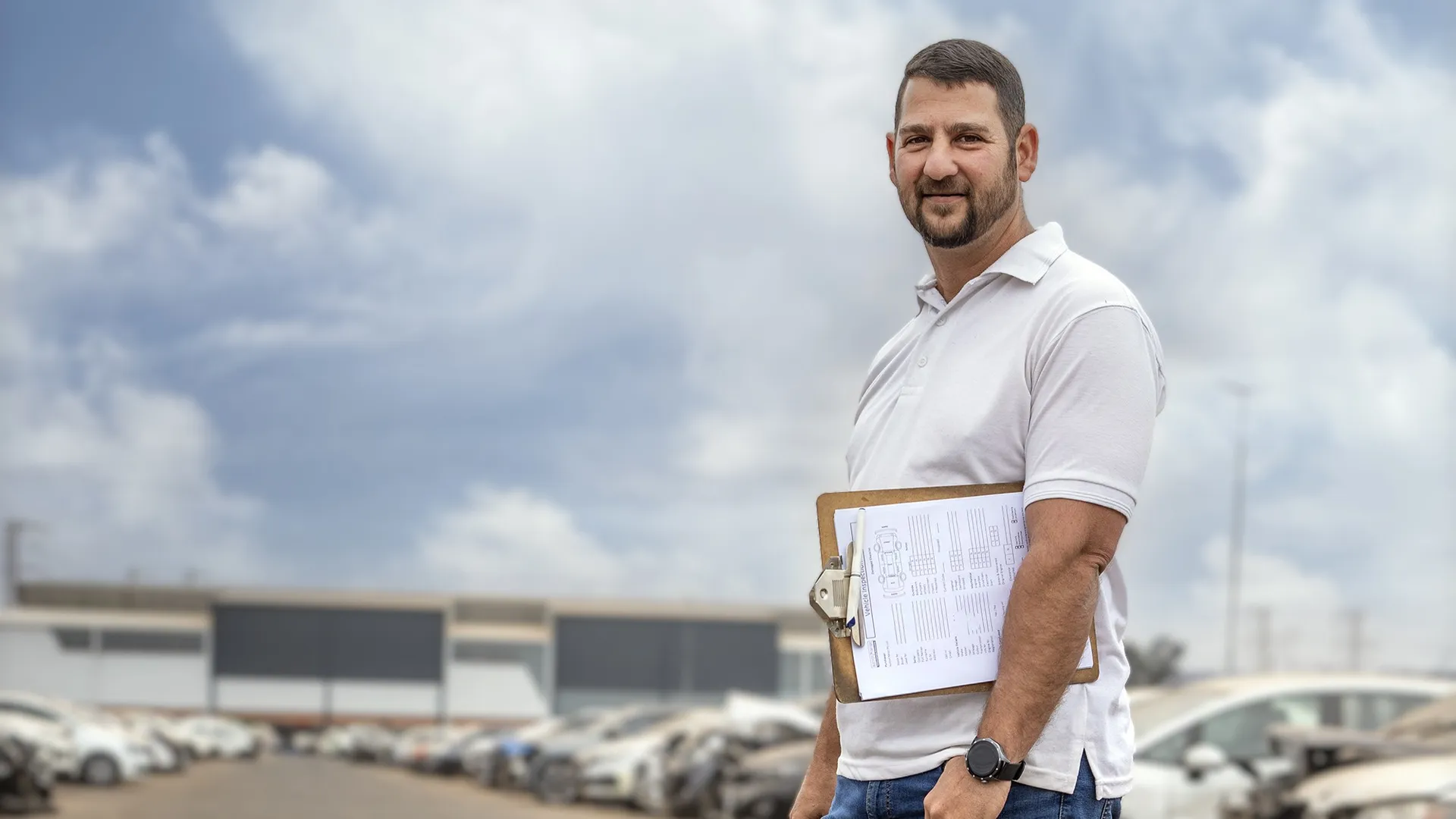
What Drives Valuation
Extent of fire damage, engine/electrics affected and salvage demand determine offers.
Repair vs Sell
If repairs approach market value, selling as salvage is often more practical.
SA Practical Steps
Document damage, check finance status, and use buyers who handle towing and paperwork.
Quick overview
If your bakkie has been affected by fire, a fire-damaged bakkie valuation depends on extent of damage, affected systems (engine, wiring, interior), structural integrity and market demand for parts or salvage. This guide explains common valuation drivers in South Africa and practical examples to help you decide whether to sell or repair.
Overview: how a fire-damaged bakkie valuation is calculated
Valuers and buyers assess a fire-damaged bakkie by checking safety-critical systems (chassis, engine, brakes), electrical and wiring damage, interior and trim loss, and visible corrosion or heat stress. Location matters: salvage demand in Johannesburg, Cape Town and Durban can differ, affecting offers. Valuation normally starts from the undamaged market value and reduces that figure by repair cost estimates, diminished marketability, and salvage demand.
Key valuation factors
- Extent of fire damage (surface scorch vs engine or chassis fire).
- Mechanical and electrical systems affected (wiring harnesses often costly).
- Age, model, and original market value of the bakkie.
- Availability of parts and salvage demand in your region.
- Whether the vehicle is financed, written off by insurance, or deregistered.
When to sell vs repair a fire-damaged bakkie
If repair estimates approach or exceed the bakkie’s pre-incident market value, selling for salvage is often the more pragmatic choice. Repairs that involve structural straightening, full wiring harness replacement or engine rebuilds frequently cost R40,000-R150,000 or more depending on model and labour. For older or high-mileage bakkies, those repair costs can exceed retained value, making a sale a reasonable option.
| Repair scenario | Typical repair cost (estimate, R) | Typical value retained after repair |
|---|---|---|
| Minor interior scorch; no engine/electrics | R5,000 - R20,000 | 70%-90% of undamaged market value |
| Partial wiring/engine components affected | R20,000 - R70,000 | 40%-70% of undamaged market value |
| Severe chassis/engine fire (constructive total) | R70,000 - 150,000+ (often uneconomic) | 10%-40% (salvage/parts value) |
These ranges are illustrative and depend on the bakkie’s make, year, and locality. Buyers such as wreck buyers or rebuilders in major centres may offer more for models with high parts demand. For a tailored assessment, many South African owners start with an online valuation form that asks for photos and damage details; this speeds up the fire-damaged bakkie valuation process.
If you want an overview of our buying process and how offers are determined, review our About / How it works page for more details. For fire-specific scenarios, see our general guidance on Sell Damaged Cars.
How a fire-damaged bakkie valuation process works in practice
A typical valuation begins with clear photos (multiple angles), a description of where the fire started and which systems were affected, and basic vehicle details (make, model, year, mileage). Buyers then consider repair estimates, parts-salvage value and local demand. For non-running or heavily damaged bakkies, many owners use streamlined online forms to get an initial valuation quickly.
Damage types and how they typically affect offers
| Damage type | Typical impact on cash offer | Notes |
|---|---|---|
| Surface/interior scorch | Low to medium reduction | Cosmetic repairs; structural systems intact. |
| Electrical/wiring damage | Medium reduction | Wiring harness replacement costly; diagnostic work required. |
| Engine/fire compartment damage | High reduction | May render vehicle non-running; often classed as salvage. |
| Chassis/structural heat damage | Severe reduction | Structural repairs costly; buyers may offer only parts/scrap value. |
Legal & paperwork considerations in South Africa
After an incident, check whether the vehicle has been reported to your insurer and whether it’s under finance. Insurers may declare a vehicle a write-off; financiers usually need settlement before transfer. Deregistration and transfer processes differ based on insurer and whether the vehicle is being sold as salvage. Many owners prefer a buyer who manages deregistration, paperwork and collection - especially for non-running or heavily damaged bakkies.
Sell Your Damaged Car handles paperwork and nationwide collection; for a deeper look at selling non-running vehicles in South Africa, see our Sell Non-Running Car guidance. Our homepage also outlines service coverage across major metros: Sell Your Damaged Car.
Tips to maximise a fire-damaged bakkie valuation
- Photograph damage clearly: engine bay, underbody, interior and VIN plate.
- Provide honest descriptions of what happened and any repair estimates you have.
- Keep receipts or service history to demonstrate pre-incident condition and maintenance.
- If safe and possible, remove valuable, undamaged parts to sell separately; disclose this to a buyer.
- Confirm finance or insurance status up front; unresolved finance affects offers and transferability.
What happens after collection
Once you accept an offer, a reputable buyer arranges secure collection (often free nationwide towing), completes transfer paperwork and finalises payment. For fire-damaged bakkies classified as salvage, buyers will either repair to legal standards, strip for parts, or sell to specialist rebuilders. Expect final settlement to reflect the condition verified at collection.
Practical example (South Africa)
Example: A 2012 bakkie with engine compartment fire that left the engine seized and wiring destroyed is likely to attract a salvage offer reflecting parts and scrap value rather than repair economics. Repair quotes in this scenario commonly exceed R80,000; buyers then base offers on parts resale and scrapyard demand in Gauteng or Western Cape.
Sources
Seasoned automotive specialists dedicated to helping you turn your damaged or non-running vehicle into cash fast and hassle-free.
Disclaimer: This content is for educational purposes only. Product availability, pricing, and specifications are subject to change. Always verify current details on the retailer's website before making a purchase. We may earn affiliate commissions from qualifying purchases.
Why sell your damaged car to us?

A Division of Auction Nation, the leading expert in selling damaged cars

Best price for your damaged car

Get a cash offer within 24h

We buy damaged cars in any condition

We buy accident- damaged cars still under finance

Free, no obligation offer on your vehicle
How We Calculate Your Damaged Car’s Value
Wondering how we calculate your car’s value? At Sell Your Damaged Car, we look at: Your car’s real condition, its salvage value, and the current market demand. It’s all about honesty, transparency, and fairness — that’s how we determine your offer.
Frequently Asked Questions
Get answers to common questions about Damage Types
Why Choose Sell Your Damaged Car?
Free Towing
Need a tow? We got you
Hassle Free
Get a cash offer within 24h!
Nationwide
Somewhere remote? No problem!
