
Financial Options for Buying Damaged Cars in South Africa - Practical Choices & Risks
Explore cash, auction, bank and owner-finance options for buying damaged cars in South Africa. Practical examples, paperwork tips and estimated cost ranges.
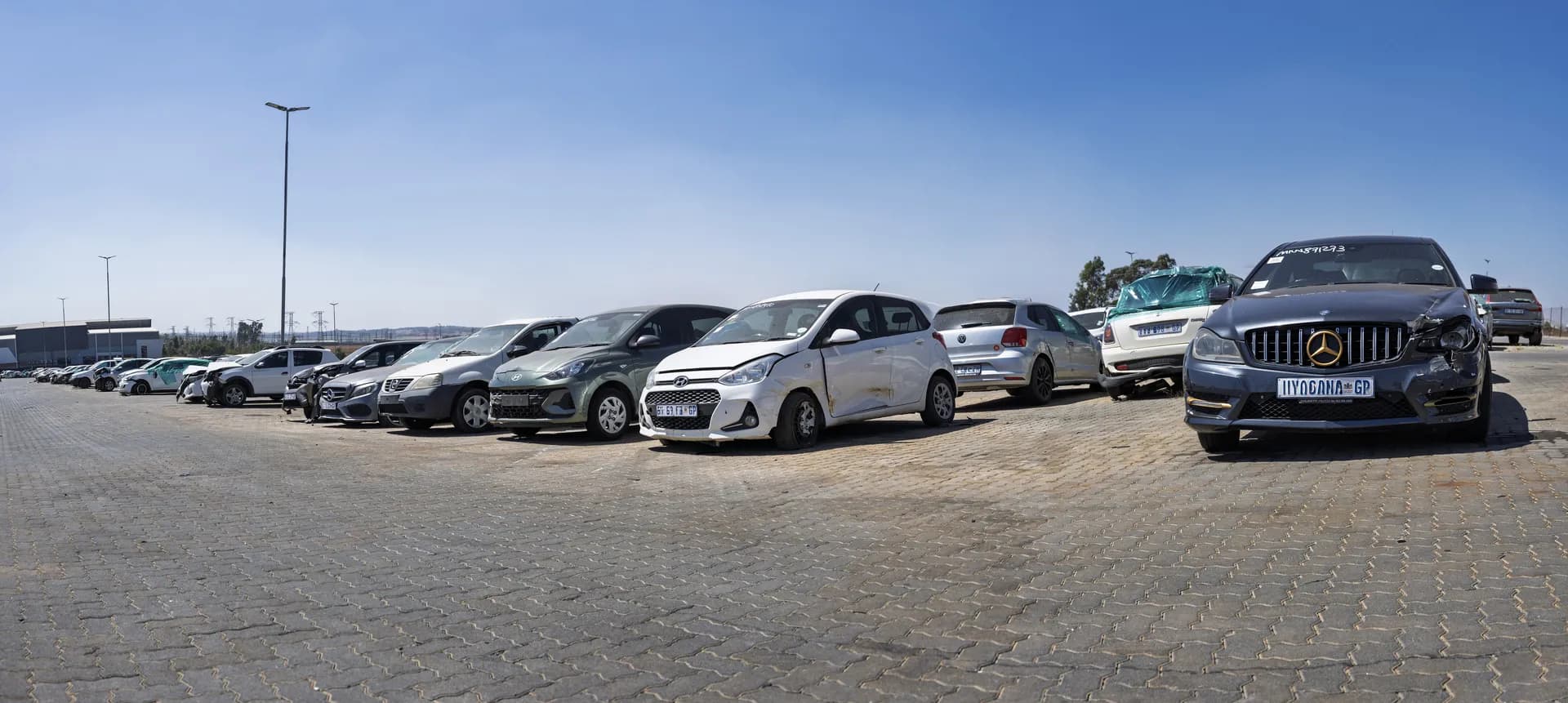
Compare Finance Routes
Cash, auctions, dealer finance and short-term loans each have trade-offs.
Check Legal Status
Always confirm outstanding finance, salvage status and transfer requirements.
Run the Numbers
Total cost = purchase + repairs + finance charges; compare to resale value.
Overview
Purchasing a damaged car can be a cost-effective route for hobbyists, repair shops, or buyers seeking parts. This guide explains common financial options for buying damaged cars in South Africa, including cash purchases, dealer/auction purchases, bank or credit lending, bridging loans and owner-finance arrangements. It highlights key trade-offs - price, paperwork, repair risk and resale potential - and offers South Africa-specific notes on deregistration, vehicles under finance and salvage-market realities.
When to sell vs repair (and what buyers should consider)
Sellers often weigh repair costs against offers; buyers should be clear whether they plan to repair, salvage for parts, or resell. From a buyer perspective, prefer vehicles where the estimated repair cost plus purchase price remains below the expected post-repair market value. For sellers, selling to a specialist may be faster than paying for repairs that exceed value. For examples of vehicles sold as-is, see our Sell Damaged Cars page.
Common buyer profiles
- DIY owners and restorers: cash purchases from private sellers or salvage auctions.
- Repair workshops and rebuilders: often use business credit or short-term loans to fund multiple projects.
- Parts resellers: buy for dismantling - prioritise low purchase price and clear ownership.
How the process works (purchase routes and financing mechanics)
There are several routes to buy damaged cars in SA. Each route has different finance implications, transfer requirements and typical timelines.
1) Cash purchases (private sale)
Quick and simple: buyer pays the seller, then both complete the registration/transfer process. Cash purchases avoid credit checks but require careful verification that the vehicle is not financed or subject to a court order. If buying from a private seller, a short due-diligence checklist helps reduce risk.
2) Auctions and salvage yards
Insurance salvage auctions and physical salvage yards sell written-off vehicles. Buyers often pay upfront and must arrange collection and transport. Auction purchases can be cheaper but are usually sold as seen and may lack full history documentation.
3) Dealer or trade finance
Some dealers offer in-house finance or partnerships with creditor institutions for vehicles that can be repaired and re-sold. Terms depend on the lender’s assessment of the repaired market value and the buyer’s credit profile. For sellers wanting a fast sale rather than repair, our Sell Non-Running Car page explains typical timelines and inclusions.
Note: Always check for outstanding finance. Purchasing a vehicle that is still financed can transfer liability to the buyer in some cases. Ask the seller for a financing clearance or proof of settlement.
Repair cost vs value retained (estimate table)
| Repair cost (R) | Typical value retained after repair (%) | Buyer implication |
|---|---|---|
| R5,000 - R15,000 | 70% - 90% (depending on model) | Suitable for DIY or small workshops; lower finance risk. |
| R15,000 - R60,000 | 50% - 75% | Best for experienced rebuilders or where parts are cheap. |
| R60,000+ | 30% - 60% | High risk for private buyers; consider professional valuation. |
These are approximate ranges for the South African market. Actual retained value depends on make, model, age and repair quality. When comparing financing options, compute total cost (purchase price + repair + finance charges) and compare to expected resale value.
For an overview of how specialist buyers operate and what they include, our About / How it works page outlines typical processes and inclusions.
Damage types vs typical offer impact
| Damage type | Typical buyer concern | Likely impact on offer |
|---|---|---|
| Structural/frame damage | Repair complexity, safety, re-sale cert | Significant reduction; often sold for parts or rebuild |
| Cosmetic & panel damage | Repair cost vs final market appeal | Moderate reduction; viable for repaint/repair |
| Flood / water damage | Electrical risks and corrosion | High reduction; many buyers avoid unless for parts |
| Mechanical failure (non-running) | Engine/transmission cost and availability | Varies widely; lower offers if major components needed |
Legal & paperwork in South Africa
Buying a damaged car in SA requires the same transfer documentation as any other vehicle: a completed registration form (UIF 1 or local equivalent), proof of identity, and a signed vehicle registration certificate (if available). If the vehicle is listed as written-off or has an insurance salvage status, ensure you understand re-titling requirements and whether roadworthiness certificates are needed after repair. Always verify whether a vehicle is financed; the National Credit Act can affect transfer and liability.
Vehicles under finance
If a damaged vehicle still has a finance balance, sellers must settle that debt or provide proof that the finance house has released the vehicle. Buyers should request written confirmation that finance has been cleared. For sellers who prefer a quick as-is sale instead of managing settlement, specialist buyers can handle settlements and collections; see the Sell Your Damaged Car homepage for typical inclusions like towing and paperwork handling.
Tips to maximise your offer (for sellers) and minimise buying risk (for buyers)
- Document condition: clear photos and a written damage list reduce surprises and support transparent pricing.
- Get a provisional repair estimate: use local workshops to understand likely costs (examples above use R ranges).
- Check finance & history: ask for clearance statements and confirm VIN/engine numbers.
- Consider total cost: include towing, storage, rebuild time and finance charges.
What happens after collection
After a sale is agreed, standard next steps are transfer of ownership, collection (often arranged by the buyer), and settlement of any finance. If a specialist buyer collects the car, they typically handle deregistration and paperwork, and arrange for transport. For sellers aiming for a quick exit without repair or towing hassles, specialist services can simplify the process; learn more about operational details on our About / How it works page.
Practical South Africa scenario
Example: A 2010 hatchback listed as non-running is offered at R18,000. A workshop estimates R22,000 to repair major mechanical faults. If a buyer finances the R18,000 over 12 months at an estimated 12% annual rate, finance costs add roughly R1,100-R1,300 in interest (estimate). If the expected resale value after repair is R45,000, the project may be viable for a workshop buyer; for a private buyer without access to cheap labour, the margins may be tight. Always run the numbers before committing.
Sources
Seasoned automotive specialists dedicated to helping you turn your damaged or non-running vehicle into cash fast and hassle-free.
Disclaimer: This content is for educational purposes only. Product availability, pricing, and specifications are subject to change. Always verify current details on the retailer's website before making a purchase. We may earn affiliate commissions from qualifying purchases.
Why sell your damaged car to us?

A Division of Auction Nation, the leading expert in selling damaged cars

Best price for your damaged car

Get a cash offer within 24h

We buy damaged cars in any condition

We buy accident- damaged cars still under finance

Free, no obligation offer on your vehicle
How We Calculate Your Damaged Car’s Value
Wondering how we calculate your car’s value? At Sell Your Damaged Car, we look at: Your car’s real condition, its salvage value, and the current market demand. It’s all about honesty, transparency, and fairness — that’s how we determine your offer.
Frequently Asked Questions
Get answers to common questions about Comparison And Alternatives
Why Choose Sell Your Damaged Car?
Free Towing
Need a tow? We got you
Hassle Free
Get a cash offer within 24h!
Nationwide
Somewhere remote? No problem!
