
Fast Process for Selling Salvage Cars in South Africa - Practical Guide
Learn a fast, practical process for selling salvage cars in South Africa: prepare photos, understand paperwork, compare repair vs sell, and speed up collection and payment.
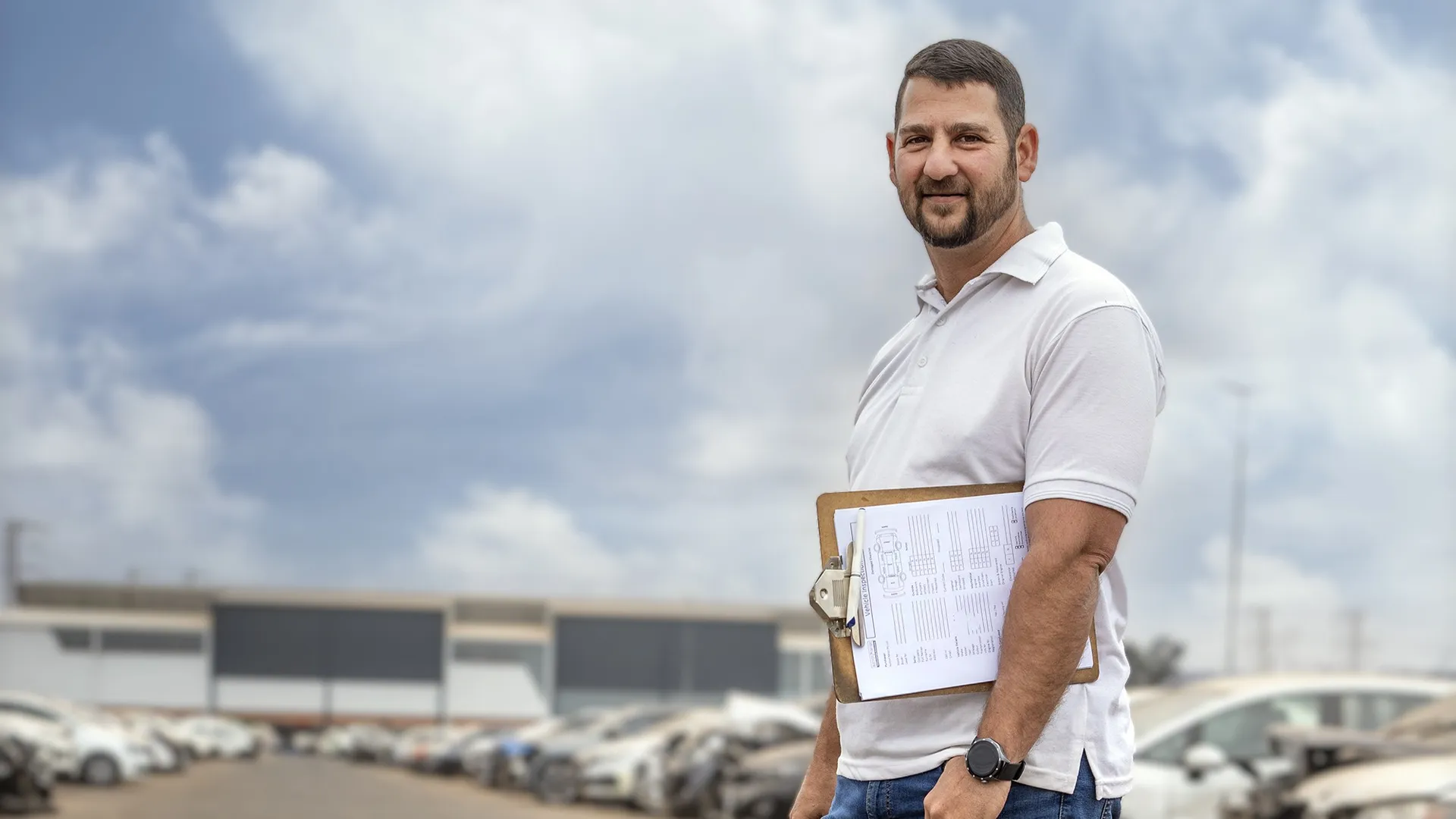
Speed Through Preparation
Clear photos, honest details and paperwork reduce valuation time and speed the sale.
Understand Legal Steps
Deregistration, finance settlement and police dockets affect transfer speed and must be disclosed.
Nationwide Logistics Help
Free nationwide towing and handled admin shorten the process from weeks to days.
Overview: a fast process for selling salvage cars in South Africa
If you own a salvage, written-off or heavily damaged vehicle and need to turn it into cash quickly, understanding the fast process for selling salvage cars in South Africa helps you avoid delays and reduce paperwork. This guide explains when selling is the faster option than repairing, how offers are assessed, and what documentation and clearance steps typically speed up a sale.
Quick note
Selling as salvage is often faster than arranging complex repairs or private sales. Expect valuation to depend on make, year, damage type and salvage market demand.
When to sell vs repair
Deciding whether to repair or sell a salvage car quickly depends on repair cost, the vehicle’s market value before damage, time and risk. Use estimated repair budgets and realistic resale values to compare options.
Repair cost vs value retained
| Scenario | Typical repair cost (est.) | Value retained after repair (est.) |
|---|---|---|
| Minor structural & cosmetic damage | R10,000 - R40,000 | 70% - 90% of pre-accident value |
| Major structural or engine damage | R40,000 - R150,000+ | 30% - 60% of pre-accident value |
| Flood or fire-damaged | Highly variable | Salvage value only; often below 40% |
These ranges are illustrative estimates for South Africa and will vary by model, age and local labour/parts costs. If repair estimates approach or exceed the retained value, selling as salvage is usually quicker and lower risk.
How the fast sale process works
A streamlined sale process for salvage cars focuses on three pillars: rapid valuation, minimal logistics, and handled paperwork. Typical fast-process steps are outlined below with examples relevant to South African owners in Johannesburg, Cape Town and Durban.
Step 1 - Prepare vehicle details
- Gather make, model, year, registration number and odometer reading.
- Take clear photos of exterior, interior and documented damage (close-ups help).
- Have proof of ownership and any accident reports ready.
Step 2 - Online valuation and offer
Many fast buyers use an online form to provide immediate indicative offers based on the supplied details. Providing accurate photos and a clear damage description speeds up a realistic offer.
For an overview of how a specialist service handles valuations and collections, see our About / How it works page for South Africa-specific process details.
Step 3 - Accept offer and arrange collection
A fast process typically includes free towing nationwide and a scheduled pickup from your location. Confirming a convenient time and ensuring keys and documents are available helps avoid delays.
If your vehicle is non-running, see more on selling non-running vehicles for tips on preparing information: Sell Non-Running Car.
Legal and paperwork in South Africa
A fast sale process handles legal steps on your behalf when possible. Key items to understand include transfer of ownership, deregistration when applicable, settlement of outstanding finance, and police dockets if the car was involved in an incident.
Common documentation checklist
- Vehicle registration certificate (or copy) and owner ID.
- Loan/finance settlement letter if the vehicle is under finance - banks must be notified and settled before transfer.
- Police docket or insurance write-off letter if available; these speed verification.
Experienced buyers often assist with deregistration and transfer admin to speed completion. Learn more about selling damaged vehicles and what paperwork buyers typically manage at our Sell Damaged Cars page.
Damage types vs typical offer impact
| Damage type | Typical impact on offers (est.) | Notes |
|---|---|---|
| Surface cosmetic damage | Low to moderate reduction | Easy to repair; parts readily available. |
| Structural/frame damage | Significant reduction | Repair is costly and affects resale trust. |
| Engine/transmission failure | High reduction | Often sold for parts or salvage rebuilds. |
| Flood or fire damage | Severe reduction | Corrosion and electrical issues limit repair options. |
Tips to maximise speed and value in a fast sale
- Provide clear, honest photos and damage descriptions - this reduces time-consuming follow-up questions.
- Disclose outstanding finance early and have lender contact details ready; settling finance avoids transfer delays.
- Gather any supporting documents such as the police docket, insurer assessment or prior repair invoices to speed verification.
- Choose a buyer offering nationwide collection to avoid arranging towing yourself; free towing in South Africa saves both time and cost.
What happens after collection
After the vehicle is collected, a reliable buyer completes transfer paperwork, arranges deregistration where needed and processes payment. For South African sellers, payment timelines are often quick once paperwork is verified; however, if the vehicle is under finance, final payment may depend on lender settlement times.
Example scenario: A Johannesburg owner of a flood-damaged hatchback submits photos and documents, accepts an offer, and schedules a free tow. The buyer handles paperwork and issues payment within a few business days after confirming bank and transfer details. Timings vary but using a streamlined service typically reduces the end-to-end process from weeks to days.
Final considerations and next steps
A fast process for selling salvage cars in South Africa depends on preparation, transparent information and choosing a buyer that handles logistics and paperwork. If you want to understand how national coverage and handled admin work together in practice, review the operational details on our homepage and the about page mentioned earlier.
Sources
- South African Department of Transport - Official site
- Road Traffic Management Corporation (RTMC) - Vehicle registration & transfer guidance
- Automobile Association (AA) South Africa - Advice on accident and salvage vehicles
- South African Police Service (SAPS) - Reporting accidents and obtaining dockets
The figures and timelines given in this guide are estimates for typical South African scenarios. For precise valuations or legal questions, consult the relevant official bodies or a licensed vehicle buyer who operates nationwide.
Seasoned automotive specialists dedicated to helping you turn your damaged or non-running vehicle into cash fast and hassle-free.
Disclaimer: This content is for educational purposes only. Product availability, pricing, and specifications are subject to change. Always verify current details on the retailer's website before making a purchase. We may earn affiliate commissions from qualifying purchases.
Why sell your damaged car to us?

A Division of Auction Nation, the leading expert in selling damaged cars

Best price for your damaged car

Get a cash offer within 24h

We buy damaged cars in any condition

We buy accident- damaged cars still under finance

Free, no obligation offer on your vehicle
How We Calculate Your Damaged Car’s Value
Wondering how we calculate your car’s value? At Sell Your Damaged Car, we look at: Your car’s real condition, its salvage value, and the current market demand. It’s all about honesty, transparency, and fairness — that’s how we determine your offer.
Frequently Asked Questions
Get answers to common questions about Selling Guides
Why Choose Sell Your Damaged Car?
Free Towing
Need a tow? We got you
Hassle Free
Get a cash offer within 24h!
Nationwide
Somewhere remote? No problem!
