
FAQ on Selling Fire-Damaged Vehicles in South Africa - Practical Answers
Answers to common questions about selling fire-damaged cars in South Africa: repair vs sell, paperwork, offers and practical tips for a smooth sale.
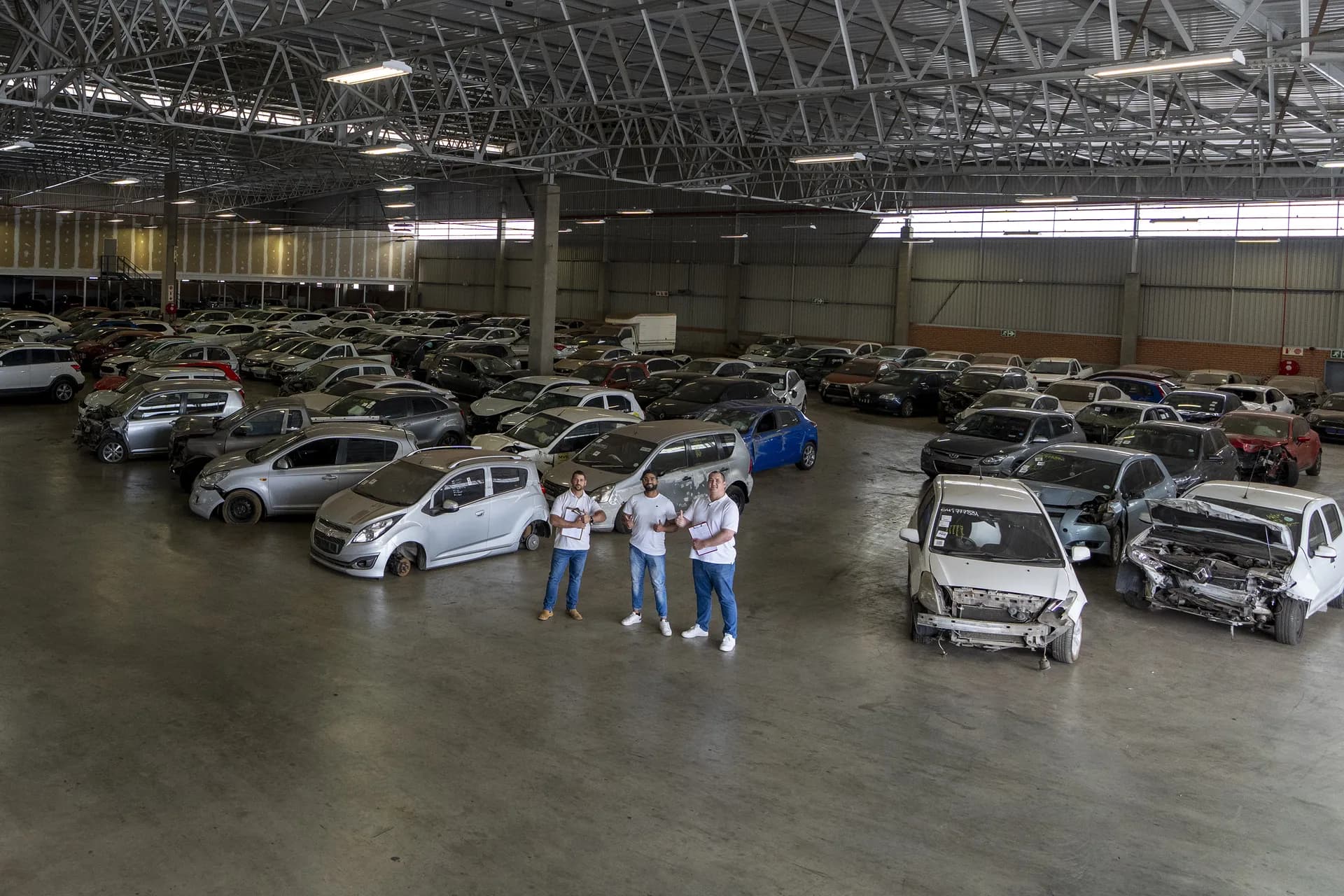
What Buyers Look For
Extent of fire, salvageable parts and paperwork determine offers.
Legal Steps Matter
Financer consent and correct transfer/deregistration are often required.
Simple Prep Boosts Offers
Provide clear photos, service records and honest damage descriptions.
Quick note
This FAQ covers common questions about selling fire-damaged vehicles in South Africa, conservative market expectations (amounts shown as R are illustrative estimates), and the legal steps often required when you accept a cash offer.
Overview: What happens when a car is fire-damaged?
Fire damage can range from surface scorch marks to complete electrical and structural loss. How much a buyer will offer depends on the vehicle's age, model, remaining salvageable parts, and whether the insurer has written the vehicle off. If the vehicle is not insured or you prefer to sell privately, specialised buyers purchase fire-damaged cars for parts, repair for resale in the salvage market, or recycling.
Common FAQs
- Can I sell a fire-damaged car if it’s written off by an insurer? - Yes. Written-off vehicles are commonly sold to salvage buyers. You will need to disclose the write-off status to potential buyers and follow transfer/deregistration procedures if required.
- Do I need to involve my insurer before selling? - Not always. If you’ve already been paid by an insurer, the insurer may hold ownership or require notification. If you haven’t claimed, confirm any policy obligations before selling.
When to sell vs repair
Deciding whether to repair or sell depends on the estimated repair cost versus the car’s post-repair market value and time or risk involved. Fire damage often affects wiring, plastics and structural components; repairs can be costly and may not restore full resale confidence.
| Scenario | Estimated repair cost (R) | Value retained after repair (estimate) |
|---|---|---|
| Superficial interior & paint damage | R5,000 - R20,000 | 70% - 90% of pre-damage value |
| Extensive electrical or engine fire | R20,000 - R100,000+ | 30% - 60% of pre-damage value |
| Total loss / structural compromise | Often uneconomical to repair | Salvage / parts value only |
Estimates above are illustrative for South Africa and will vary by region (Johannesburg, Cape Town, Durban) and specific vehicle. If repair costs approach or exceed a large portion of expected resale value, selling as-is is frequently the practical option.
How the selling process typically works
Specialist buyers follow a simple flow: you provide vehicle details and photos, the buyer issues an offer based on condition and salvage demand, and-if you accept-the buyer arranges collection, handles paperwork and pays you. Many South African services provide free towing and take care of deregistration and transfer admin.
For more details about how specialist buyers operate and what to expect, see our About / How it works page and the Sell Damaged Cars guide for practical next steps.
What buyers assess
- Extent of fire damage (interior, engine, wiring, structural)
- Availability of salvageable parts and market demand
- Vehicle paperwork status (registered, financed, or insurer-owned)
Damage types vs typical offer impact
| Damage type | Typical impact on offers |
|---|---|
| Surface fire / smoke damage | Lower reduction; parts resale possible |
| Engine / wiring fire | Significant reduction due to repair complexity |
| Structural / chassis compromise | Major reduction; often salvage-only |
Legal & paperwork in South Africa
When selling a fire-damaged vehicle in South Africa, you must transfer ownership correctly. If the vehicle is under finance, the financer’s consent is typically required and the outstanding debt may need settling before transfer. If an insurer has declared the vehicle a total loss and assumed ownership after settlement, the insurer may control the sale. Always keep a clear written record of any sale, including a signed change-of-ownership form and ID copies.
Practical steps
- Check whether the vehicle is financed and notify the financer.
- Confirm insurer involvement and whether the insurer holds title after a claim.
- Complete a signed transfer of ownership and, where applicable, deregistration - buyers or brokers often assist.
If you want a practical walkthrough for non-running or heavily damaged vehicles, our Sell Non-Running Car page explains common paperwork steps and what documents to prepare.
Tips to maximise your offer
- Provide clear, recent photos showing all affected areas and any undamaged components.
- Be transparent about the damage and service history; accurate info speeds valuation.
- Gather documentation: registration papers, service records and any insurer correspondence.
- If the vehicle is in a major metro (Johannesburg, Cape Town, Durban), mention accessibility for faster collection - many buyers offer free towing nationwide.
What happens after collection?
After you accept an offer and the vehicle is collected, buyers typically complete transfer paperwork, deregister where relevant, and settle payment. Some buyers pay immediately on collection or shortly after verifying documents. Keep bank details ready and ensure you receive a receipt and a signed statement confirming the sale for your records.
If you’d like an overview of our wider service and how we handle collection and admin across South Africa, see our homepage for service details and territories covered.
Final FAQ highlights
- Is a fire-damaged car worthless? - Not necessarily. Parts, salvage demand and remaining components determine value.
- Will selling be quick? - Specialist buyers frequently offer faster, lower-effort routes than private sale, often including free towing and paperwork assistance.
- Do I need a police report? - If required by insurer or buyer, provide one; otherwise keep documentation that supports the sale.
Sources
Seasoned automotive specialists dedicated to helping you turn your damaged or non-running vehicle into cash fast and hassle-free.
Disclaimer: This content is for educational purposes only. Product availability, pricing, and specifications are subject to change. Always verify current details on the retailer's website before making a purchase. We may earn affiliate commissions from qualifying purchases.
Why sell your damaged car to us?

A Division of Auction Nation, the leading expert in selling damaged cars

Best price for your damaged car

Get a cash offer within 24h

We buy damaged cars in any condition

We buy accident- damaged cars still under finance

Free, no obligation offer on your vehicle
How We Calculate Your Damaged Car’s Value
Wondering how we calculate your car’s value? At Sell Your Damaged Car, we look at: Your car’s real condition, its salvage value, and the current market demand. It’s all about honesty, transparency, and fairness — that’s how we determine your offer.
Frequently Asked Questions
Get answers to common questions about Damage Types
Why Choose Sell Your Damaged Car?
Free Towing
Need a tow? We got you
Hassle Free
Get a cash offer within 24h!
Nationwide
Somewhere remote? No problem!
