
How to Estimate a Burnt Car Salvage Value in South Africa
Learn how professionals estimate the salvage value of a burnt car in South Africa, what affects offers, paperwork to prepare, and practical tips to improve your valuation.
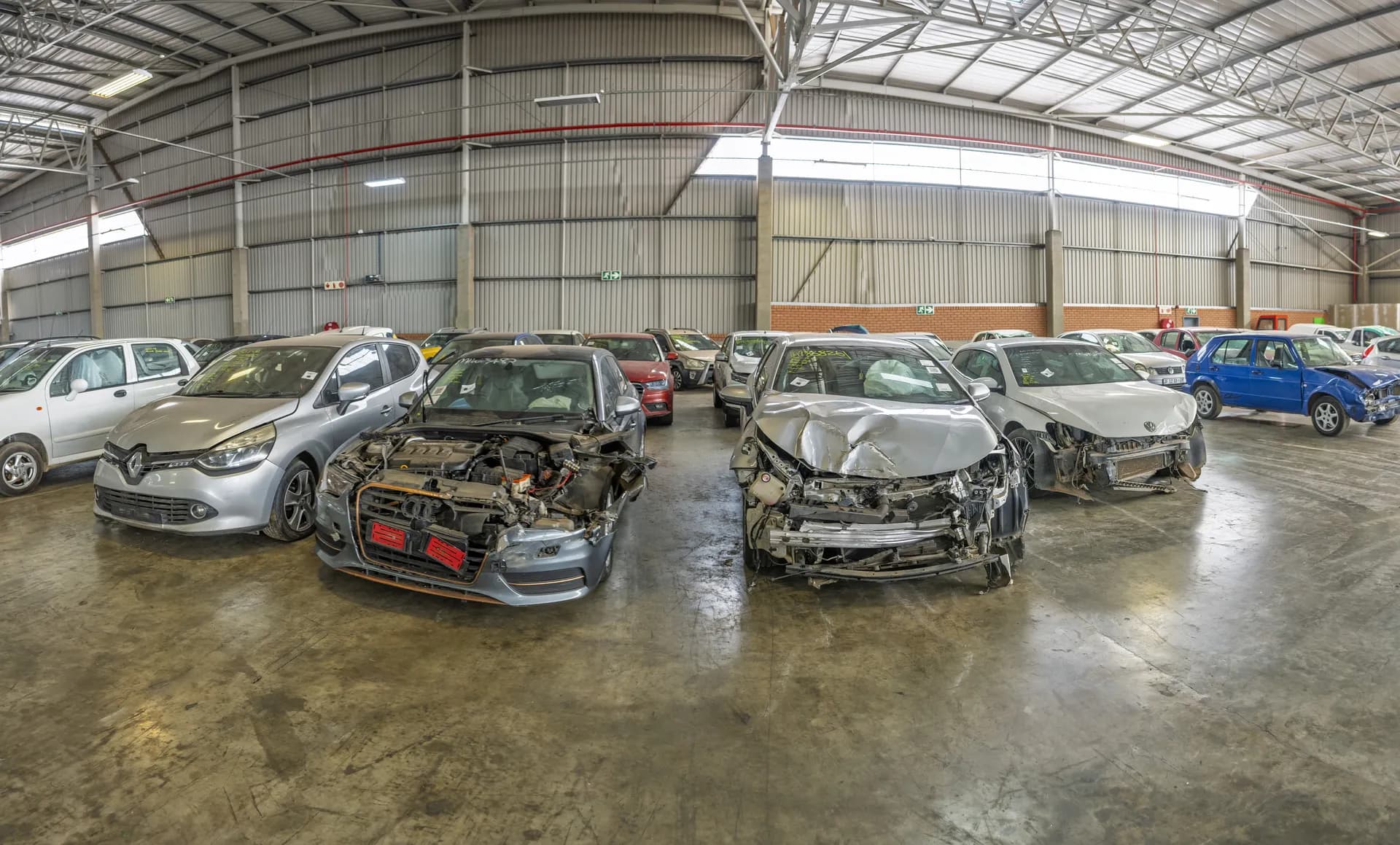
Key Value Drivers
Chassis condition, reusable parts and documentation determine salvage interest.
Help with Paperwork
Deregistration and transfer support can speed up salvage sales.
Regional Market Matters
Demand in Johannesburg, Cape Town and Durban affects salvage pricing.
Overview: What determines a burnt car salvage value
Estimating the salvage value of a burnt car starts with understanding that damage type, chassis integrity, remaining mechanical parts and local market demand all shape the offer. A burnt car’s salvage value is the amount a buyer - dismantler, recycler or specialist salvage purchaser - is willing to pay for usable parts, scrap metal and any recoverable components. In South Africa, regional demand (e.g., Johannesburg, Cape Town, Durban) and access to breakers and recyclers influence what a damaged vehicle will fetch.
Key factors that reduce or preserve value
- Severity and location of fire damage (engine bay, cabin, wiring loom).
- Chassis and structural integrity (twisted or warped frames drastically lower value).
- Availability of reusable components (wheels, gearbox, catalytic converter when intact).
- Evidence of prior repairs or corrosion that make parts less desirable.
- Documentation and clear title - clean paperwork increases buyer confidence.
Note: The phrase salvage value refers to resale or scrap value after a vehicle has been fire-damaged. It is not a replacement cost or repair estimate.
Repair cost vs value retained (simple comparison)
| Scenario | Typical outcome | What sellers should consider |
|---|---|---|
| Minor cabin fire, engine intact | Higher salvage interest for parts; some repair may be feasible | Get a specialist opinion before committing to repairs |
| Severe fire, chassis heat-damaged | Mainly scrap value; limited parts resale | Selling as salvage often recovers more than costly repairs |
| Electrical/wiring fire with otherwise sound body | Parts market interest for mechanical components | Document intact components clearly with photos |
When to sell a burnt car versus attempt repair
Deciding whether to repair or sell a burnt car depends on repair cost estimates, the vehicle’s pre-damage market value, the likelihood of restored safety and roadworthiness, and time or cash constraints. If repair costs approach or exceed the car’s undamaged market value, selling for salvage is often the pragmatic choice. If you’re unsure, a quick valuation from a trusted salvage buyer can clarify options.
Practical South Africa-specific considerations
- Transport and storage: Moving a burnt car from a suburb or township to a repairer can be expensive; free towing options reduce that burden.
- Insurance: If the vehicle is insured and the insurer has declared a total loss, check their settlement terms before pursuing private salvage sale.
- Fleet owners: For small business fleets in Johannesburg, Cape Town or Durban, quick salvage conversion can reduce downtime and administrative load.
For more about the selling process and services that handle damaged vehicles nationwide, read our About & How it works page and visit our homepage for an overview of services in your area: Sell Your Damaged Car.
How the valuation process typically works
A salvage buyer will assess condition, paperwork, location and potential to recover parts. The usual steps are submission of photos and vehicle details, a preliminary estimate, possible inspection, and a formal offer. For sellers in South Africa this process is often completed online by uploading images and descriptions, then arranging collection once an offer is accepted.
Damage types vs typical offer impact
| Damage Type | How it affects salvage interest |
|---|---|
| Superficial fire (interior only) | Higher for parts resale; electrical components less reliable |
| Engine compartment fire | Reduces mechanical value; parts salvage possible if localized |
| Chassis/structural heat damage | Lowest salvage value; often sold for scrap metal |
Legal & paperwork in South Africa
Clear documentation speeds sale and increases confidence with buyers. Essential items include the vehicle registration document, proof of ID for the seller, service records if available, and any insurer correspondence if the vehicle was reported. If the car is under finance, inform the finance house - settlements or consent will be required before ownership transfers. Many salvage purchasers in SA offer assistance with deregistration and transfer paperwork to help finalise the sale.
Tips to maximise your salvage estimate (experience-based)
- Provide clear, timestamped photos of the chassis number, odometer, engine bay and all visible damage.
- List intact components (gearbox, ABS modules, wheels, rims) explicitly - usable parts raise interest.
- Be honest about any prior accidents or mechanical faults; transparency avoids delays at collection.
- Compare multiple salvage buyers and check reviews or testimonials for trust signals.
If you’re ready to move a non-running or badly damaged vehicle, see our dedicated guidance on selling non-running vehicles: Sell Non-Running Car, and specific information about damaged vehicles: Sell Damaged Cars.
What happens after you accept a salvage offer
After acceptance, the usual steps are arranging free collection (where offered), completing transfer paperwork or deregistration, and receiving payment. In South Africa many specialist buyers handle towing and admin - this reduces logistics, especially for sellers outside major metros. Keep copies of all signed documents and bank confirmation for your records.
Final practical notes and common questions
- If your vehicle has insurer interest, coordinate with them first to understand any implications for settlement or salvage rights.
- Cars under finance cannot be legally transferred without lender consent; get a clear settlement figure from the finance house.
- Storage time matters - prolonged exposure after fire can cause further corrosion and reduce salvage interest.
- Always ask for a written breakdown of any offer to understand what components or scrap elements are included.
Sources
Seasoned automotive specialists dedicated to helping you turn your damaged or non-running vehicle into cash fast and hassle-free.
Disclaimer: This content is for educational purposes only. Product availability, pricing, and specifications are subject to change. Always verify current details on the retailer's website before making a purchase. We may earn affiliate commissions from qualifying purchases.
Why sell your damaged car to us?

A Division of Auction Nation, the leading expert in selling damaged cars

Best price for your damaged car

Get a cash offer within 24h

We buy damaged cars in any condition

We buy accident- damaged cars still under finance

Free, no obligation offer on your vehicle
How We Calculate Your Damaged Car’s Value
Wondering how we calculate your car’s value? At Sell Your Damaged Car, we look at: Your car’s real condition, its salvage value, and the current market demand. It’s all about honesty, transparency, and fairness — that’s how we determine your offer.
Frequently Asked Questions
Get answers to common questions about Damage Types
Why Choose Sell Your Damaged Car?
Free Towing
Need a tow? We got you
Hassle Free
Get a cash offer within 24h!
Nationwide
Somewhere remote? No problem!
