
Essential Tips for Selling Cars with Mechanical Faults in South Africa
Practical, South Africa-specific tips for selling cars with mechanical faults: document issues, compare repair vs sell, handle finance and paperwork, and improve offers.
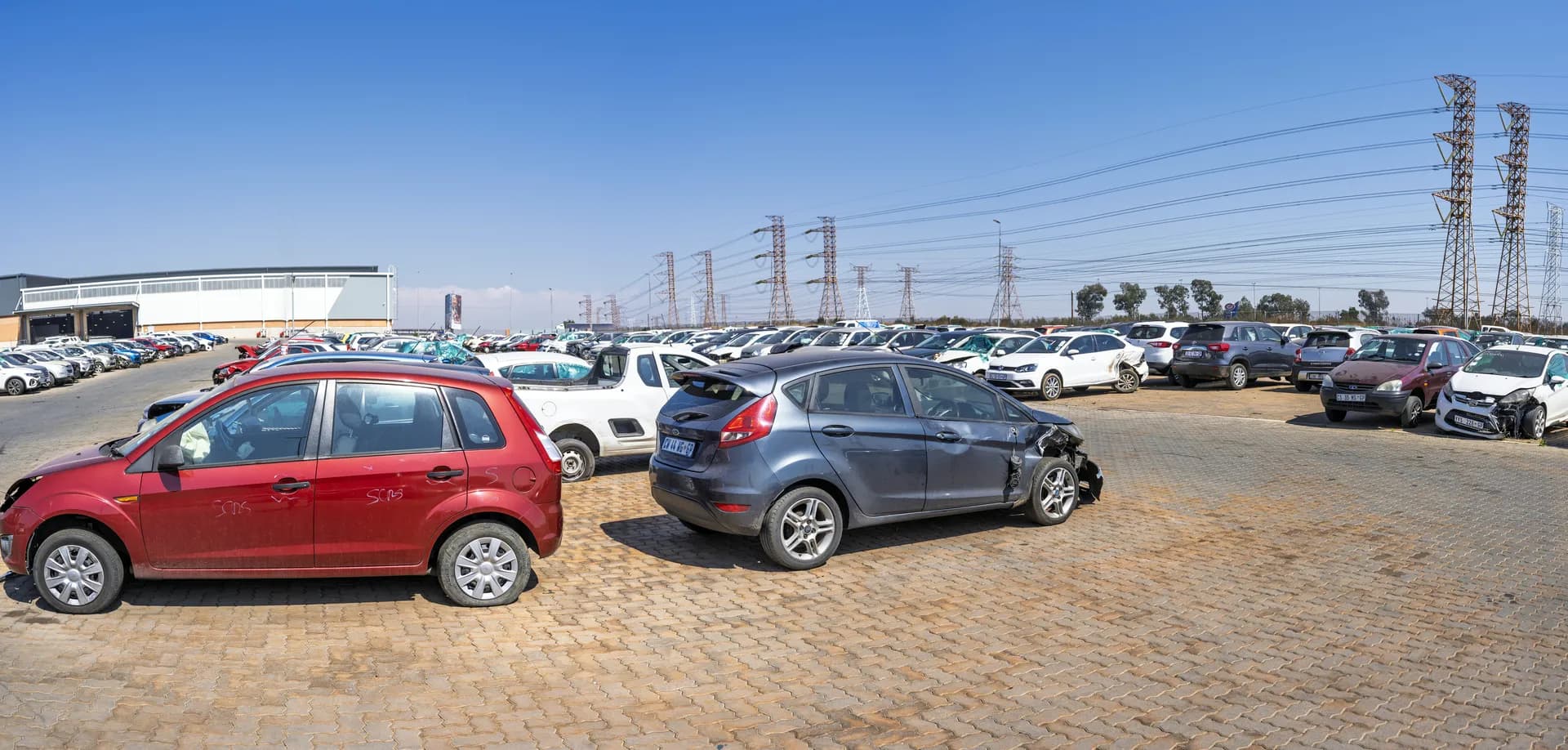
Document the Fault
Clear photos and a short mechanic note improve buyer confidence.
Compare Repair vs Sell
If repair costs approach vehicle value, selling as-is is often wiser.
Use Low-Hassle Services
Free towing and paperwork help speed up sales across South Africa.
Why this guide matters
If your car has mechanical faults, selling can be faster and lower risk than expensive repairs. These essential tips for selling cars with mechanical faults focus on realistic preparation, accurate disclosure, and ways to protect value - with South Africa’s paperwork and marketplace nuances in mind.
Overview: Selling a car with mechanical faults
When a vehicle has engine, transmission or other mechanical issues, buyers and trade purchasers adjust offers to cover repair costs, parts availability and salvage demand. Knowing how offers are formed helps you present the car fairly and increase the chance of a competitive cash offer. These tips apply to private owners and small fleet managers across Johannesburg, Cape Town, Durban and surrounding areas.
Key steps at a glance
- Assess and document the fault clearly.
- Estimate repair cost vs likely offer to decide whether to sell or repair.
- Be transparent in listings and when speaking to buyers to build trust.
- Use services that handle towing and paperwork to reduce hassle and delay.
Repair cost vs value retained (example ranges)
| Repair type | Estimated South Africa cost (R, typical range) | Typical value retained after repair |
|---|---|---|
| Minor engine tune / sensors | R2,000 - R8,000 | Moderate increase; may improve private-sale price |
| Major engine repair / overhaul | R15,000 - R60,000+ | Often exceeds value on older vehicles; selling may be better |
| Transmission work | R10,000 - R45,000 | High cost may not be recovered unless the vehicle is high-value |
When to sell vs repair
Deciding whether to repair a mechanically faulty car or sell it as-is depends on vehicle age, kilometres, repair estimate and resale demand. As a rule of thumb: if repair costs exceed a substantial portion of the vehicle’s market value, selling is often the more pragmatic option. Use multiple quotes for repairs and compare them to credible market valuations.
Practical indicators to sell now
- Repair estimates are high relative to the car’s current market value.
- You need cash or space quickly (common for fleet turnover).
- Parts are scarce or costly for your model in South Africa.
- You prefer a low-effort option that includes towing and admin handling.
If you decide to sell, consider services that buy vehicles in any condition and include free collection and paperwork handling. For an overview of how a specialist buyer operates, see our How it works page for process details and common inclusions.
How the process works when selling a faulty car
A straightforward online sale typically follows these steps: document condition, submit details and photos, receive an obligation-free offer, accept and arrange collection with free towing, complete paperwork and receive payment. Using a dedicated buyer turns a time-consuming private sale into a streamlined transaction.
If your car is non-running, check the Sell Non-Running Car resource for tips specific to stationary vehicles.
Legal & paperwork in South Africa
When selling any vehicle in South Africa, confirm ownership, settle any finance, and correctly complete transfer or deregistration documents. If a vehicle is still under finance, the account must be settled or the lender must provide clearance - failing to address finance can delay or invalidate a sale. Specialist buyers often assist with deregistration and transfer admin to reduce risk and time.
Quick practical note
Always get a written receipt and a clear transfer or deregistration record. If using a buyer who offers free towing and admin, verify what documents they will prepare and what you must supply.
Tips to maximise your offer
- Honest, clear photos: engine bay, odometer, fault indicators and any visible damage.
- Provide recent service records or receipts where available - proof of maintenance helps value.
- Get a short written diagnostic or quote from a trusted mechanic to explain the fault clearly.
- Remove personal items and gather ID, vehicle registration and any service history before collection.
- If you’re in a metro, use nationwide buyers who offer free collection to avoid towing costs.
Damage types vs typical offer impact
| Mechanical issue | Typical impact on offers |
|---|---|
| Minor electrical / sensor faults | Smaller reduction; often repairable at low cost |
| Major engine or transmission failure | Significant reduction; considered salvage or parts value |
| Intermittent faults (hard to diagnose) | Higher uncertainty reduces offers; clear diagnostic notes help |
What happens after collection
After the vehicle is collected, the buyer will typically complete paperwork (transfer or deregistration) and process payment. Verify the payment method and wait for confirmation before handing over keys and documents. If you used a service that handles admin, request copies of the completed transfer/deregistration forms and a receipt for your records.
To learn more about selling damaged vehicles and how offers are calculated for cars with mechanical faults, our Sell Damaged Cars page explains common valuation factors and examples. For full company services including free towing and fast payment, review the homepage.
Practical examples and common scenarios
Example 1 (private owner, Johannesburg): A 2010 sedan with intermittent overheating receives a local mechanic estimate of R12,000 for head-gasket related work. The owner compares repair cost to market value, documents the issue with photos and a mechanic note, then requests offers from specialist buyers that include towing from Johannesburg. The transparent documentation led to a more competitive cash offer than an undisclosed fault would have.
Example 2 (small fleet manager, Durban area): A fleet vehicle with a seized transmission is unlikely to be cost-effective to repair. Selling as-is to a buyer who handles deregistration and collection saved time and administrative effort for the fleet operator, allowing faster replacement budgeting.
Sources
- South African Government - Vehicle registration guidance
- National Credit Regulator - information on vehicle finance and clearance
- AutoTrader South Africa - market listings and used car trends
- South African Police Service - guidance on reporting vehicle theft and documentation (relevant to transfers)
Seasoned automotive specialists dedicated to helping you turn your damaged or non-running vehicle into cash fast and hassle-free.
Disclaimer: This content is for educational purposes only. Product availability, pricing, and specifications are subject to change. Always verify current details on the retailer's website before making a purchase. We may earn affiliate commissions from qualifying purchases.
Why sell your damaged car to us?

A Division of Auction Nation, the leading expert in selling damaged cars

Best price for your damaged car

Get a cash offer within 24h

We buy damaged cars in any condition

We buy accident- damaged cars still under finance

Free, no obligation offer on your vehicle
How We Calculate Your Damaged Car’s Value
Wondering how we calculate your car’s value? At Sell Your Damaged Car, we look at: Your car’s real condition, its salvage value, and the current market demand. It’s all about honesty, transparency, and fairness — that’s how we determine your offer.
Frequently Asked Questions
Get answers to common questions about Tips And Advice
Why Choose Sell Your Damaged Car?
Free Towing
Need a tow? We got you
Hassle Free
Get a cash offer within 24h!
Nationwide
Somewhere remote? No problem!
