
Engine and Gearbox Salvage Value 2025: What South African Owners Should Know
Learn how engine and gearbox salvage values are set in 2025, what affects prices in South Africa, and practical steps to maximise return when selling damaged vehicles.
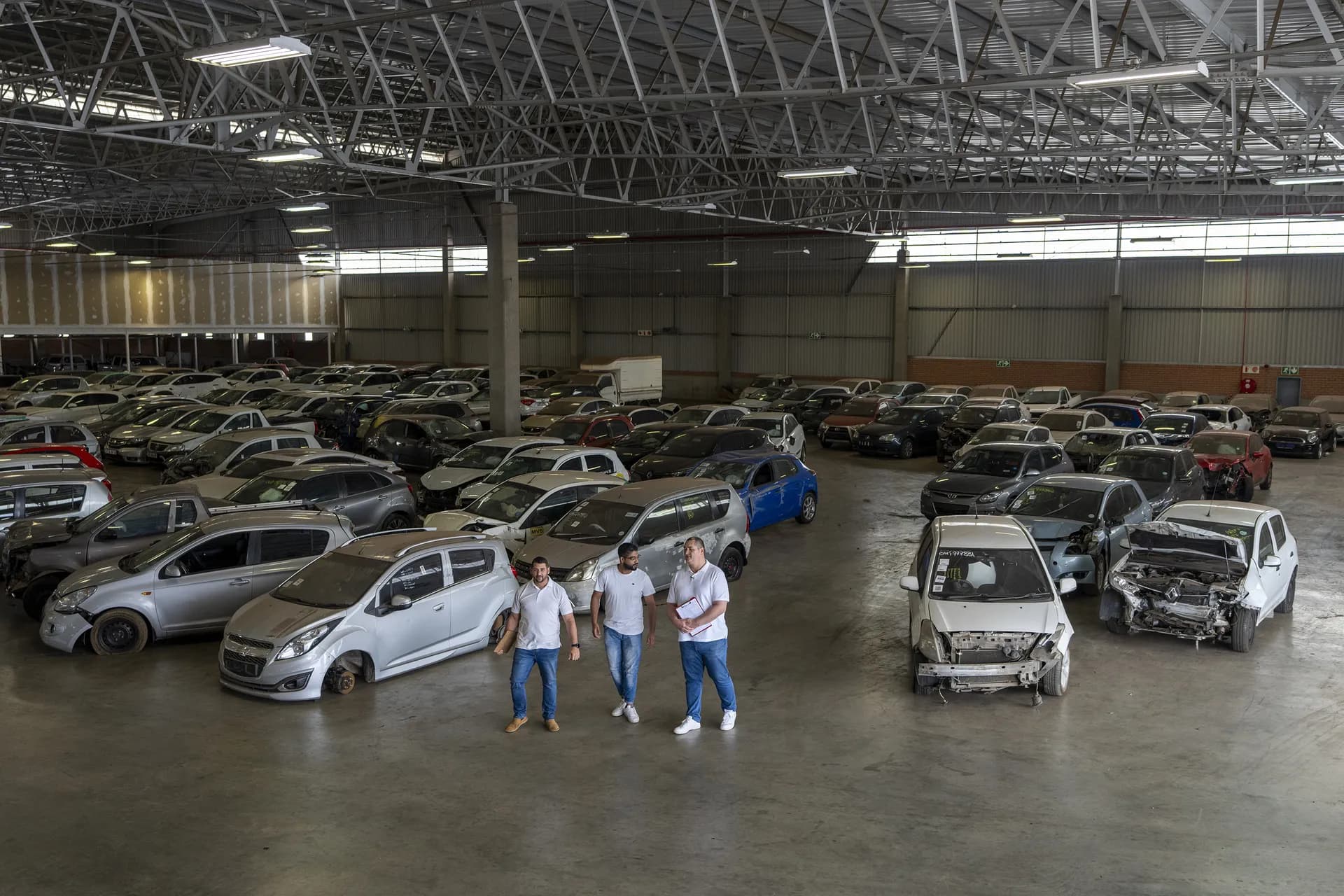
What Drives Salvage Value
Condition, demand, serials and local market trends determine engine and gearbox worth.
Repair vs Part-Out Trade-offs
Parting out can earn more but requires time; selling whole is faster and simpler.
SA-Specific Considerations
Local demand, scrap prices and paperwork affect values-use services offering free towing and admin.
Overview: engine and gearbox salvage value in 2025
The term engine and gearbox salvage value describes the resale or parts value of the engine and gearbox when a vehicle is damaged, written off or dismantled. In 2025 these values are driven by parts demand, vehicle age, mileage, condition after damage, and local market trends in South Africa. This guide explains how salvage value is calculated, the main market drivers for engines and gearboxes, and practical considerations for owners in Johannesburg, Cape Town, Durban and other regions.
Key factors that determine salvage value
- Component condition: internal damage, contamination (e.g., from flood), and wear affect price.
- Make, model and engine type: common, sought-after units hold value better than rare or obsolete engines.
- Mileage and service history: lower mileage and documented maintenance can increase salvage worth.
- Market demand for parts: higher local demand for spares lifts salvage values.
- Scrap metal prices and exchange rates: these set a lower-bound value in South Africa.
How salvage buyers vs dismantlers value engines and gearboxes
Professional dismantlers and salvage buyers appraise engines and gearboxes differently. Dismantlers often price individual reusable parts (head, block, gearbox casing, internals) and offer more for complete, easily extractable units. Salvage buyers may quote based on likely resale channels (local fitment, export, or core exchange programmes). Understanding these perspectives helps you set realistic expectations when you submit vehicle details to a buyer or list parts for sale.
Repair cost vs resale value: a quick comparison table
| Scenario | Typical repair cost (R) - estimate | Value retained after repair (%) - estimate |
|---|---|---|
| Minor engine repair (timing, sensors) | R8,000 - R25,000 | 60 - 85% |
| Major engine rebuild (head/gasket, bearings) | R20,000 - R60,000+ | 50 - 75% |
| Gearbox overhaul (manual) | R10,000 - R40,000 | 55 - 80% |
| Gearbox replacement (automatic) | R25,000 - R90,000+ | 40 - 70% |
Note: the figures above are illustrative estimates for South Africa in 2025 and depend on vehicle specifics; they are not offers. Labour rates, parts availability and local demand can shift actual costs significantly.
Damage types and typical impact on engine & gearbox salvage
| Damage type | Typical impact on salvage value |
|---|---|
| Collision (crushed engine bay) | High risk of internal damage; value often reduced unless core is intact. |
| Flood / water ingress | Severe reduction if water reached internals or electronics; buyers may only pay scrap or parts after inspection. |
| Fire / overheating | Heat damage to internals/electronics usually causes major devaluation. |
| Mechanical failure (seized, worn) | Condition-dependent - some components salvageable; whole-unit value varies widely. |
If you want to evaluate a non-running or damaged vehicle, our online valuation accepts photos and details so buyers can better estimate engine and gearbox salvage potential. For examples of how we buy damaged vehicles and what the process looks like, see the How it works page.
Practical tip: when documenting the vehicle for a salvage enquiry, include clear photos of the engine bay, gearbox tag/serial numbers and any visible fluid contamination. These details often influence initial salvage estimates.
For owners considering repair versus selling for parts, see our guidance on selling damaged and non-running cars to compare routes: Sell Damaged Cars and Sell Non-Running Car.
When to part out an engine or gearbox vs sell the whole vehicle
Deciding whether to dismantle and sell components or sell the vehicle intact depends on logistics, demand, and cost. Parting out can return more combined value for high-demand components but requires time, storage, tools and buyers. Selling the vehicle whole is faster and avoids handling and listing many parts; professional salvage buyers or dismantlers handle extraction and distribution.
Checklist before you list engine or gearbox for salvage
- Record engine and gearbox serial numbers and take multiple clear photos.
- Note whether fluids are contaminated (e.g., oil in coolant) - disclose this to buyers.
- Provide known service history or recent repairs where available.
- Confirm if the vehicle is under finance; settled clearance may be required before sale.
- Get multiple valuations - dismantlers, salvage yards and online buyers differ.
How South Africa-specific factors affect 2025 salvage values
Local demand for used engines and gearboxes is shaped by the prevalence of older vehicles, cross-border trade with neighbouring countries, and parts-import costs. In 2025, fluctuations in scrap metal prices and global supply-chain improvements for new parts can shift salvage pricing. Free nationwide towing and paperwork assistance (including deregistration) reduce seller friction - services that handle these tasks can make selling a damaged vehicle quicker and lower risk for private owners and small fleet operators across Cape Town, Durban and Johannesburg.
Tips to maximise salvage value for engines and gearboxes
- Provide accurate, detailed photos and serial numbers - transparent listings attract better buyers.
- Keep cores intact where possible; fully dismantled items may fetch less for casual buyers but more for part-by-part demand.
- Compare offers from dismantlers, scrap yards and specialist buyers - different channels value components differently.
- Use reputable services that offer free towing and handle paperwork to reduce hidden costs and legal risk; see our national service overview at the homepage.
What happens after you accept a salvage sale
Once you accept an offer, professional buyers typically schedule collection, inspect components to confirm condition, complete paperwork (including deregistration where applicable) and release payment. If the vehicle is still under finance, you should disclose this; clearance from the finance provider may be required before transfer of ownership. Using a buyer experienced with South African paperwork speeds up the process and reduces administrative risk.
If you want direct guidance tailored to a specific engine or gearbox, upload the vehicle details and photos for an assessment - this helps estimate salvage potential more accurately than generic tables.
Sources
- National Regulator for Compulsory Specifications - vehicle component standards and recalls
- Statistics South Africa - automotive sector and trade data
- Research on spare-part markets in sub-Saharan Africa (academic overview)
Disclaimer: Values and ranges in this article are estimates for guidance in the South African context in 2025 and do not constitute an offer. Actual salvage prices vary by condition, demand and inspection outcomes. For specific valuations, consider submitting your vehicle's details and photos to a specialist buyer who can assess engine and gearbox condition directly.
Seasoned automotive specialists dedicated to helping you turn your damaged or non-running vehicle into cash fast and hassle-free.
Disclaimer: This content is for educational purposes only. Product availability, pricing, and specifications are subject to change. Always verify current details on the retailer's website before making a purchase. We may earn affiliate commissions from qualifying purchases.
Why sell your damaged car to us?

A Division of Auction Nation, the leading expert in selling damaged cars

Best price for your damaged car

Get a cash offer within 24h

We buy damaged cars in any condition

We buy accident- damaged cars still under finance

Free, no obligation offer on your vehicle
How We Calculate Your Damaged Car’s Value
Wondering how we calculate your car’s value? At Sell Your Damaged Car, we look at: Your car’s real condition, its salvage value, and the current market demand. It’s all about honesty, transparency, and fairness — that’s how we determine your offer.
Frequently Asked Questions
Get answers to common questions about Comparison And Alternatives
Why Choose Sell Your Damaged Car?
Free Towing
Need a tow? We got you
Hassle Free
Get a cash offer within 24h!
Nationwide
Somewhere remote? No problem!
