
Earn from Referring Salvage Car Sellers in South Africa
Learn how to earn referral fees by connecting accident-damaged, non-running or written-off vehicles with reputable buyers in South Africa, including practical steps and legal considerations.
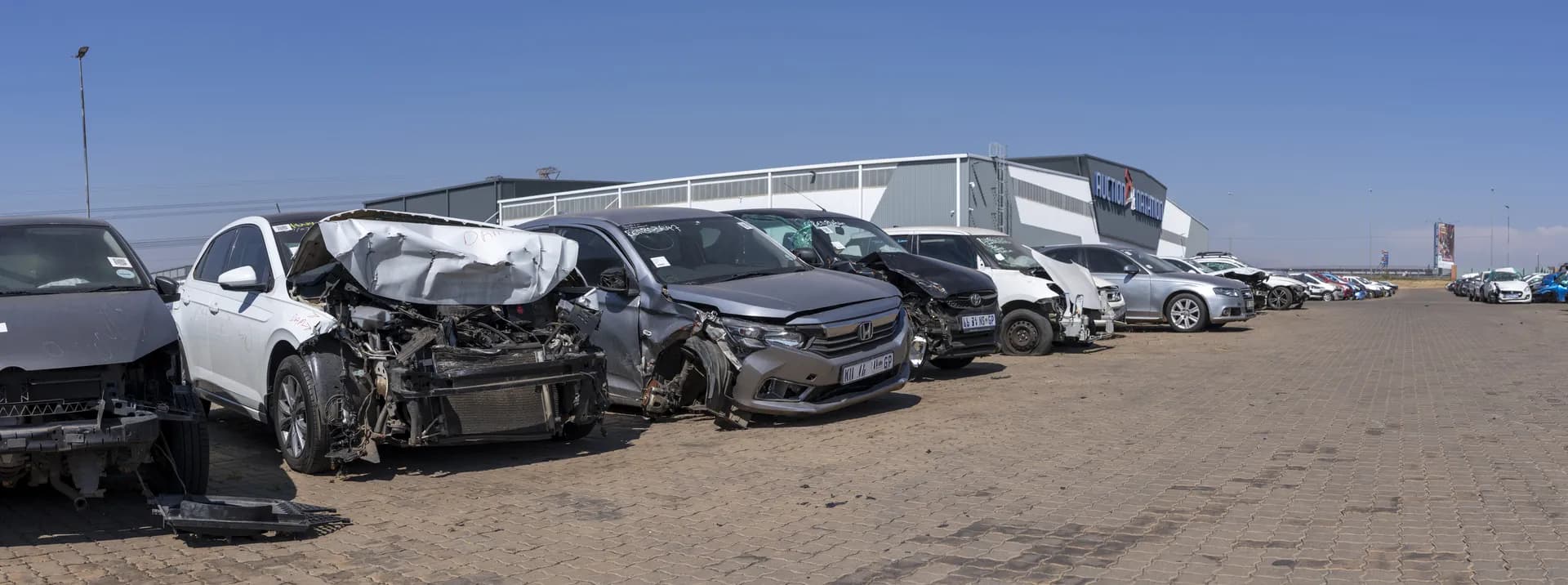
Overview: How referral earnings work for salvage car sellers
If you know vehicle owners with accident-damaged, flood-affected, fire-damaged or non-running cars, you can earn referral fees by connecting them with buyers who specialise in salvage and written-off vehicles. This guide explains typical referral models, how to find reputable partners in South Africa, and practical steps to maximise earnings while protecting both parties.
Common referral models
- Fixed-fee referral: a set amount paid when the sale completes.
- Commission percentage: a share of the final sale or offer value (negotiated in advance).
- Tiered incentives: higher rewards for supplying multiple or high-value vehicles.
Referral arrangements should be agreed in writing, with clear conditions for payment (e.g., when the buyer pays, when paperwork is complete, or after collection). In South Africa, it is common for buyers of salvage vehicles to pay referral fees once the vehicle is collected and payment to the seller is verified.
When you should refer vs. handle a sale yourself
Decide based on time, risk and expertise. If the owner wants a quick, low-effort outcome and you have a reliable buyer contact, referring can be quicker and provides passive income. If you prefer full control and local private-sale potential (more time and risk), handling the sale yourself may yield more-but also requires managing viewings, towing and paperwork.
Quick decision checklist
- Owner needs cash quickly: consider referral.
- Vehicle is in remote area: referral to nationwide buyers with free towing helps.
- Vehicle under finance: refer to a buyer experienced with settlement and deregistration.
Tip: Work with buyer partners who handle free towing, paperwork and deregistration-this reduces delays and protects your referral payment timeline.
How the referral process typically works
A straightforward referral workflow improves conversion and trust. Typical steps are:
- Introduce the vehicle owner to the buyer (phone, email, or a tracked referral link).
- Owner submits vehicle details and photos to the buyer's valuation system.
- Buyer issues an offer; owner accepts or negotiates.
- Buyer arranges free towing and completes paperwork, including deregistration if applicable.
- Buyer pays the owner; buyer then releases the agreed referral fee to you per the contract.
Ensure the buyer confirms payment terms for referral fees up front-do they pay on collection, upon cleared funds, or after registration tasks are complete?
Repair cost vs value retained (example estimates for SA)
| Situation | Typical repair cost (R) | Likely market value after repair (R) |
|---|---|---|
| Front-end accident (moderate) | R15,000-R50,000 | R50,000-R120,000 |
| Engine/major mechanical failure | R25,000-R80,000 | R30,000-R100,000 |
| Flood or fire damage | Varies widely | Often classified as salvage |
Note: These figures are illustrative ranges for South Africa and depend on vehicle age, make, model and parts availability. Use them only for initial assessment; buyers and repairers will provide formal estimates.
Damage types vs typical offer impact
| Damage Type | Typical impact on offers |
|---|---|
| Cosmetic bodywork | Small to moderate reduction |
| Structural/frame damage | Significant reduction; often written-off |
| Engine or gearbox failure | Major reduction; value depends on repair feasibility |
| Flood or fire | Often classed as salvage; lower offers due to high repair risk |
Legal and paperwork considerations in South Africa
Referral partners should be able to explain how they handle transfer paperwork, deregistration and vehicles under finance. As a referrer, encourage sellers to disclose finance and to have documents ready (service books, ID, vehicle registration papers). Buyers who manage deregistration reduce friction and speed up payment.
- Ensure the buyer provides a documented process for handling vehicles under finance.
- Confirm who pays clearing or settlement fees; clarify this before referring.
- Keep a written record of the referral agreement (email or signed document).
Practical tips to maximise your referral earnings
- Vet buyer reliability: check reviews, payment history and whether they offer free towing nationwide (Cape Town, Johannesburg, Durban and surrounding areas).
- Use tracked referrals: email threads or unique links help confirm the lead source when payment is due.
- Agree payment triggers: whether referral fee is released on collection, cleared funds or after paperwork completion.
- Keep owners informed: transparency builds trust and prevents disputes that can delay payment.
- Avoid exclusivity unless terms are favourable-non-exclusive referrals increase lead flow.
Sample referral agreement checklist
- Names of referrer, vehicle owner and buyer
- Referral fee amount or percentage and payment trigger
- Lead tracking method and required documentation
- Timeline for payment and dispute resolution process
What happens after collection
Buyers typically complete the administrative steps: confirm vehicle condition, collect the car using free towing, settle any finance with the lender where necessary, and complete transfer/deregistration. The referral fee should be paid according to the agreed trigger-commonly after the buyer has paid the vehicle owner and cleared funds are visible.
If a dispute arises, rely on your written agreement and communication records. Work with established buyers who provide clear invoices and receipts to avoid delays.
Example South Africa scenario
You refer a Johannesburg owner with a non-running SUV. The buyer issues an offer, collects the vehicle from a nearby yard with free towing, handles deregistration, and pays the owner R25,000. Per your agreement, the buyer pays you a fixed R1,500 referral fee after funds clear. All steps are recorded in email and the buyer transfers the referral fee within 5 business days.
Sources
Seasoned automotive specialists dedicated to helping you turn your damaged or non-running vehicle into cash fast and hassle-free.
Disclaimer: This content is for educational purposes only. Product availability, pricing, and specifications are subject to change. Always verify current details on the retailer's website before making a purchase. We may earn affiliate commissions from qualifying purchases.
Why sell your damaged car to us?

A Division of Auction Nation, the leading expert in selling damaged cars

Best price for your damaged car

Get a cash offer within 24h

We buy damaged cars in any condition

We buy accident- damaged cars still under finance

Free, no obligation offer on your vehicle
How We Calculate Your Damaged Car’s Value
Wondering how we calculate your car’s value? At Sell Your Damaged Car, we look at: Your car’s real condition, its salvage value, and the current market demand. It’s all about honesty, transparency, and fairness — that’s how we determine your offer.
Frequently Asked Questions
Get answers to common questions about Tips And Advice
Why Choose Sell Your Damaged Car?
Free Towing
Need a tow? We got you
Hassle Free
Get a cash offer within 24h!
Nationwide
Somewhere remote? No problem!
