
Loading your content...
Loading your content...
Learn what drives salvage car prices in Durban, how to decide between repair or selling, and practical steps to get a competitive cash offer with free towing and paperwork support.
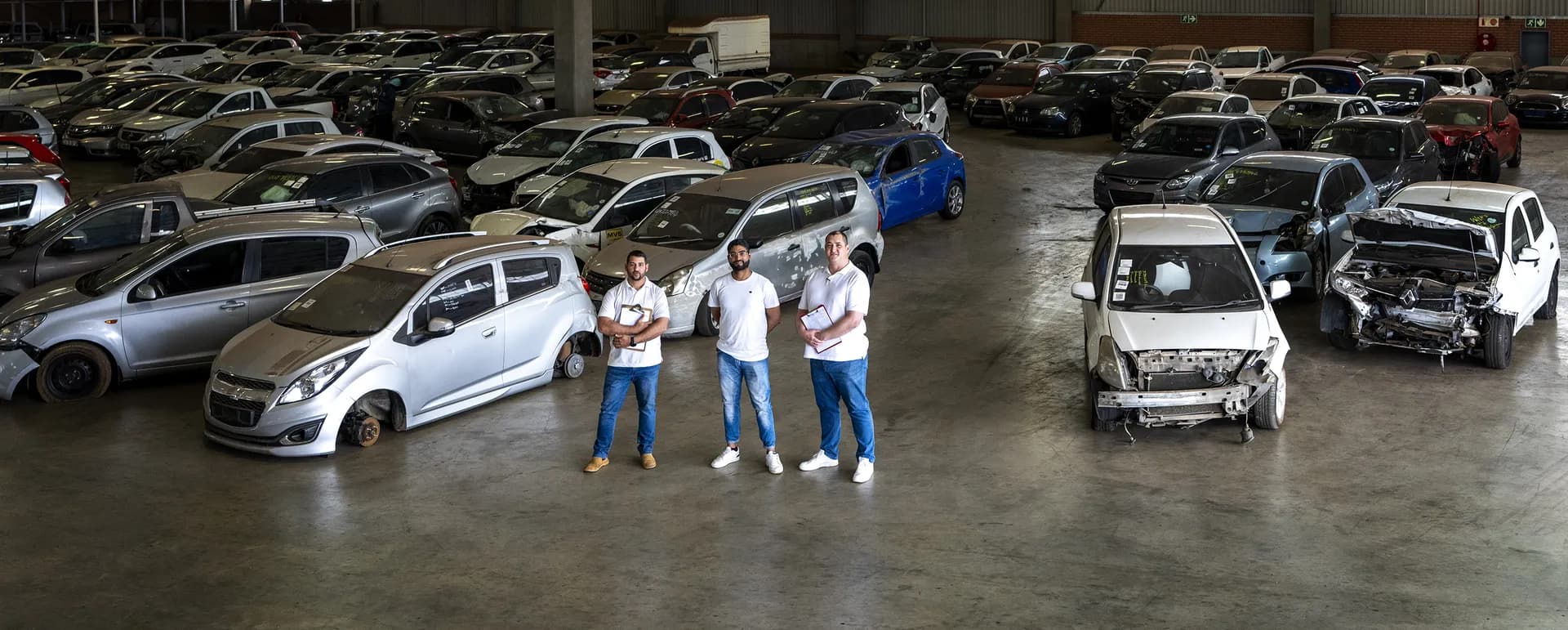
Age, damage type, parts demand and paperwork shape offers in Durban.
Compare repair estimates, downtime and likely retained value before deciding.
Clear documentation and accessible collection help secure better offers.
If you own a written-off, accident-damaged, flood-affected or non-running vehicle in Durban, you likely want to know typical salvage values and what influences offers. Durban salvage car prices are set by a mix of vehicle age, make and model, the type and extent of damage, local demand for parts, and transport/logistics costs from Durban to dismantlers or export hubs. This guide explains those factors, outlines when selling may be better than repairing, and walks through the paperwork and post-sale steps specific to South Africa.
Salvage market values vary widely. Rather than fixed figures, expect offers that reflect condition, salvageable components and current parts demand. The examples below use R to indicate South African currency and are illustrative estimates only - actual offers depend on inspection and market conditions.
| Scenario | Typical repair cost (estimate) | Value retained after repair (estimate) |
|---|---|---|
| Minor cosmetic damage | R5,000-R20,000 | 80-95% of pre-damage market value |
| Moderate structural or mechanical repairs | R20,000-R70,000 | 50-80% of pre-damage market value |
| Severe engine, flood or write-off | R70,000+ | Below 50% of pre-damage market value |
| Damage Type | Typical impact on salvage offers |
|---|---|
| Cosmetic (bumpers, panels) | Small reduction if mechanicals intact |
| Structural/frame damage | Significant reduction; affects resale and parts value |
| Engine/transmission failure | Major reduction unless high parts demand exists |
| Flood or fire damage | Often treated as total loss; parts value depends on extent and corrosion |
Local context: Durban is a major port and industrial hub, which can increase demand for intact mechanical components. However, transport and logistics to inland dismantlers also factor into offers. When you compare options, include collection and admin handling in your assessment.
For more detail on the types of vehicles we buy and how condition affects offers, see the Sell Damaged Cars page and our How it works overview for sellers in Durban.
Deciding whether to repair or sell for salvage depends on repair estimates, remaining market value, safety considerations and time. Private owners and small fleets in Durban should compare local repair quotes against the likely salvage offer, factoring in downtime, towing and the risk of hidden faults after repair. If repairs approach or exceed the car’s remaining market value, salvage or selling to a specialist is often the practical choice.
A transparent process helps Durban sellers get competitive offers without unexpected costs. Typical steps include: you upload vehicle details and photos; we return an indicative valuation based on condition; you accept or decline the offer; we organise paperwork and free towing from Durban or surrounding suburbs; and payment and deregistration follow after collection. For guidance on non-running vehicles, our Sell Non-Running Car page explains common scenarios and documentation needs.
Paperwork matters in every transaction. Sellers must disclose accurately, settle or disclose any outstanding finance, and complete the necessary transfer and deregistration steps. In many cases a specialist buyer will assist with deregistration and the transfer process to make the sale straightforward. If the vehicle is under finance, inform the financer early - a payout or settlement may be required before transfer can be finalised.
After collection, the buyer completes transfer paperwork and deregistration steps as applicable. Salvage vehicles are typically dismantled for parts, repaired by accredited workshops for resale with correct declarations, or exported to markets where demand exists. Sellers should expect documentation confirming collection and payment; keep copies for your records and any follow-up with insurers or financiers.
In Durban and the greater eThekwini area, proximity to ports can make certain components more valuable for export, while strong local demand for spares can support competitive offers for intact gearboxes, engines and body panels. Small-business fleet managers may prefer rapid collection and consolidated paperwork across multiple units to reduce downtime.
Learn more about our nationwide service and the simple online valuation process on the Sell Your Damaged Car homepage. For sellers who want a deeper walkthrough of the company’s approach and trust signals, the About / How it works page describes the paperwork, towing and payment steps we handle.
Seasoned automotive specialists dedicated to helping you turn your damaged or non-running vehicle into cash fast and hassle-free.
Disclaimer: This content is for educational purposes only. Product availability, pricing, and specifications are subject to change. Always verify current details on the retailer's website before making a purchase. We may earn affiliate commissions from qualifying purchases.





Wondering how we calculate your car’s value? At Sell Your Damaged Car, we look at: Your car’s real condition, its salvage value, and the current market demand. It’s all about honesty, transparency, and fairness — that’s how we determine your offer.
Get answers to common questions about LOCATIONS
Need a tow? We got you
Get a cash offer within 24h!
Somewhere remote? No problem!