
Documents Needed to Sell a Non-Running Car in SA - Complete Checklist
Complete South Africa checklist of documents needed to sell a non-running car, including finance, company and written-off vehicle guidance and practical tips.
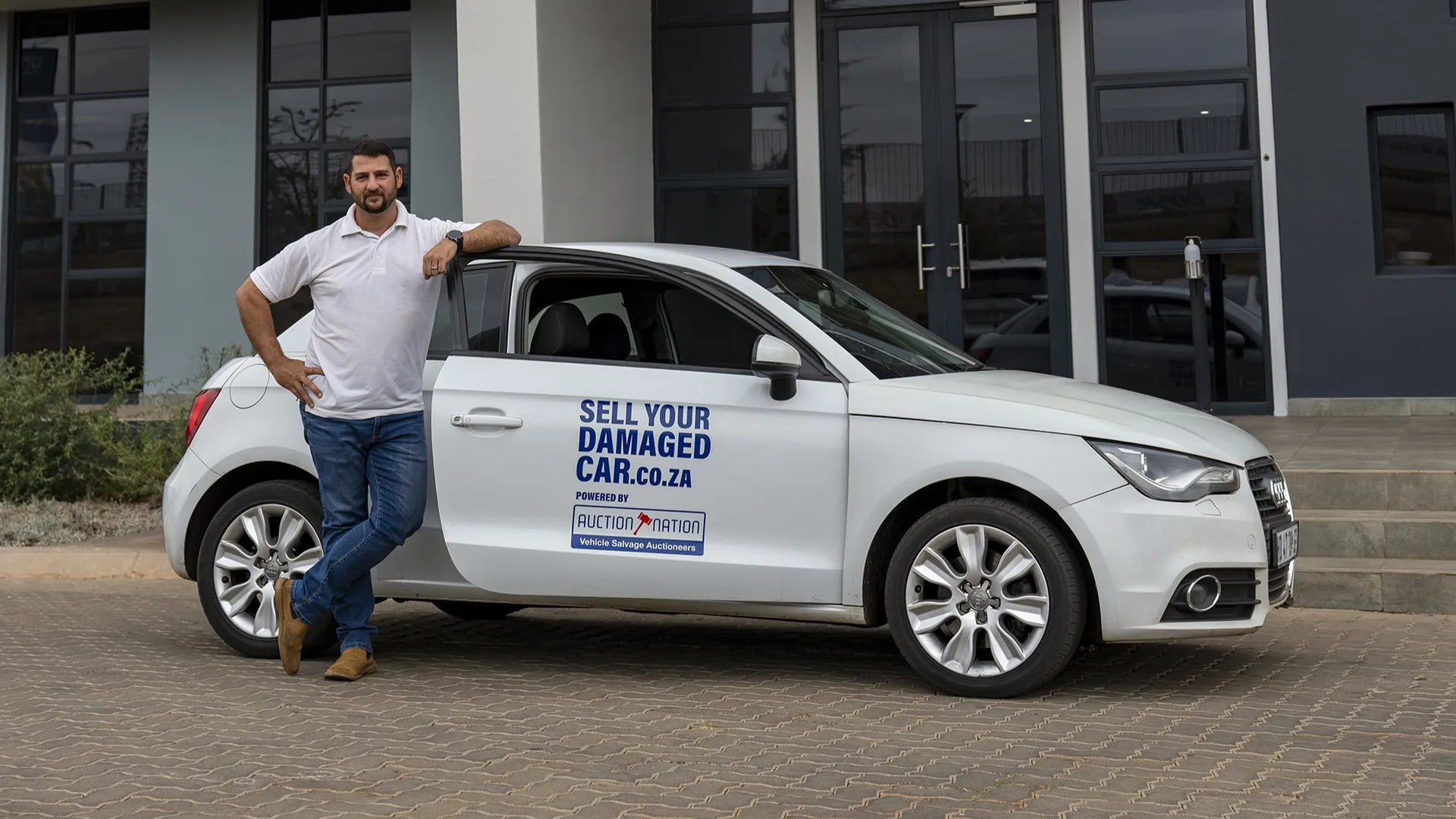
Essential Paperwork
Logbook, seller ID and any finance documents speed up the sale.
Special Cases
Prepare insurer reports, company authority or finance settlement letters if applicable.
Nationwide Assistance
Buyers can handle deregistration, free towing and transfer admin across SA.
Overview: Documents needed to sell a non-running car in SA
If you’re preparing to sell a non-running vehicle in South Africa, having the right paperwork makes the sale faster, reduces delays and helps secure a transparent cash offer. This guide lists the common documents needed to sell a non-running car in SA, explains special cases (vehicles under finance, company-owned vehicles, written-off cars) and shows how a buyer like Sell Your Damaged Car can help with deregistration and collection.
Key documents most buyers will request
- Vehicle registration document / logbook (proof of registration)
- Certified copy of seller ID (South African ID book or smart ID card)
- Proof of ownership or authority to sell (company resolution or power of attorney for non-owner sellers)
- Service or maintenance records (if available; supports condition claims)
- Set of keys and any immobiliser codes or remote fobs
Not all non-running car sales are identical. In many cases, the vehicle registration document (logbook) plus a seller ID are sufficient to start a valuation. If you don’t have the logbook, a buyer may accept alternative proof of ownership but expect extra checks and possible delays.
Special-case documents to prepare
- Vehicles under finance: settlement letter or clearance statement from the lender showing the outstanding balance
- Company vehicles: company registration documents (CK/COI), a letter of authority and ID of the authorised signatory
- Written-off or insurer-assessed vehicles: insurer claim documents, loss report or salvage declaration
- Stolen or recovered vehicles: police case number and release documentation (if applicable)
Practical note: If paperwork is incomplete, a reputable buyer will outline what’s missing and the steps they can take. For example, Sell Your Damaged Car often assists with deregistration and paperwork handling after a sale; see the About / How it works page for process details.
When to get certified copies or affidavits
Many buyers accept clear photocopies of ID and the logbook, but certain transfers (especially when original logbook is missing or the seller is abroad) require sworn affidavits or certified copies. If you suspect there might be any dispute over ownership, obtain a sworn affidavit from a commissioner of oaths and keep copies of all communications.
Why the buyer asks for documentation
Documentation proves legal ownership, confirms who can sign transfer forms and helps the buyer calculate a fair offer. For non-running cars the paperwork also clarifies whether the vehicle is insured, written off, or subject to a finance claim - all factors that affect transfer and payout timing.
Useful links for next steps
Start the online valuation and upload documents on the Sell Your Damaged Car homepage, or read practical guidance on selling a non-running vehicle on our Sell Non-Running Car page.
Repair cost vs value retained (table)
| Repair estimate (R) | Typical value retained after repair | When selling non-running may be better |
|---|---|---|
| R5,000 - R15,000 | Minor uplift; often recovers 70-90% of spend (estimate) | If repair time/cost > short-term budget or vehicle is old |
| R15,000 - R50,000 | Partial uplift; depends on vehicle age and market demand | Often better to sell if vehicle is over 8-10 years old |
| R50,000+ | Higher uplift possible on late-model cars; still depends on value-to-cost ratio | Repair may be viable for high-value models; otherwise selling is simpler |
Notes: figures are illustrative South Africa estimates. Actual repair costs and retained value vary by make, model, year and local salvage demand.
When to sell versus repair a non-running car
Deciding whether to repair or sell depends on repair cost, vehicle market value, your cash flow and how quickly you need a resolution. If estimated repairs exceed a large portion of the vehicle's market value or if the car has multiple issues, selling the non-running car is often the faster, lower-risk option. Sellers in Johannesburg, Cape Town and Durban frequently choose sale when repair timelines and towing logistics become burdensome.
Damage types vs typical offer impact
| Damage type | Typical impact on offers | Documentation to support valuation |
|---|---|---|
| Mechanical failure (engine/gearbox) | Significant reduction; offers reflect salvageable parts and core market demand | Service history, fault codes, diagnostic reports |
| Accident/written-off | Offers reflect structural damage level and repair complexity | Insurer report, repair estimates, structural assessment |
| Flood or fire damage | Often large depreciation due to hidden issues; specialised buyers preferred | Insurer loss report, photographs, engine/electrical assessment |
How the sale and transfer process works (practical steps)
- Gather the documents needed to sell a non-running car in SA (logbook, ID, keys, finance paperwork).
- Upload details and photos to an online buyer - for example use the Sell Damaged Cars page to start the valuation process.
- Receive an offer based on condition and paperwork; ask for clarification on any deductions.
- If accepted, arrange collection - reputable buyers provide free towing nationwide and handle paperwork and deregistration.
- Complete transfer sign-off: seller and buyer sign the required transfer forms; payment is released and verified.
Vehicles under finance - what you need to know
If the vehicle is still financed, the lender generally retains a security interest. The buyer will require a settlement figure from the finance house before transfer. In many sales of non-running cars in South Africa the buyer can coordinate with the finance company to settle and release the bond, but expect additional administration and possible delays until the lender confirms settlement.
Tips to maximise your offer when selling a non-running car
- Provide clear photos of the vehicle (interior, exterior, VIN/chassis, engine bay) and upload them with the valuation form.
- Assemble any maintenance receipts or service history - documented history increases buyer confidence.
- Disclose known issues honestly to avoid later disputes and delays in payment.
- If you lack the logbook, be transparent and ask the buyer what alternatives they accept; some buyers help source replacements.
What happens after collection and legal notes for South Africa
After the vehicle is collected, the buyer typically handles transfer forms and deregistration where applicable. In South Africa, transferring ownership requires signed documentation from both seller and buyer; reputable buyers will confirm when the transfer is lodged and provide proof of payment. If you sold a vehicle that was under finance, keep the lender’s clearance record for your files. For more on how Sell Your Damaged Car handles collection and admin see the About / How it works page.
Keep copies of all signed transfer documents and the payment receipt. These protect you if there are any follow-up queries from the registrar or finance house. If you need help uploading paperwork or confirming document requirements, the buyer’s customer service should guide you through South Africa-specific steps, including deregistration assistance and free towing arrangements to collection points in Johannesburg, Cape Town, Durban and other areas.
Sources
Seasoned automotive specialists dedicated to helping you turn your damaged or non-running vehicle into cash fast and hassle-free.
Disclaimer: This content is for educational purposes only. Product availability, pricing, and specifications are subject to change. Always verify current details on the retailer's website before making a purchase. We may earn affiliate commissions from qualifying purchases.
Why sell your damaged car to us?

A Division of Auction Nation, the leading expert in selling damaged cars

Best price for your damaged car

Get a cash offer within 24h

We buy damaged cars in any condition

We buy accident- damaged cars still under finance

Free, no obligation offer on your vehicle
How We Calculate Your Damaged Car’s Value
Wondering how we calculate your car’s value? At Sell Your Damaged Car, we look at: Your car’s real condition, its salvage value, and the current market demand. It’s all about honesty, transparency, and fairness — that’s how we determine your offer.
Frequently Asked Questions
Get answers to common questions about Legal And Paperwork
Why Choose Sell Your Damaged Car?
Free Towing
Need a tow? We got you
Hassle Free
Get a cash offer within 24h!
Nationwide
Somewhere remote? No problem!
