
Documents Needed to Sell a Damaged Car in South Africa - Complete Checklist
Find the complete list of documents required to sell a damaged, non-running or written-off car in South Africa, plus tips for vehicles under finance and insurer write-offs.
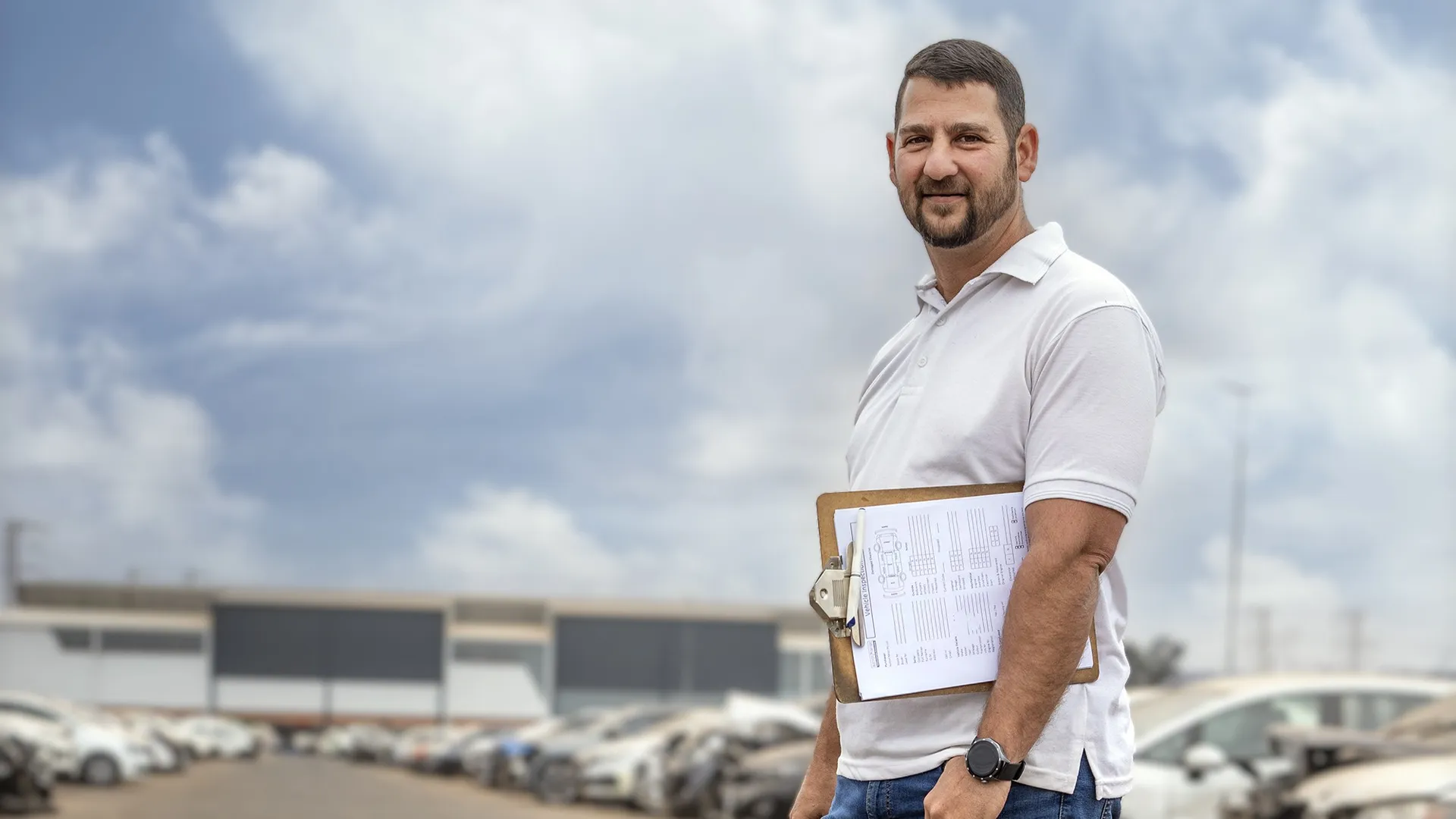
Essential Documents
Logbook, ID, photos, bank details and insurer paperwork speed the sale.
Finance & Insurer Issues
Obtain settlement figures or insurer letters before transfer.
Prepare to Avoid Delays
Scan docs, match names, and provide keys and service history.
Overview: Why the right documents matter when selling a damaged car
When you sell a damaged car in South Africa, buyers and agents need clear proof of ownership, the vehicle's status with insurers and financiers, and correct identity documents. Having the right paperwork ready reduces delays, helps avoid disputes, and speeds up deregistration and payment. This guide lists the typical documents you will be asked for and explains special circumstances such as vehicles under finance, insurer write-offs and estates.
Core documents every seller should have
- Vehicle registration document / logbook or licence papers (proof of registered owner).
- Copy of the registered owner’s ID or valid passport (clear, certified copy may be requested for transfers).
- Vehicle key(s) and any spare sets (practical but often requested).
- Clear photos of the vehicle, showing chassis/VIN plate and obvious damage (upload-ready to speed online offers).
- Proof of banking details for receiving payment (written bank confirmation or bank-stamped letter is commonly required).
Note: If you are using a broker or specialist buyer, a quick online valuation usually requests the same documents as the first step - having them ready saves time during offer assessment.
Insurer & accident-related documentation
If the vehicle has been involved in an insured incident, gather any insurer correspondence that confirms the vehicle's status. This may include a claim reference, an insurer's valuation or a written-off confirmation letter. Buyers will need this to verify whether the vehicle is still tied to an insurance settlement or carries a salvage/written-off flag on national systems.
When the vehicle is under finance
Vehicles still under finance require extra steps. You will usually need a settlement figure or written consent from the financier before ownership can be transferred. Contact the finance company early to request the exact payout amount and the procedure for settling the account on sale. If you are unsure, check protections and obligations with the National Credit Regulator.
Special situations and supporting documents
- If selling on behalf of someone else: a signed letter of authorisation and certified copies of both parties’ ID documents.
- If the registered owner is deceased: a death certificate and executor documentation (letters of executorship).
- If the vehicle was reported stolen or involved in a criminal matter: a valid police case number and any official clearance documents.
- If the vehicle’s VIN/chassis plate is damaged or missing: photographic evidence plus any previous service records that confirm identity details.
For step-by-step details about our paperwork handling and collection service, see our About / How it works page. If your car does not run, review the specific guidance on selling non-running vehicles at Sell Non-Running Car.
| Repair cost (estimate) | Typical retained value vs pre-damage (estimate) | When selling may be preferable |
|---|---|---|
| Minor (R5,000-R20,000) | 70-90% (estimate) | If repair still leaves vehicle reliable and compliant |
| Moderate (R20,000-R60,000) | 40-70% (estimate) | Often worth selling if repair cost approaches resale value |
| Severe (>R60,000) | Below 40% (estimate) | Sale to a specialist or salvage market usually better |
Figures above are illustrative ranges for South Africa and will vary by make, model, year and local salvage demand. They are estimates only, not offers.
When to prioritise certain documents - practical examples
Example 1: You have a written-off car with an insurer letter. Provide the insurer’s settlement letter, the vehicle logbook and your ID to confirm you can transfer the vehicle. Example 2: Your car is under finance - obtain a payoff figure from your financier and bring a settlement instruction or a clearance letter so the buyer can verify there are no liens. Example 3: Selling from an estate - supply the death certificate and letters of executorship; without these transferable ownership cannot be completed.
Damage types vs typical offer impact
| Damage type | Typical impact on offer | Documents to highlight |
|---|---|---|
| Cosmetic / minor repairs | Low-medium impact | Photos, service history |
| Structural / frame damage | High impact | Accident/insurer reports, VIN photos |
| Mechanical failure / engine issues | Medium-high impact | Service history, diagnostic reports |
| Flood or fire damage | Very high impact | Insurer letters, photos, claim refs |
How the paperwork typically gets handled when you sell to a specialist
Specialist buyers often streamline transfer and deregistration. Their team will ask for the documents above, confirm identity and ownership, and handle the administrative forms required by provincial traffic departments. If you want an overview of our collection and admin steps, see our homepage and the Sell Damaged Cars guidance for specifics.
Tips to prepare documents and avoid delays
- Scan or photograph all documents clearly and keep digital copies ready for upload.
- Confirm that the name on the vehicle papers matches your ID; correct mismatches before transfer.
- If the vehicle is financed, get a written settlement figure and expected release date from the financier.
- Provide both keys and any service history to help buyers verify condition quickly.
What happens after you hand over documents
Once documents are verified, the buyer arranges collection and completes transfer or deregistration steps. For many specialist buyers in South Africa the process includes free towing, handling transfer paperwork, and arranging payment - but always confirm what the buyer will manage and what they require from you in writing before collection.
Sources
- South African Government - Vehicle registration services
- Road Traffic Management Corporation (RTMC)
- National Credit Regulator - guidance on credit agreements and settlements
Sources and links are provided for further reading and reflect South Africa-specific processes. If you have unusual documentation questions (for estates, foreign owners or damaged identity plates), ask the buyer or your provincial traffic department for exact requirements.
Seasoned automotive specialists dedicated to helping you turn your damaged or non-running vehicle into cash fast and hassle-free.
Disclaimer: This content is for educational purposes only. Product availability, pricing, and specifications are subject to change. Always verify current details on the retailer's website before making a purchase. We may earn affiliate commissions from qualifying purchases.
Why sell your damaged car to us?

A Division of Auction Nation, the leading expert in selling damaged cars

Best price for your damaged car

Get a cash offer within 24h

We buy damaged cars in any condition

We buy accident- damaged cars still under finance

Free, no obligation offer on your vehicle
How We Calculate Your Damaged Car’s Value
Wondering how we calculate your car’s value? At Sell Your Damaged Car, we look at: Your car’s real condition, its salvage value, and the current market demand. It’s all about honesty, transparency, and fairness — that’s how we determine your offer.
Frequently Asked Questions
Get answers to common questions about Legal And Paperwork
Why Choose Sell Your Damaged Car?
Free Towing
Need a tow? We got you
Hassle Free
Get a cash offer within 24h!
Nationwide
Somewhere remote? No problem!
