
Documents Needed to Sell a Non-Running Car in South Africa
Discover the documents needed to sell a non-running car in SA: registration papers, ID, lender settlement letters, insurer paperwork and transfer steps explained.
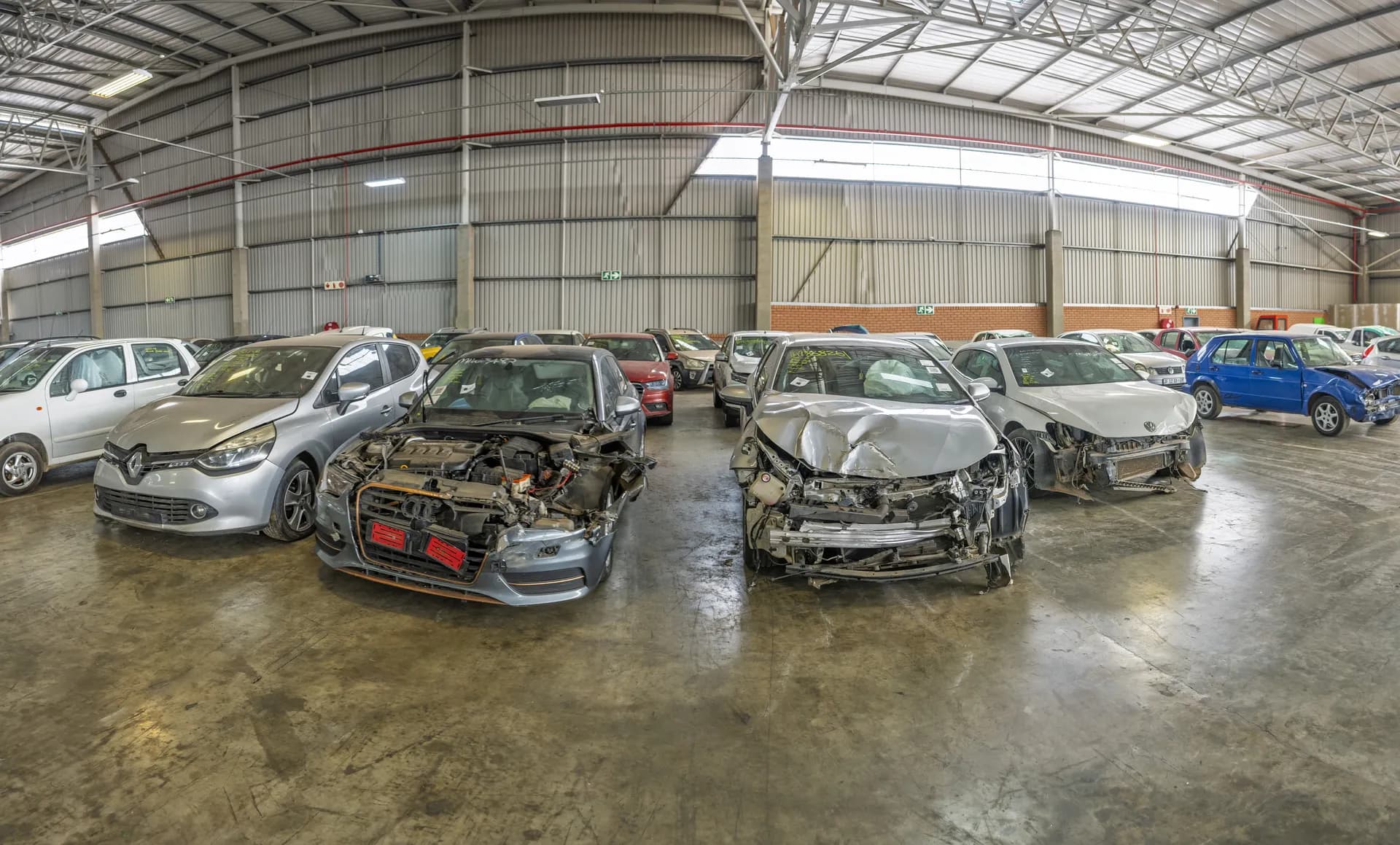
Key Documents to Gather
Registration certificate, seller ID, finance settlement (if applicable) and any insurer paperwork.
How Documents Affect Offers
Complete paperwork speeds valuation, transfer and can increase buyer confidence.
Seller Practical Steps
Collect photos, service records and lender statements before you request an offer.
Overview: documents needed to sell a non-running car in SA
If your vehicle is non-running, accident-damaged or written off, selling it for cash is a common option. Knowing which documents to prepare speeds up offers and transfer. This guide lists typical paperwork, explains legal considerations in South Africa, and shows how settlement letters, powers of attorney and the registration certificate affect a sale. The term "documents needed to sell a non-running car" appears throughout to help you confirm what to collect before you start.
Essential documents checklist
- Original vehicle registration certificate (logbook/registration document) where available.
- Proof of identity for the seller (RSA ID book or smart ID card or valid passport for non-SA citizens).
- Proof of residence (recent utility bill or bank statement) if requested for transfer purposes.
- Settlement letter or payout statement from the finance house if the vehicle is still under finance.
- Insurance claim documents and insurer settlement details if the vehicle has been written off.
- All available keys, copies of service history and any spare parts documentation (optional but helpful).
- Signed transfer forms or a signed power of attorney if someone else handles the sale on your behalf.
Note: Not every sale requires a roadworthy certificate for non-running or salvage sales, but transfer of ownership must be completed correctly. If you are unsure which documents you have, see our overview of how the process works on the About / How it works page for a clear explanation of roles and paperwork.
When to sell vs repair for a non-running car
Deciding whether to repair or sell often depends on repair cost, current market value and the documents you can produce. A non-running car with complete documentation and a clear finance status is easier to sell. If repair quotes approach or exceed the vehicle’s market value, selling as-is is frequently the better option.
| Repair cost (R, estimate) | Typical value retained after repair | When selling as non-running may be better |
|---|---|---|
| R5,000 - R15,000 | Moderate increase; depends on mechanical history | If buyer confidence is low or parts costly |
| R15,000 - R40,000 | Partial recovery; may still be less than repair bill | If vehicle is older or has structural damage |
| Over R40,000 | Closer to market value if major faults fixed | Consider repair only for newer, high-value cars |
Quick practical tip: Gather your registration document and ID first. These two items often speed up valuations and the signing of transfer documents.
If your car is non-running and you want a straightforward route to sell it, see our dedicated guidance on selling a non-running vehicle for how to present details and photos: Sell Non-Running Car.
How the process works when documents are ready
For a typical sale of a non-running car the steps are: submit vehicle details and photos, receive an offer, accept if appropriate, and complete paperwork for transfer. Having clear documents - registration certificate, ID and any finance settlement letter - makes the transfer faster and reduces queries from buyers or the registering authority.
Legal & paperwork specifics in South Africa
Transfer of ownership must be recorded with the relevant registering authority in South Africa. If the vehicle is still under finance, the lender has an interest in the vehicle; you will typically need a settlement letter or written clearance from the finance company before the transfer can proceed. For vehicles that have been insured and written off, provide insurer paperwork so buyers know the claim outcome and any salvage declarations.
Damage types vs typical offer impact
| Damage type | Documentation to prepare | How this affects offers |
|---|---|---|
| Mechanical non-runner | Service history, fault descriptions, photos | Offers based on repair estimate and parts demand |
| Accident / structural damage | Accident reports, insurer write-off letters (if any) | Lower offers where structural repair is needed |
| Flood or fire damage | Insurance claim documents, photos of damage | Offers influenced by salvageable parts and components |
Tips to maximise your offer (document-focused)
- Provide clear photos of the vehicle and damage, plus close-ups of the chassis/VIN plate.
- Include any maintenance records and original service booklets to demonstrate upkeep.
- If under finance, obtain a settlement figure from the lender ahead of time - this avoids delays.
- If you represent a business or fleet, present authorisation letters and company registration documents.
What happens after collection
After you accept an offer and hand over documents, the buyer arranges collection. The buyer should handle deregistration and transfer administration where applicable - confirm who completes the local registering forms. At Sell Your Damaged Car we handle collection, many of the transfer steps and assist with deregistration for sellers nationwide; learn more about our services on the Sell Damaged Cars page and our homepage for nationwide coverage.
Example scenarios (South Africa context): if a Johannesburg owner has a non-running car with a registration document and ID but a finance settlement is R20,000 (estimate), providing that settlement letter speeds payment and transfer. If a Cape Town-based vehicle has insurer write-off paperwork, supplying it clarifies whether the car is a declared total loss and who holds salvage rights. Figures used here are illustrative estimates in R and will vary by vehicle and lender.
Common questions and quick answers
- Q: Can I sell without the registration document? A: Possible, but having the registration certificate and ID speeds the transaction and gives buyers confidence.
- Q: What if the car is under finance? A: Request a written settlement figure from your lender; the sale cannot properly transfer without clearing or settling the lender’s interest.
- Q: Is a roadworthy certificate required? A: For non-running or salvage sales a roadworthy may not be applicable, but normal transfers for roadworthy vehicles typically require compliance with local regulations.
Sources
Seasoned automotive specialists dedicated to helping you turn your damaged or non-running vehicle into cash fast and hassle-free.
Disclaimer: This content is for educational purposes only. Product availability, pricing, and specifications are subject to change. Always verify current details on the retailer's website before making a purchase. We may earn affiliate commissions from qualifying purchases.
Why sell your damaged car to us?

A Division of Auction Nation, the leading expert in selling damaged cars

Best price for your damaged car

Get a cash offer within 24h

We buy damaged cars in any condition

We buy accident- damaged cars still under finance

Free, no obligation offer on your vehicle
How We Calculate Your Damaged Car’s Value
Wondering how we calculate your car’s value? At Sell Your Damaged Car, we look at: Your car’s real condition, its salvage value, and the current market demand. It’s all about honesty, transparency, and fairness — that’s how we determine your offer.
Frequently Asked Questions
Get answers to common questions about Legal And Paperwork
Why Choose Sell Your Damaged Car?
Free Towing
Need a tow? We got you
Hassle Free
Get a cash offer within 24h!
Nationwide
Somewhere remote? No problem!
