
How to Document Hail Damage for Sale in Johannesburg - A Practical Seller’s Guide
Learn how to document hail damage for sale in Johannesburg: photos, damage log, paperwork, legal checks and tips to speed offers and protect value.
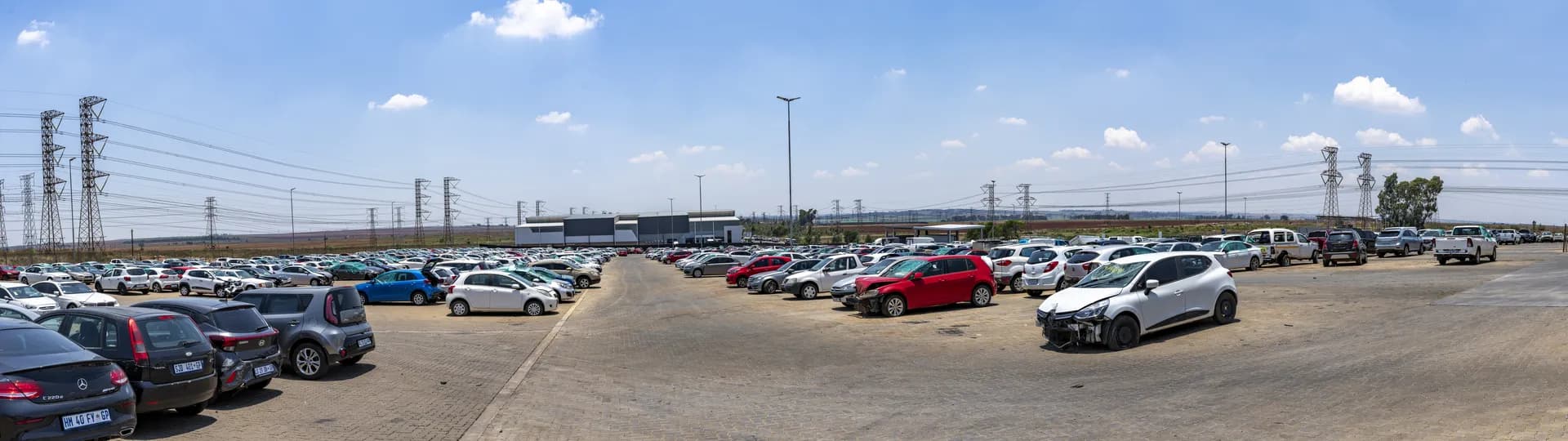
Clear Photo Evidence
Multiple angles and close-ups speed up valuation and reduce follow-ups.
Organised Paperwork
Registration, service history and finance details streamline transfer.
Honest Damage Log
A short dated record of the hail event builds buyer trust.
Overview: Why documenting hail damage matters
If your vehicle suffered hail damage in Johannesburg, clear documentation helps buyers and cash-buy services assess condition, speed up valuation and reduce disputes. Well-organised photos, a concise damage log, and supporting paperwork make it easier to receive a transparent, competitive cash offer and avoid delays during transfer or collection.
This guide focuses on practical steps you can take in Gauteng (including Johannesburg and surrounding areas) and explains how documentation fits into the sale process used by specialist buyers who handle towing, paperwork and payment nationwide.
When to sell vs repair after hail damage
Deciding to repair or sell depends on repair cost versus retained value and urgency. Small dents and cosmetic panel damage often suit repair if you plan to keep the car; widespread roof, bonnet or multi-panel damage often results in higher repair bills and lower retained market value, making sale to a specialist buyer a sensible option.
Repair cost vs value retained (example ranges, South Africa)
| Type of damage | Estimated repair cost (R) | Typical value retained |
|---|---|---|
| Minor dents & paint chips | R1,500 - R7,000 | Most value retained if repaired |
| Multiple panel dents (roof/bonnet) | R8,000 - R30,000+ | Significant loss; selling may be preferable |
| Structural or glass damage | Varies widely | Often lower retained value; specialist sale common |
How the documentation process works
Preparation and clear records let buyers price quickly and transparently. If you intend to use a specialist service, you can submit the documentation online and receive an offer without moving the vehicle. Services like the one described on our About / How it works page explain how offers, collection and paperwork are handled nationwide.
Step-by-step documentation checklist
- Take clear photos from multiple angles: whole-vehicle shots (front/side/rear), close-ups of damage, interior shots if water or debris entered the cabin.
- Record date, location (e.g., Johannesburg CBD, Sandton, Roodepoort) and approximate time of the hail event in a short damage log.
- Note visible secondary issues: cracked glass, chipped paint exposing metal, drainage or water entry areas.
- Collect supporting documents: vehicle registration, service history, recent valuations or previous repair estimates, and any insurance communication if applicable.
- If you are under finance, note the financier and outstanding balance - buyers will ask and the seller must notify the lender as part of transfer.
Pro tip: Use daylight and a neutral background when photographing dents. Avoid heavy filters or cropping out context; honest, complete images build trust and speed up valuation.
If your car is non-running as a result of hail-related mechanical or electrical faults, reference our guidance on selling non-running vehicles to understand expected timelines and paperwork by visiting the Sell Non-Running Car page.
Legal & paperwork considerations in South Africa
In South Africa, selling a damaged vehicle requires the same ownership and transfer checks as any sale. If the vehicle is written off or declared a salvage by an insurer, certain additional steps may apply. Buyers will request proof of ownership (registration papers) and will often manage deregistration or transfer with the licensing authorities on your behalf.
Key steps to prepare legally
- Confirm the vehicle registration document and ID for the registered owner.
- If the vehicle is financed, inform your lender and obtain a settlement figure - the buyer or collection agent will need lender clearance for transfer.
- Keep any insurer correspondence if a claim was submitted; this clarifies written-off status and helps the buyer assess salvage requirements.
Damage types vs typical offer impact
| Damage type | Impact on offer |
|---|---|
| Surface dents (panels only) | Lower impact if repairable by paintless dent removal; clear photos help distinguish cases. |
| Multiple panels, paint damage | Moderate-to-high impact; buyers factor in re-spray and labour costs. |
| Glass or structural damage | Significant impact; often classed as salvage or written-off depending on insurer and vehicle age. |
Tips to maximise your offer when documenting hail damage
- Be transparent and organised: chronological photos and a simple damage log reduce time spent in follow-up questions.
- Include recent service records and known faults unrelated to hail - buyers value full disclosure.
- If you obtained repair estimates, include them. Accurate quotes (with VAT where applicable) help buyers compare repair vs salvage costs.
- If you’re local to Johannesburg, note accessible collection points or secure parking; this can reduce logistical delays.
What happens after collection
After you accept an offer and collection is scheduled, a reputable buyer will collect the vehicle (many buyers offer free towing nationwide), complete the required paperwork, manage deregistration/transfer with licensing authorities, and release payment to your account. If the vehicle is under finance, the transaction will include lender settlement steps before final transfer.
Example timeline (Johannesburg scenario)
- Day 1: Submit photos and damage log; receive an initial offer estimate.
- Day 1-2: Buyer requests clarification or additional images; you provide documents (registration, service history).
- Day 2-5: Accept offer; collection arranged. Free towing from Johannesburg suburbs usually available within a few days.
- Day 5-7: Paperwork completed and payment released once collection and verification are done (timelines vary by buyer and financier).
For a clearer picture of services that manage collection and paperwork nationwide, review our Sell Damaged Cars overview at Sell Damaged Cars or start from the homepage for process details and examples of documentation accepted by buyers.
Final practical checklist before you submit
- Photos: whole vehicle + close-ups of each damaged panel and any glass or mechanical issues.
- Short damage log with date/time and location (Johannesburg suburb).
- Copies or scans of registration and recent service history.
- Note any finance details and insurer communication.
Sources
Seasoned automotive specialists dedicated to helping you turn your damaged or non-running vehicle into cash fast and hassle-free.
Disclaimer: This content is for educational purposes only. Product availability, pricing, and specifications are subject to change. Always verify current details on the retailer's website before making a purchase. We may earn affiliate commissions from qualifying purchases.
Why sell your damaged car to us?

A Division of Auction Nation, the leading expert in selling damaged cars

Best price for your damaged car

Get a cash offer within 24h

We buy damaged cars in any condition

We buy accident- damaged cars still under finance

Free, no obligation offer on your vehicle
How We Calculate Your Damaged Car’s Value
Wondering how we calculate your car’s value? At Sell Your Damaged Car, we look at: Your car’s real condition, its salvage value, and the current market demand. It’s all about honesty, transparency, and fairness — that’s how we determine your offer.
Frequently Asked Questions
Get answers to common questions about Selling Guides
Why Choose Sell Your Damaged Car?
Free Towing
Need a tow? We got you
Hassle Free
Get a cash offer within 24h!
Nationwide
Somewhere remote? No problem!
