
Do Storm-Damaged Car Buyers Offer Free Towing? FAQ for South African Sellers
Learn whether storm-damaged car buyers include free towing in South Africa, what exceptions apply, legal paperwork and tips to get the best offer.
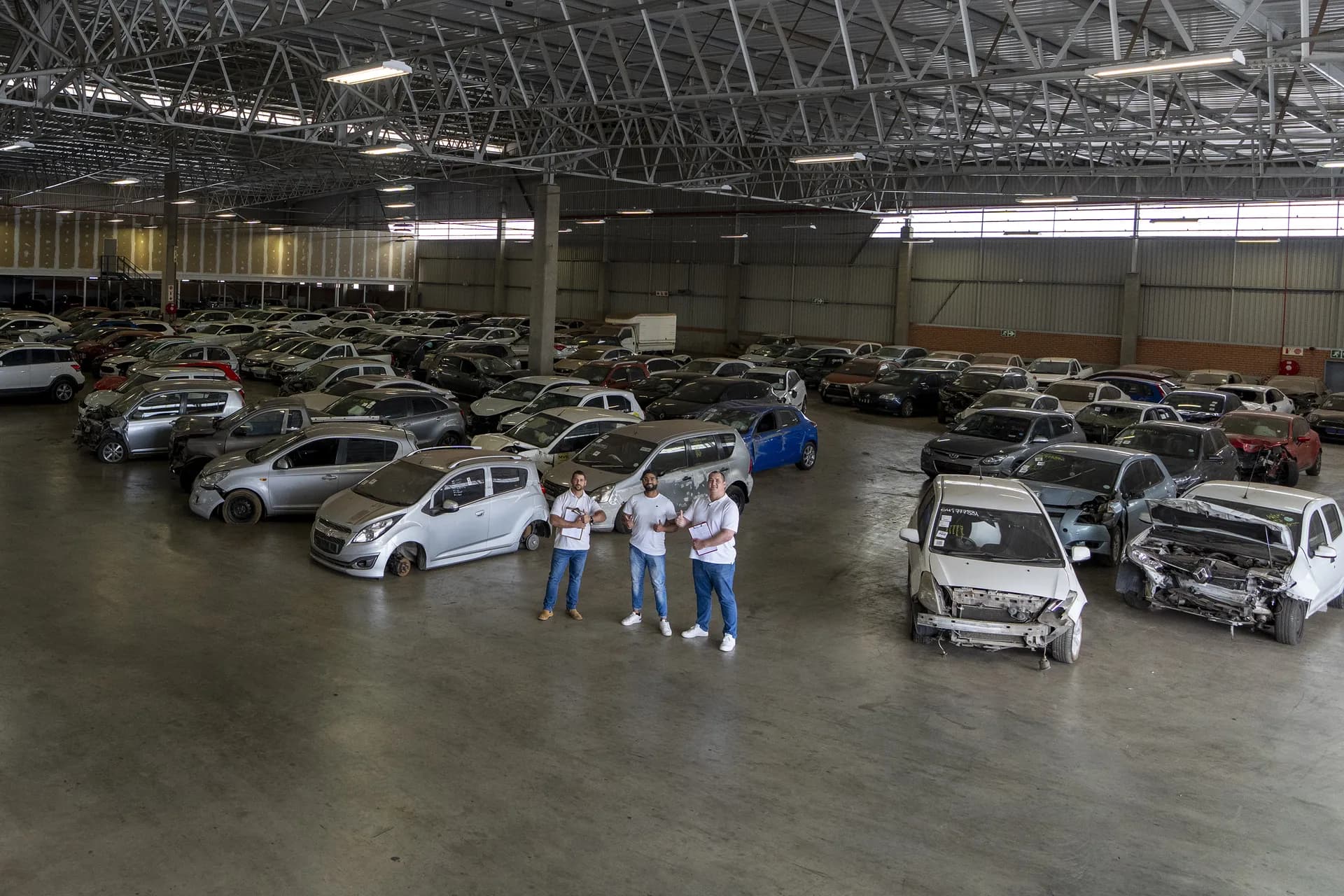
Free Towing Often Included
Many buyers cover nationwide pick-up, but check location or condition exceptions.
Compare Total Value
Factor free towing and paperwork help, not just headline price.
Check Paperwork & Finance
Confirm deregistration and finance settlement steps before accepting an offer.
Overview: Free towing and storm-damaged cars
A common question from vehicle owners after hail, flood or storm damage is: do storm-damaged car buyers offer free towing? Many professional salvage and cash-for-cars services include free collection as part of their service offering, but coverage can vary by company, distance and vehicle condition. In South Africa, a nationwide buyer that advertises free towing typically absorbs the cost of collection so sellers - whether in Johannesburg, Cape Town, Durban or smaller towns - do not have to arrange transport for a non-running or badly damaged vehicle.
When evaluating offers, confirm what "free towing" includes: on-site collection, kerbside pickup, or recovery from difficult locations (steep terrain, off-road sites) which sometimes has additional charges. Also check whether a buyer will collect vehicles under finance or with outstanding liens - those require extra admin and may affect timing of payment.
Quick note
Sell Your Damaged Car provides free towing nationwide and handles paperwork and deregistration for sellers - helpful if a storm leaves your car undrivable. Learn more about the company and its process on the About / How it works page.
How free towing is commonly structured
- Nationwide included: Many buyers advertise free towing across major metros and many surrounding areas.
- Local limits: Some buyers only include local metro pickups; remote or cross-provincial recovery may be excluded or subject to scheduling delays.
- Condition-based exceptions: Vehicles located in unsafe areas, heavily submerged by floodwater, or requiring specialist winching may incur a surcharge.
Repair cost vs value retained (illustrative, South Africa)
| Repair estimate (R) | Typical value retained after repair | Seller consideration |
|---|---|---|
| R5,000 - R20,000 | High (70-90%) - minor dents, cosmetic hail | Repair if resale value justifies cost. |
| R20,000 - R60,000 | Medium (40-70%) - panel damage, partial water ingress | Compare repair quotes vs offers from buyers that provide free towing. |
| R60,000+ | Low (<50%) - severe structural or flood damage | Selling for salvage or to a specialist buyer is often more practical. |
Damage types vs typical offer impact
| Damage type | Typical effect on offers | Notes |
|---|---|---|
| Surface hail / cosmetic dents | Small reduction | Often economical to repair, but buyers still collect free. |
| Flood / water damage | Major reduction | Electrical and engine risks; specialist salvage market applies. |
| Structural / frame damage | Significant reduction | Often written off by insurers and sold to reconstructors. |
If you want an overview of the types of vehicles accepted, see the detailed list on our Sell Damaged Cars page.
When to sell versus repair after storm damage
Deciding to repair or sell depends on repair costs, safety, and how quickly you need the vehicle converted into usable funds. Example: if repair estimates are R40,000 but the market value after repair will only increase by R25,000, selling to a buyer that includes free towing and handles paperwork may be the lower-cost, lower-risk option. For non-running vehicles or those with water in electrical systems, selling is often the pragmatic choice.
How the buyer collection process typically works
Most reputable buyers follow a simple flow: submit details and photos, receive an obligation-free offer, accept if you choose, then the buyer schedules collection. The buyer arranges towing (usually free within advertised areas), completes transfer and deregistration paperwork, and releases payment. For more on the online valuation and step process, review our homepage and the Sell Non-Running Car page for specific guidance on non-drivable vehicles.
Legal & paperwork considerations in South Africa
Legal transfer and deregistration must be handled correctly. In South Africa sellers should check whether their vehicle is under finance - selling while a vehicle is bonded requires settlement or lender consent. A professional buyer often helps by preparing transfer documents and assisting with deregistration submissions to the relevant traffic authorities. Always obtain a signed proof of sale and confirmation of deregistration where applicable.
Tips to maximise your offer for storm-damaged cars
- Photograph the damage clearly: multiple angles, interior photos and any waterlines for flood damage.
- Provide accurate service history and documentation to prove the vehicle's prior condition.
- Disclose finance or liens up front to avoid later delays in payment.
- Compare multiple offers but factor in inclusions like free towing and admin support rather than price alone.
What happens after collection
After collection the buyer typically inspects the vehicle, finalises paperwork (transfer and deregistration where needed) and processes payment. Payment timing can vary depending on whether the buyer must settle an existing finance agreement first, but many established buyers release funds quickly once documents are complete. Keep copies of all documentation and bank confirmation for your records.
Practical South Africa scenarios
Scenario 1 - Hail damage in Pretoria: cosmetic dents estimated at R12,000 to repair. Because the car remains drivable, the owner may choose to repair or accept a competitive cash offer including free local towing if needed.
Scenario 2 - Flooded vehicle in Cape Town: electrical and engine risk. Many buyers offer free towing to remove the vehicle from the property and provide an offer based on salvage value; repairing is usually costly and uncertain.
Further reading and related resources
For more detail on damage categories and how we assess non-running vehicles, review our Sell Damaged Cars and Sell Non-Running Car pages.
Sources
- Sell Your Damaged Car - About / How it works
- Department of Transport, Republic of South Africa - transport.gov.za
- Automobile Association (AA) South Africa - aa.co.za
- South African Weather Service - weathersa.co.za
If your question is specifically whether a listed buyer will tow for free from your exact location, ask for a written confirmation in the offer so that pickup, any potential exceptions and the expected payment timeline are clear and documented.
Seasoned automotive specialists dedicated to helping you turn your damaged or non-running vehicle into cash fast and hassle-free.
Disclaimer: This content is for educational purposes only. Product availability, pricing, and specifications are subject to change. Always verify current details on the retailer's website before making a purchase. We may earn affiliate commissions from qualifying purchases.
Why sell your damaged car to us?

A Division of Auction Nation, the leading expert in selling damaged cars

Best price for your damaged car

Get a cash offer within 24h

We buy damaged cars in any condition

We buy accident- damaged cars still under finance

Free, no obligation offer on your vehicle
How We Calculate Your Damaged Car’s Value
Wondering how we calculate your car’s value? At Sell Your Damaged Car, we look at: Your car’s real condition, its salvage value, and the current market demand. It’s all about honesty, transparency, and fairness — that’s how we determine your offer.
Frequently Asked Questions
Get answers to common questions about Tips And Advice
Why Choose Sell Your Damaged Car?
Free Towing
Need a tow? We got you
Hassle Free
Get a cash offer within 24h!
Nationwide
Somewhere remote? No problem!
