
Do buyers take non-running, fire-damaged cars? What South African sellers should know
Find out when buyers will buy non-running or fire-damaged cars in South Africa, how offers are calculated, SA paperwork requirements, and tips to improve offers.
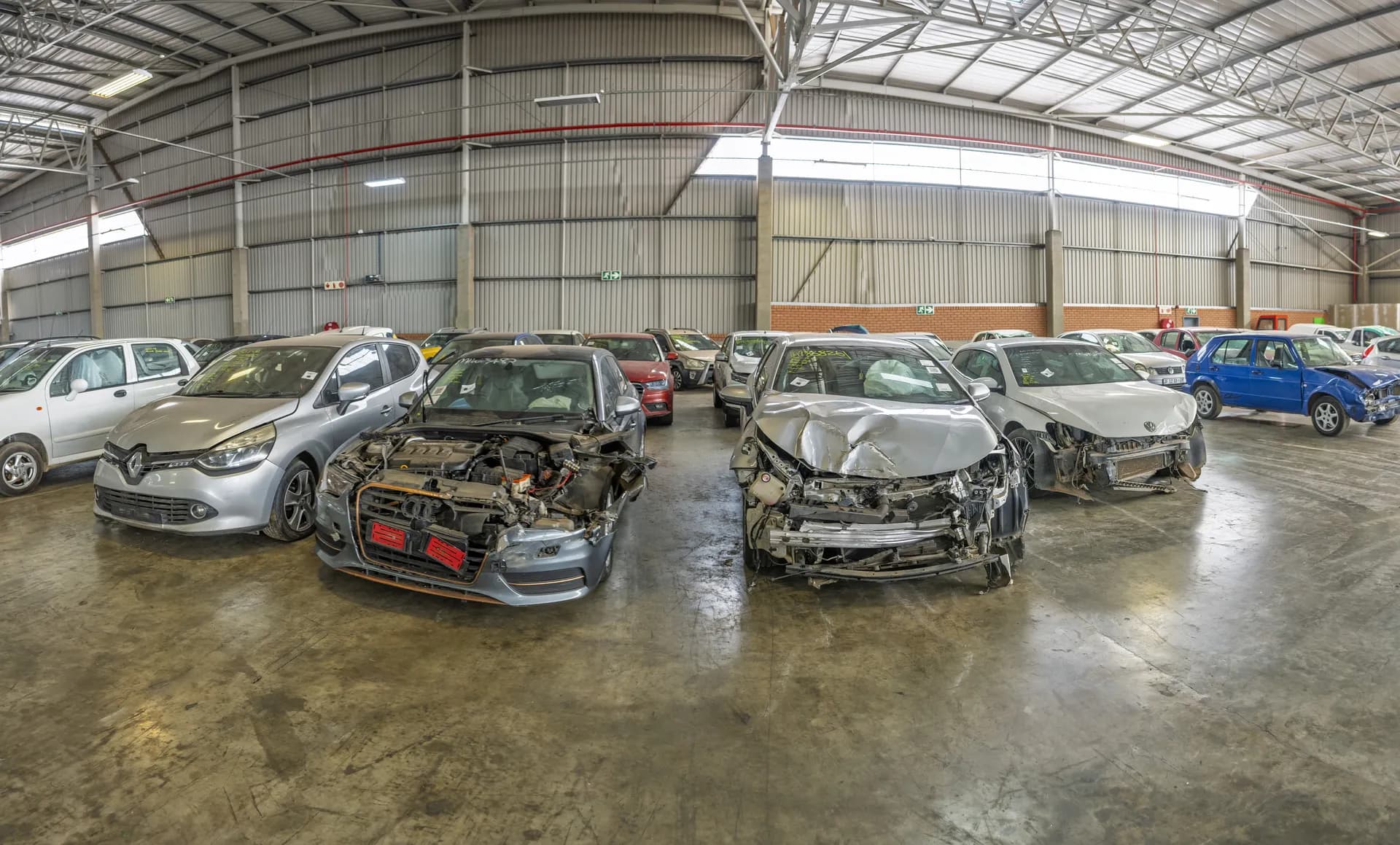
Buyers Do Consider Fire-Damaged Cars
Specialist buyers, dismantlers and scrap yards will often buy non-running fire-damaged vehicles.
Provide Clear Details
Photos, VIN, and honest damage descriptions lead to more accurate, competitive cash offers.
Paperwork & Nationwide Towing
Many buyers handle deregistration, finance coordination and free collection across South Africa.
Overview: Do buyers take non-running, fire-damaged cars?
Yes-many specialised buyers and salvage firms in South Africa do purchase non-running and fire-damaged cars, but acceptance depends on the vehicle's condition, market demand for parts, and legal status. When asking "do buyers take non-running, fire-damaged cars," sellers want to know how offers are made, what paperwork is required and whether collection and payment are straightforward. This guide explains common scenarios in South Africa, typical impacts on offers, and practical next steps.
How buyers evaluate fire-damaged, non-running vehicles
Buyers typically assess the extent of fire damage (engine bay vs interior vs electrical), whether the vehicle is repairable, the availability of reusable parts, salvageable metal value, and whether the car has outstanding finance or registration issues. Non-running status often lowers the offer because towing and repair or dismantling costs increase. Offers are commonly a competitive cash offer reflecting net salvage value, not a repair estimate.
Which buyers will consider these vehicles?
- Licensed salvage yards and dismantlers that sell usable parts.
- Specialist car-buying services that handle towing and paperwork.
- Scrap metal buyers for vehicles with limited salvageable parts.
- Repair shops in cases where repair is viable for higher-value cars.
Practical note: A fire that affected only upholstery and electronics will usually preserve more parts value than a fire that reached the engine bay. Provide clear photos and honest descriptions to get an accurate initial offer.
Repair cost vs value retained (example estimates for SA)
| Scenario | Typical repair cost (R, est.) | Value retained if repaired (%) |
|---|---|---|
| Minor interior/electrical fire | R10,000 - R40,000 | 60%-80% |
| Engine-bay fire | R40,000 - R120,000+ | 25%-50% |
| Total loss / severe structural fire | Often uneconomic to repair | 0%-25% |
Estimates above are illustrative for South Africa and will vary by make, model, age and local labour/parts costs. If repair costs approach or exceed the vehicle's market value, many owners find a salvage sale is simpler.
If you want to compare selling non-running vehicles specifically, see our detailed guidance on selling a non-running car here: Sell Non-Running Car.
Damage types vs typical offer impact
| Damage type | Effect on offers |
|---|---|
| Superficial fire (trim/electrics) | Moderate reduction; parts and repairable components retain value |
| Engine bay / wiring harness fire | Significant reduction; high repair cost and safety concerns |
| Interior-only fire | Smaller impact if drivetrain intact; parts market helps offers |
| Full structural/total loss | Lowest offers; usually sold for scrap or parts salvage |
For more context about what damaged cars we buy and how we work, review our Sell Damaged Cars overview: Sell Damaged Cars and our company background: About / How it works.
When to sell vs repair a fire-damaged, non-running car
Deciding whether to repair or sell depends on a simple cost-benefit check: compare estimated repair costs (including time and compliance testing) to the post-repair market value. In South Africa, if repair costs exceed roughly 40%-60% of the vehicle's current market value (varies by vehicle and age), many owners choose to sell to a specialist buyer to avoid further expense and storage costs.
Key factors to weigh
- Estimated repair cost vs expected resale value after repair.
- Availability and cost of replacement parts in SA for your model.
- Whether the vehicle is under finance (see Legal & paperwork).
- Urgency: storage, insurance implications, and safety risks of a damaged vehicle.
How the specialist buying process usually works
Most reputable buyers follow a predictable process: you submit vehicle details and photos online, they provide an initial competitive cash offer based on condition and salvage demand, and if you accept they arrange collection (often free nationwide towing), complete paperwork and release payment. For a practical example of this end-to-end flow, see our homepage overview: Sell Your Damaged Car home.
Legal & paperwork in South Africa
Before sale, confirm whether the vehicle has:
- Outstanding finance - you must inform the buyer; many buyers can settle finance directly with the lender, but this affects net proceeds.
- Current registration and valid documents - buyers need clear ownership transfer records; deregistration assistance is often provided by specialist services.
- Insurance write-off status - if the insurer has declared a total loss, declare this to the buyer so offers account for salvage classification.
Specialist buyers often help with deregistration and transfer paperwork and will request proof of ID, vehicle registration (or file reference), and finance statements if needed. Handling these correctly reduces delays and protects both parties.
Tips to maximise your offer for a fire-damaged non-runner
- Provide clear photos showing engine bay, interior, VIN/chassis plate and damage areas.
- List known working components (e.g., transmission intact, working ABS modules) - reusable parts can raise offers.
- Be transparent about fire cause and any prior mechanical issues; accurate info prevents offer renegotiation.
- Check whether the buyer offers free nationwide towing and paperwork handling - these lower your out-of-pocket costs.
What happens after collection?
After you accept an offer, collection and post-sale steps typically include:
- Scheduling free towing from your location - buyers often serve Johannesburg, Cape Town, Durban and surrounding regions across SA.
- Final inspection on collection - this confirms the vehicle matches the description provided.
- Paperwork completion: transfer of ownership and any deregistration steps; if the vehicle is under finance the buyer may coordinate settlement.
- Payment release: many buyers issue near-instant payment once paperwork and collection are verified.
If you want specialised guidance for non-running vehicles, our Sell Non-Running Car resource explains the information you should prepare for an accurate offer: Sell Non-Running Car. For broader details on damaged vehicles we accept, see Sell Damaged Cars.
Real-world examples (South Africa)
Example A: A 2012 sedan with interior fire but intact drivetrain. The buyer assessed multiple reusable parts (dashboard modules, seats) and provided a competitive cash offer reflecting part value minus towing and admin - often a preferable outcome to an expensive repair. Example B: A 2006 bakkie with severe engine bay fire was offered mainly for scrap and usable metal; repair was uneconomic and the salvage sale avoided ongoing storage costs. Figures vary widely; buyers will request photos and details to estimate in R amounts.
Sources
- Road Traffic Management Corporation (RTMC) - national traffic and vehicle registration information for South Africa.
- AA South Africa - consumer guidance on selling and valuing damaged vehicles in the South African market.
- South African Government: transport and vehicle services - official government portal for vehicle-related services and regulations.
Seasoned automotive specialists dedicated to helping you turn your damaged or non-running vehicle into cash fast and hassle-free.
Disclaimer: This content is for educational purposes only. Product availability, pricing, and specifications are subject to change. Always verify current details on the retailer's website before making a purchase. We may earn affiliate commissions from qualifying purchases.
Why sell your damaged car to us?

A Division of Auction Nation, the leading expert in selling damaged cars

Best price for your damaged car
Get a cash offer within 24h

We buy damaged cars in any condition

We buy accident- damaged cars still under finance

Free, no obligation offer on your vehicle
How We Calculate Your Damaged Car’s Value
Wondering how we calculate your car’s value? At Sell Your Damaged Car, we look at: Your car’s real condition, its salvage value, and the current market demand. It’s all about honesty, transparency, and fairness — that’s how we determine your offer.
Frequently Asked Questions
Get answers to common questions about Damage Types
Why Choose Sell Your Damaged Car?
Free Towing
Need a tow? We got you
Hassle Free
Get a cash offer within 24h!
Nationwide
Somewhere remote? No problem!
