
Difference Between Selling Non-Running and Scrap Cars in SA - What Owners Need to Know
Learn the practical, legal and valuation differences between selling non-running and scrap cars in South Africa, with SA-specific tips on paperwork, offers, and logistics.
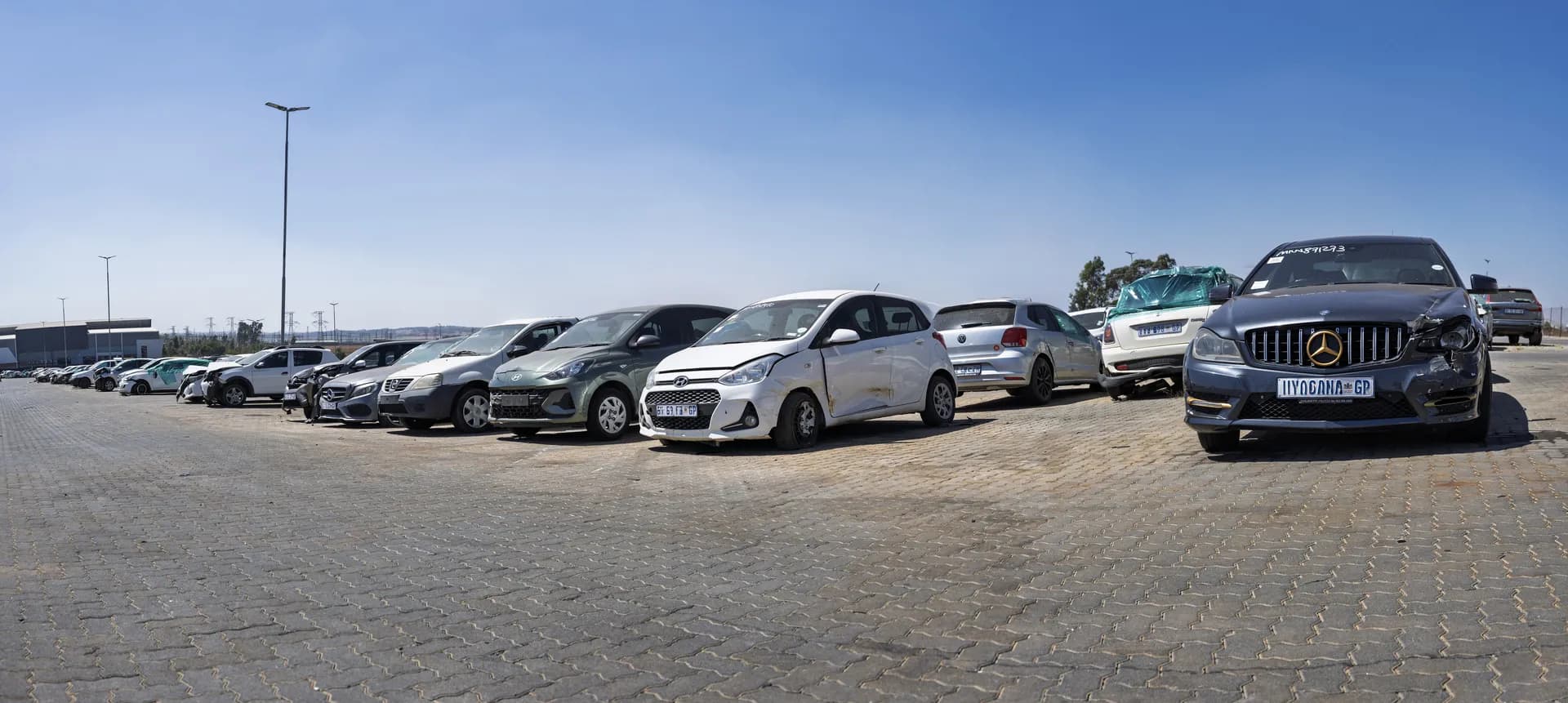
Key Difference
Non-running cars may fetch repair-value offers; scrap cars are priced for parts and metal.
Paperwork Matters
Ownership, finance status and deregistration affect how sales are completed in SA.
Choose by Cost Logic
If repair exceeds likely resale, scrap is usually the practical route.
Overview: defining non-running vs scrap cars in SA
When comparing the difference between selling non-running and scrap cars in SA it helps to start with plain definitions. A non-running car is a vehicle that cannot be driven due to mechanical failure, battery issues, or damage but still has recoverable components or repair potential. A scrap car (also called end-of-life or salvage) is usually considered beyond economical repair, sold mainly for parts, metal recycling or specialist salvage use.
These distinctions matter because they influence how offers are calculated, what paperwork is needed, and which market the vehicle will enter - salvage yards, parts dealers, dismantlers or buyers who will repair and resell. The phrase difference between selling non-running and scrap cars in SA describes not just condition but also how the transaction and compliance are handled in South Africa.
Quick factors that change the outcome
- Residual parts value versus recyclable metal value.
- Cost and feasibility of repair relative to market value.
- Outstanding finance, deregistration and ownership transfer complexity.
- Local demand in metros like Johannesburg, Cape Town and Durban for specific models or parts.
How price is typically assessed
Valuation for non-running cars focuses on repair potential and usable parts; for scrap cars valuation is mainly based on salvageable components and scrap metal weight. In South Africa, offers will vary by region, the buyer's intended use (repair/resell vs. recycling) and current scrap metal or parts demand.
| Scenario | Primary value driver | Typical buyer |
|---|---|---|
| Non-running (repairable) | Repair cost vs resale value; intact components | Mechanics, rebuilders, private buyers |
| Scrap (end-of-life) | Parts resale & scrap metal price | Dismantlers, scrap processors, metal recyclers |
Local note: In major hubs like Johannesburg, Cape Town and Durban there is typically higher demand for repairable non-running cars because parts markets and repair workshops are concentrated there. Rural areas often see quicker routes to scrap or recycling due to logistics and lower repair demand.
When to sell as non-running vs when to sell as scrap
Deciding whether to market a vehicle as a non-running car or as scrap depends on simple arithmetic and timing. If repair estimates are less than a substantial portion of the car’s market value and parts are in demand, selling as non-running often yields a higher offer. If the repair cost exceeds realistic resale value, or the vehicle is structurally compromised, scrap is usually the practical choice.
Repair cost vs value retained (illustrative)
| Estimated repair cost (R) | Likely retained market value after repair | Suggested route |
|---|---|---|
| R5,000 - R15,000 | R20,000 - R60,000 | Sell as non-running (repairable) |
| R15,000 - R40,000 | R10,000 - R40,000 | Evaluate parts demand; could be either |
| R40,000+ | Often less than repair cost | Usually scrap / salvage |
These figures are illustrative estimates for South Africa and will vary by make, model, age and region. For an accurate comparison tailored to your vehicle it helps to get a professional valuation or an online offer.
If you want to read more about selling a non-running vehicle specifically, see our resource on selling non-running cars: Sell Non-Running Car. For an overview of damaged and salvage vehicles, our explanation is available here: About / How it works.
How the process works - differences in logistics and paperwork
The practical steps to sell differ slightly. Selling a non-running car often involves a buyer assessing repair needs then arranging towing or collection. Selling a scrap car usually focuses on collection and weight/parts assessment. In South Africa, paperwork and transfer or deregistration obligations still apply; vehicles under finance require lender consent before transfer or payment can be finalised.
Paperwork & legal considerations in SA
- Proof of ownership (registered owner documentation) is required for lawful sale or transfer.
- Vehicles with outstanding finance must have the finance house involved; settlement or transfer authority is needed.
- Deregistration and transfer are part of closing the sale; many buyers (including professional services) assist with this admin.
- Written-off status: if the insurer has declared a vehicle a write-off, check insurer instructions before sale; write-off designation affects how buyers treat the sale.
Damage types vs typical offer impact
| Damage type | Impact on offers |
|---|---|
| Mechanical failure (engine/gearbox) | High repair cost; if core components intact, non-running offers possible |
| Structural crash damage | Reduces resale; often leans toward scrap or salvage markets |
| Flood or fire damage | Severe impact on electronics; many buyers treat as scrap |
| Minor cosmetic / starter faults | Higher chance of non-running classification and better offers |
Practical tips to maximise your offer
- Provide clear photos and honest descriptions - buyers price risk into offers.
- List recent service history or parts replaced; this can increase non-running offers.
- Disclose any outstanding finance early; unresolved finance delays or reduces payable proceeds.
- Compare quotes from dismantlers, scrap yards and specialist buyers to see which route is stronger locally.
For owners who prefer a straightforward, handled sale with nationwide collection and paperwork support, professional services can simplify the decision. Learn more about selling damaged vehicles and the options available on our Sell Damaged Cars page: Sell Damaged Cars. You can also check our homepage for the full online process and service coverage: Sell Your Damaged Car.
What happens after collection
After collection, the vehicle is assessed for parts, repair potential or recycling. Payment schedules vary by buyer but reputable services aim to settle promptly and assist with transfer or deregistration. If the vehicle was sold as scrap, it will usually be dismantled and recycled; if sold as non-running, it may be repaired and returned to the market.
Real-world example (illustrative)
A mid-2000s sedan with a seized engine in Johannesburg might receive a stronger offer as a non-running car if the gearbox and body are intact and parts are in demand. By contrast, the same model with major structural damage or flood-affected electrical systems will commonly be routed to scrap.
Sources
- Department of Transport - Government of South Africa
- Road Traffic Management Corporation (RTMC)
- Automobile Association of South Africa - buyer and repair guidance
Note: figures and examples in this article are estimates for South Africa and intended to illustrate typical differences between selling non-running and scrap cars. Actual offers depend on individual vehicle details, market demand and regional factors.
Seasoned automotive specialists dedicated to helping you turn your damaged or non-running vehicle into cash fast and hassle-free.
Disclaimer: This content is for educational purposes only. Product availability, pricing, and specifications are subject to change. Always verify current details on the retailer's website before making a purchase. We may earn affiliate commissions from qualifying purchases.
Why sell your damaged car to us?

A Division of Auction Nation, the leading expert in selling damaged cars

Best price for your damaged car

Get a cash offer within 24h

We buy damaged cars in any condition

We buy accident- damaged cars still under finance

Free, no obligation offer on your vehicle
How We Calculate Your Damaged Car’s Value
Wondering how we calculate your car’s value? At Sell Your Damaged Car, we look at: Your car’s real condition, its salvage value, and the current market demand. It’s all about honesty, transparency, and fairness — that’s how we determine your offer.
Frequently Asked Questions
Get answers to common questions about Comparison And Alternatives
Why Choose Sell Your Damaged Car?
Free Towing
Need a tow? We got you
Hassle Free
Get a cash offer within 24h!
Nationwide
Somewhere remote? No problem!
