
Defensive Driving to Avoid Accidents in South Africa - Practical Tips and Aftercare
Learn defensive driving techniques tailored for South African roads, plus clear guidance on what to do after an accident, repair vs sell decisions, and paperwork.
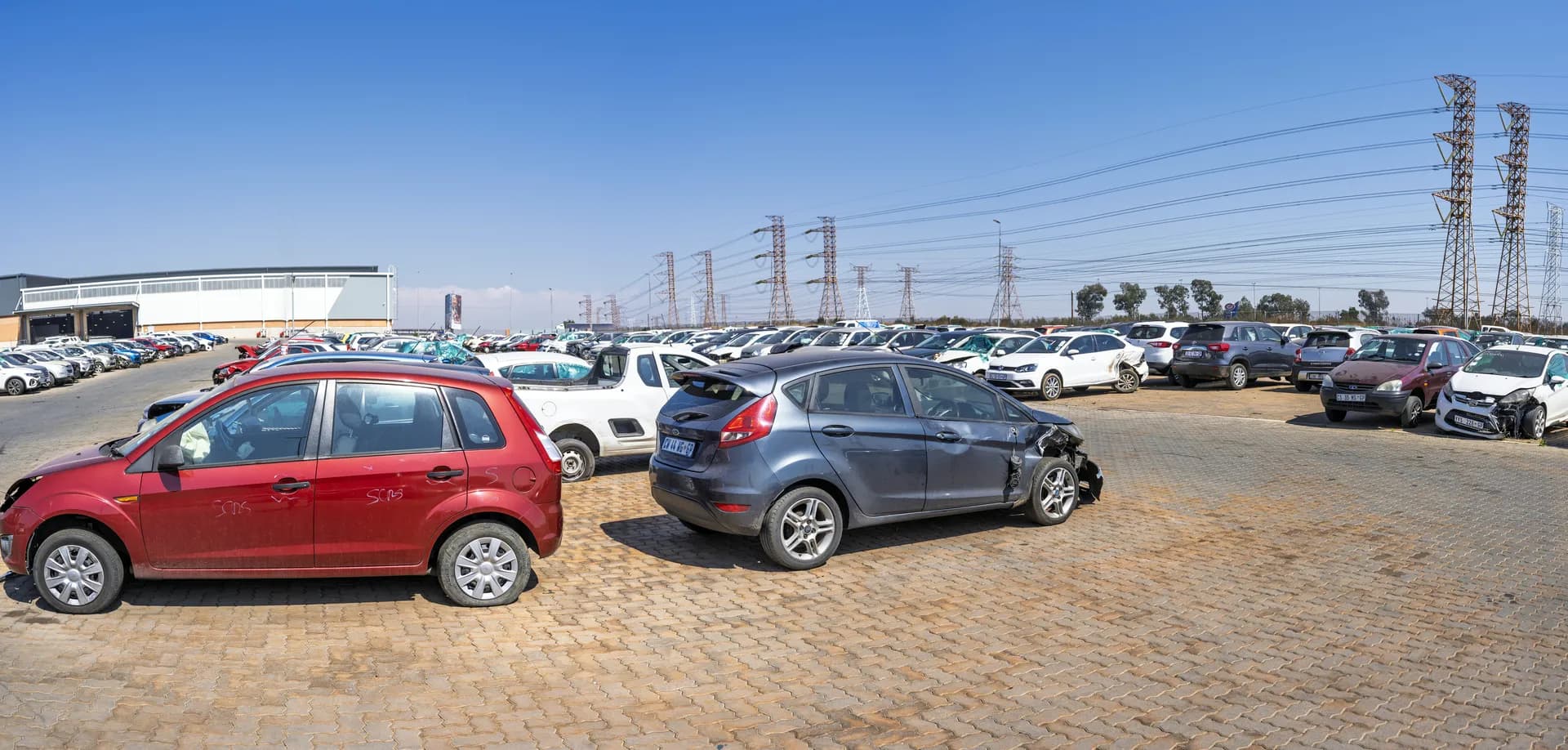
Scan and Anticipate
Look ahead, mirror-check regularly and anticipate hazards to reduce crash risk.
Manage Speed & Distance
Adjust speed for conditions and keep extra gap in rain or heavy traffic.
Know Post-Accident Steps
Document the scene, report as required, and compare repair vs selling options.
Overview: Why defensive driving matters in South Africa
Defensive driving reduces your risk of being involved in a crash by teaching anticipation, hazard recognition and safe decision-making. On South African roads - where mixed traffic, variable road conditions and unpredictable weather are common - adopting defensive driving habits can cut serious incidents and protect you, your passengers and other road users.
Defensive driving focuses on five core behaviours: scanning the road, maintaining safe following distances, controlling speed for conditions, anticipating other drivers and avoiding distractions. These habits are practical whether you commute in Johannesburg, navigate Cape Town’s busy arteries or use regional routes around Durban.
Quick safety reminder
If you are involved in an accident, first check for injuries and move to a safe location if possible. Report serious incidents to emergency services and the SAPS. For non-serious damage, follow the administrative steps outlined below and consider options for your vehicle if it’s not roadworthy.
Core defensive driving practices
- Scan ahead at least 12-15 seconds (urban) and 20+ seconds on highways to spot hazards early.
- Use the two-second rule in ideal conditions; increase to four seconds in rain or heavy traffic.
- Avoid sudden lane changes - signal early and create space before merging.
- Minimise distractions: secure devices, set navigation before departing and limit in-car activity while moving.
- Adjust speed to conditions: road surface, visibility, and local traffic laws in SA matter more than posted limits.
Practical examples from South African driving contexts
On Gauteng freeways, heavy peak-hour congestion and merging traffic require heightened scanning and steady speeds. In Cape Town, steep, winding roads and cyclists demand lower gears and greater braking distance. Durban’s coastal routes may be affected by spray and sudden crosswinds; reduce speed and increase gaps when visibility drops.
If an accident does occur, understanding next steps can reduce stress. For guidance on handling damaged vehicles and the options available after a collision, review our company overview at About / How it works and learn how salvage situations are typically handled on the Sell Damaged Cars page.
When to sell vs repair after an accident
A key post-accident decision is whether to repair or sell. Repair is often sensible for minor damage where repair cost is a small fraction of market value. Selling becomes a reasonable alternative where repairs are costly relative to the car’s value, the vehicle is non-running, or a written-off status is likely. Decisions should factor in safety, long-term reliability and insurance outcomes.
| Repair cost (estimate, R) | Typical value retained after repair | When repair is sensible |
|---|---|---|
| R5,000 - R15,000 | 80%-95% (minor panel/bumper) | Cosmetic or minor structural fixes with trustworthy parts |
| R20,000 - R60,000 | 50%-80% (moderate structural/mechanical) | Consider repair if long-term reliability is certain and safety is unaffected |
| R70,000+ | 30%-60% (major structural or engine damage) | Selling or salvage often more practical; check insurer/write-off criteria |
Figures above are illustrative for the South African context and represent approximate ranges; exact numbers depend on make, model, vehicle age and market demand.
How the process works after a collision (practical steps)
Immediate on-scene steps
- Check for injuries and call emergency services if needed.
- Move vehicles from traffic where it’s safe to do so; exchange details and take photos of the scene and damage.
- If required, report the incident to SAPS and obtain an incident number for insurance claims.
Next administrative steps in South Africa
- Notify your insurer and follow their instructions for assessments and tow arrangements.
- Collect and keep all documentation: incident report, photos, repair estimates and any police reference.
- If the vehicle is non-running or written off, consider selling to a specialist buyer who handles towing and paperwork.
For drivers exploring alternatives to repair, the Sell Non-Running Car resource explains common outcomes and practical steps if your vehicle won’t start or is written off.
Legal & paperwork considerations in South Africa
After an incident you may need to handle deregistration, transfer of ownership and finance settlement. Key points:
- If the vehicle is financed, inform the lender; settlement or lender approval will be required before transfer.
- Deregistering a written-off vehicle and updating records with the eNaTIS system (where applicable) should be completed promptly to avoid liability.
- Retain copies of all transfer documents and receipts if you sell - these protect you from future claims.
Tips to reduce accident risk and protect value
- Invest in continuous observation: use mirrors every 5-8 seconds and check blind spots before any manoeuvre.
- Maintain vehicle condition: tyres, brakes and lights directly affect stopping distance and control.
- Use defensive spacing: increase following distance in poor weather or heavy traffic to reduce collision severity and subsequent repair costs.
- If you need to dispose of a damaged vehicle, choose buyers who provide transparent offers, free towing and handle paperwork - learn more on our homepage about our services.
| Damage type | Typical impact on resale/salvage offers |
|---|---|
| Minor bodywork | Small reduction; easily repaired and retains most value |
| Structural/frame damage | Significant impact; may reduce resale value sharply or lead to written-off classification |
| Engine/transmission failure | Major impact; often uneconomical to repair on older vehicles |
| Flood or fire damage | High reduction; specialised salvage market and safety concerns |
What happens after collection (if you sell a damaged vehicle)
Specialist buyers typically arrange free towing, complete transfer paperwork, and settle any outstanding finance with lender instruction. After collection, the vehicle is assessed for salvage value, parts reuse or repair potential. If you sell, keep all receipts and transfer documents for your records and tax or insurance purposes.
Final notes on prevention and preparedness
Defensive driving reduces both the likelihood and severity of accidents. Combine good driving habits with routine vehicle maintenance and an emergency kit in the car. If a collision does occur, documented photos and quick administrative action will protect you and speed up any insurance or selling process.
Sources
Seasoned automotive specialists dedicated to helping you turn your damaged or non-running vehicle into cash fast and hassle-free.
Disclaimer: This content is for educational purposes only. Product availability, pricing, and specifications are subject to change. Always verify current details on the retailer's website before making a purchase. We may earn affiliate commissions from qualifying purchases.
Why sell your damaged car to us?

A Division of Auction Nation, the leading expert in selling damaged cars

Best price for your damaged car

Get a cash offer within 24h

We buy damaged cars in any condition

We buy accident- damaged cars still under finance

Free, no obligation offer on your vehicle
How We Calculate Your Damaged Car’s Value
Wondering how we calculate your car’s value? At Sell Your Damaged Car, we look at: Your car’s real condition, its salvage value, and the current market demand. It’s all about honesty, transparency, and fairness — that’s how we determine your offer.
Frequently Asked Questions
Get answers to common questions about Tips And Advice
Why Choose Sell Your Damaged Car?
Free Towing
Need a tow? We got you
Hassle Free
Get a cash offer within 24h!
Nationwide
Somewhere remote? No problem!
