
Damaged Bakkie Value Factors in South Africa - What Affects Your Offer
Learn the key factors that determine damaged bakkie value in South Africa, repair vs sell guidance, legal paperwork and tips to improve offers.
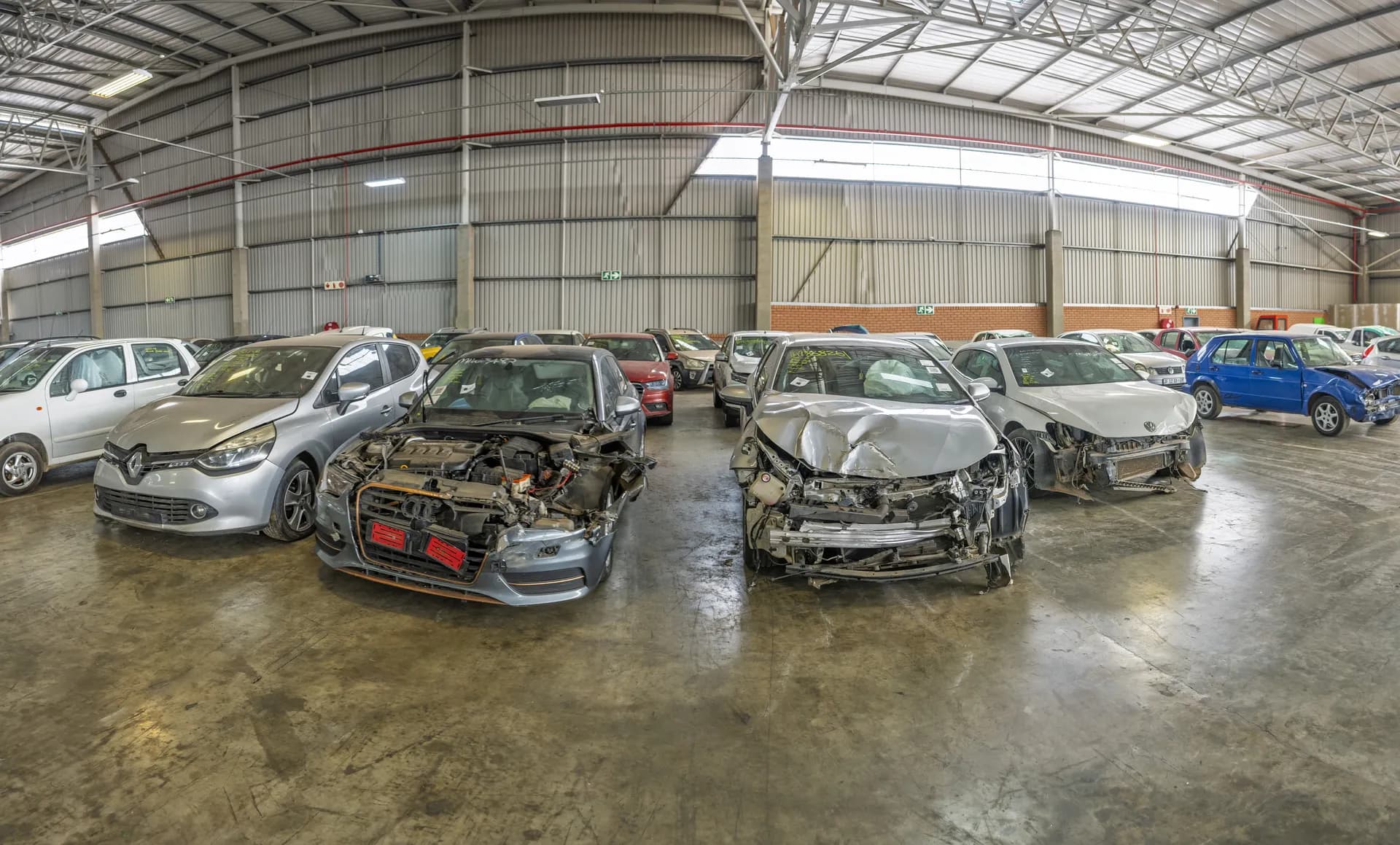
Main value drivers
Damage type, parts availability, mileage and market demand determine offers.
Repair vs sell rules
If repairs approach half the vehicle value, selling is often the better option.
Paperwork & collection
Choose buyers who handle deregistration, finance settlement and free towing.
Why understanding damaged bakkie value factors matters
If your bakkie has been in an accident, suffered flood or fire damage, or is not running, several specific factors will shape any competitive cash offer. This guide explains those factors in a South African context so you can make an informed decision about repair versus sale.
Overview: key value drivers for a damaged bakkie
When valuing a damaged bakkie in South Africa, buyers and salvage assessors consider a combination of market, mechanical and legal elements. Important drivers include make and model demand (bakkies are in steady demand across metros like Johannesburg, Cape Town and Durban), the scope of damage (cosmetic vs structural), parts availability, mileage and service history, and whether the vehicle is under finance or has a written-off status. Regional market dynamics can shift offers - for example, strong demand for work-ready bakkies in Gauteng can support higher valuations than in smaller towns.
Primary factors at a glance
- Extent and type of damage (engine, chassis, body, electrical, flood, fire).
- Vehicle age, mileage and service history.
- Make/model desirability and parts availability in South Africa.
- Regional demand and salvage market conditions.
- Title status (written-off, salvage, or clear) and outstanding finance.
Repair cost vs value retained (estimate table)
The table below shows typical ranges for common repair categories and the approximate percentage of market value you might retain after repair. These are illustrative South African estimates (R = South African rand) and will vary by vehicle condition, age and local labour/parts costs.
| Repair type | Estimated repair cost (R) | Approx. value retained after repair |
|---|---|---|
| Minor cosmetic (panels, paint) | R2,000 - R15,000 | 70-90% of pre-damage market value |
| Mechanical repairs (engine/transmission) | R10,000 - R60,000+ | 40-75% depending on age and mileage |
| Structural/frame repairs | R20,000 - R80,000+ | Often 30-60% and sometimes considered uneconomical |
| Flood or fire damage | Varies widely (often high) | Can be 10-50% depending on severity |
When to sell versus repair a damaged bakkie
Deciding whether to repair or sell a damaged bakkie depends on an honest assessment of repair costs versus the likely retained value and the time and effort required. If repair costs are a large portion of the vehicle’s market value, or the vehicle has structural/frame damage, selling to a specialist buyer is often the lower-risk option. For advice on selling non-running vehicles, see this resource: Sell Non-Running Car.
Practical decision rules
- If estimated repairs exceed 40-50% of the market value, consider selling.
- Structural damage and deployed airbags usually reduce the case for repair.
- High-demand models with cheap parts may be worth repairing if costs are moderate.
For a clear view of what buyers look for and the service process when selling damaged vehicles, our overview explains how offers are calculated: How it works.
How the valuation process typically works
A specialist buyer assessing a damaged bakkie will combine visual inspection, photographs, service history and known market prices for parts and salvage. Key steps usually include: initial online or phone appraisal, photographic inspection, site appraisal (if needed), and a written offer. Services that provide free towing and paperwork handling remove logistical barriers and often produce faster settlements; compare features on the main site: Sell Your Damaged Car homepage.
Legal & paperwork considerations in South Africa
In South Africa you will need to manage documentation such as the vehicle registration document, proof of ID, and any finance settlement figures if the bakkie is bonded. Deregistration and transfer of ownership must follow regulations - buyers who assist with deregistration and settlement of finance can simplify the process for sellers. If your bakkie is under finance, inform your lender; outstanding debt affects net proceeds and may delay transfer.
Damage types vs typical offer impact
| Damage type | Typical impact on offers | Buyer considerations |
|---|---|---|
| Cosmetic scratches and dents | Minor impact if no structural issues | Repair cost low; resale easier in busy markets |
| Front/rear collision (repairable) | Moderate reduction depending on parts cost | Parts availability and alignment issues are checked |
| Structural/frame damage | Significant reduction; often uneconomical to repair | Safety and repairability are core concerns |
| Engine or transmission failure | Wide impact depending on replacement cost | Buyers assess cost of reconditioning or donor units |
| Flood or fire damage | Major impact; often classified as salvage | Corrosion and electrical faults can be long-term issues |
Tips to maximise the value of a damaged bakkie
- Present clear photos and an accurate damage description - transparent information builds trust with buyers.
- Provide service history and proof of maintenance to reduce perceived risk.
- Disclose finance and title status early - unresolved finance can reduce net proceeds.
- Consider targeted repairs: address simple mechanical issues that unlock a significantly higher retained value; small, low-cost fixes can improve offers.
- Get multiple appraisals if unsure and use a buyer who offers free towing and paperwork handling to reduce your costs.
What happens after collection
After you accept an offer, a trusted process typically follows: completion of sale paperwork, collection via arranged towing, settlement of outstanding finance (if any) and payment release. Many reputable buyers operating nationwide will arrange free towing from metros and surrounding regions, handle deregistration paperwork and provide near-instant payment once the vehicle is in their possession. Confirm timelines for payment and paperwork handling before completing the sale.
Further reading and services
If your bakkie does not run, our dedicated information on selling non-running vehicles explains common options and the typical process: Sell Damaged Cars. For an overall view of the sale process and what to expect from specialist buyers, see our company overview: About / How it works.
Sources
- South African Government - vehicle registration and related services
- AA South Africa - consumer guidance on buying and selling vehicles
- BusinessTech - market commentary on the South African used vehicle sector
Note: figures and percentage ranges in this article are illustrative estimates for South Africa and will vary by make, model, year and local market conditions. For a quick, specific appraisal based on your bakkie’s details and images, consider using a specialist buyer who provides a transparent online valuation and handles collection and paperwork.
Seasoned automotive specialists dedicated to helping you turn your damaged or non-running vehicle into cash fast and hassle-free.
Disclaimer: This content is for educational purposes only. Product availability, pricing, and specifications are subject to change. Always verify current details on the retailer's website before making a purchase. We may earn affiliate commissions from qualifying purchases.
Why sell your damaged car to us?

A Division of Auction Nation, the leading expert in selling damaged cars

Best price for your damaged car

Get a cash offer within 24h

We buy damaged cars in any condition

We buy accident- damaged cars still under finance

Free, no obligation offer on your vehicle
How We Calculate Your Damaged Car’s Value
Wondering how we calculate your car’s value? At Sell Your Damaged Car, we look at: Your car’s real condition, its salvage value, and the current market demand. It’s all about honesty, transparency, and fairness — that’s how we determine your offer.
Frequently Asked Questions
Get answers to common questions about Damage Types
Why Choose Sell Your Damaged Car?
Free Towing
Need a tow? We got you
Hassle Free
Get a cash offer within 24h!
Nationwide
Somewhere remote? No problem!
