
Costs of Repairing Salvage Cars in South Africa: What to Expect
Learn typical repair cost ranges (in R), what affects repair economics for salvage cars in South Africa, legal steps and whether to repair or sell.
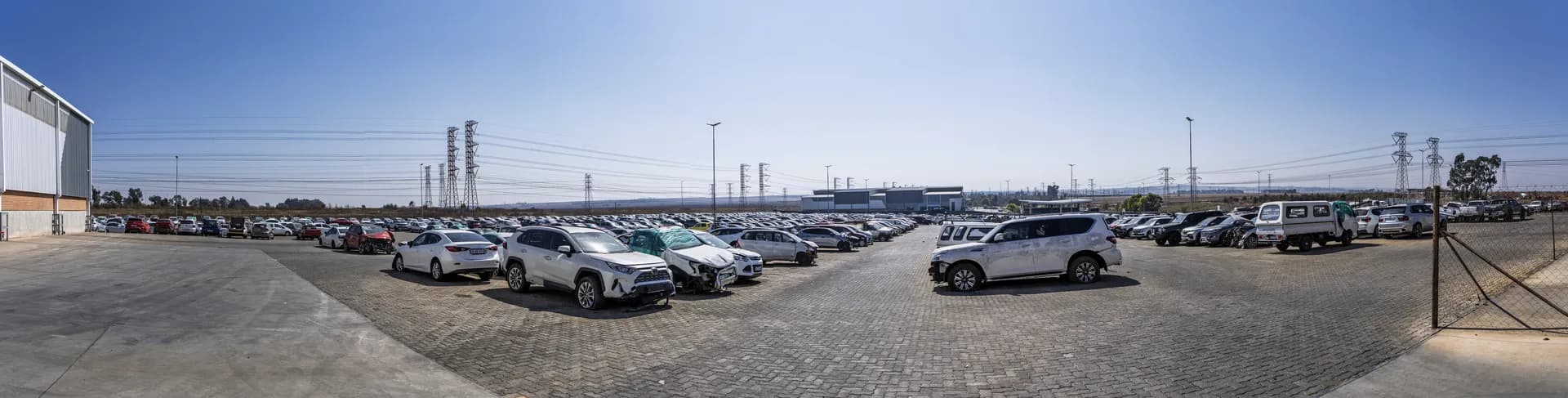
Repair Cost Components
Parts, labour, paint and compliance drive the total spend.
Fix or Sell Decision
Compare repair estimates against resale prospects and time to complete.
SA-Specific Steps
Consider deregistration, inspections and parts availability in metros.
Overview: Salvage cars and repair economics in South Africa
Salvage cars - vehicles classified as written-off by insurers or seriously damaged after an accident, flood or fire - present a wide range of repair costs. In South Africa, repair feasibility depends on the extent of structural damage, availability of parts, labour rates and regulatory compliance. This guide breaks down the typical cost components, illustrates estimated ranges in R (South African rand), and helps owners decide whether to repair or consider selling to a specialist buyer.
When to repair versus when to sell
Repairing can make sense when structural integrity is intact, spare parts are affordable and the post-repair market value exceeds combined repair and compliance costs. Conversely, if the vehicle has frame damage, major engine or transmission failure, or extensive electrical/flood damage, costs often escalate quickly. For owners unsure about options, our step-by-step process and valuation approach explain alternatives; learn more about our approach on the About / How it works page.
Key decision factors
- Extent of structural or chassis damage.
- Cost and availability of replacement parts for your make/model.
- Estimated labour hours and mechanic specialisation required.
- Insurance classification and whether the vehicle can be re-licensed.
- Market demand for repaired vehicles of that age and mileage.
How repair costs break down
Repair budgets typically include parts, labour, paint and panel work, alignment and diagnostics. Below are broad South Africa-focused examples (estimates only) to set expectations - final quotes depend on each vehicle and supplier:
| Cost Component | Typical Range (R, estimate) | Notes |
|---|---|---|
| Replacement mechanical parts (engine, gearbox) | R10,000 - R80,000+ | Depends on new vs used parts and model rarity. |
| Body repairs & panel beating | R3,000 - R40,000 | Includes dent repair, replacement panels and labour. |
| Paint & refinishing | R2,500 - R25,000 | Full respray vs touch-ups vary significantly by vehicle size. |
| Electrical and airbag systems | R1,500 - R30,000 | Airbag modules and wiring repairs can be costly and safety-critical. |
| Labour & diagnostics | R500 - R1,200 per hour | Rates vary by region and specialist workshops. |
| Compliance & inspection fees | R500 - R3,000+ | Roadworthy tests, stamping and deregistration/re-registration costs. |
Repair cost vs value retained (example ranges)
| Repair Spend (estimate) | Typical Value Retained After Repair | Context |
|---|---|---|
| R10,000 - R30,000 | 30% - 70% of cost recouped | Minor panel work or mechanical repairs on newer models. |
| R30,000 - R80,000 | 20% - 50% of cost recouped | Major structural/engine repairs; recoup depends on resale market. |
| R80,000+ | Variable; often less than cost | High-risk for older vehicles; often not economical unless rare/valuable model. |
These figures are illustrative: actual recoupment depends on model desirability, age, mileage and local market demand in cities like Johannesburg, Cape Town and Durban.
Damage types and typical impact on repair costs
| Damage Type | Typical Repair Cost Impact | Notes on safety/insurability |
|---|---|---|
| Minor cosmetic (bumper, light, fender) | Low - moderate | Usually straightforward; good recovery prospects. |
| Structural/frame damage | High | Safety-critical; may reduce resale and require certification. |
| Engine/transmission failure | High to very high | Major cost; consider replacement engines where available. |
| Flood/water damage | High and unpredictable | Electrical systems and corrosion create long-term risk. |
| Airbag deployment | Moderate to high | Airbag modules and sensors are safety-critical and costly. |
If you prefer to avoid repair uncertainty, consider selling as-is to a specialist; our Sell Non-Running Car page explains options for non-starters and heavily damaged vehicles.
How the repair process works in practice
A typical repair workflow: independent assessment, parts sourcing, repairs at an accredited workshop, safety inspections and re-registration or roadworthy certification if required. Labour availability and parts lead times in South Africa affect turnaround and costs - metropolitan areas like Johannesburg often have faster access to parts than remote towns. If you are considering alternatives to repair, our process for offers and collection is transparent and nationwide; see our Sell Damaged Cars page for details.
Legal & paperwork considerations in South Africa
Repaired written-off vehicles may require additional inspections and disclosure at sale. Deregistration, transfer of ownership and roadworthy certification are common steps. If the vehicle was under finance, settle or confirm the lender’s consent before repairs or sale to avoid legal complications. Many owners choose a specialist buyer to handle deregistration and admin - our nationwide service includes paperwork assistance and free towing from metros and surrounding areas.
Tips to maximise value if you repair
- Obtain multiple quotes for parts and labour to compare costs.
- Use quality used parts for older vehicles to reduce spend while maintaining safety.
- Prioritise structural and safety repairs; cosmetic work can be staged later.
- Keep detailed invoices and inspection certificates - they improve buyer confidence.
What happens after repair or sale
After repairs, keep records of all work and ensure any required certification is in place. If selling instead, specialist buyers can collect the vehicle nationwide, handle documentation including deregistration where applicable, and arrange payment. For owners who want a quick, low-administration outcome, our online valuation and collection process can be an efficient alternative; start from the homepage to upload vehicle details and images.
Practical South Africa example (experience-based)
A common scenario: a 10-year-old sedan with rear-end structural damage. Repair estimates from local bodyshops may range from R25,000 to R60,000 depending on whether replacement panels and alignment are needed. Given typical resale demand for older models, owners often compare this repair cost against selling as-is to avoid lengthy repair timelines and additional hidden issues like wiring or water ingress. These figures are illustrative and should be confirmed with quotes in your area.
Practical takeaway: For many South African owners, especially outside big metros, repair costs can escalate quickly. Get detailed quotes, check part sourcing times and consider a competitive cash offer if repair risk and costs are high.
Sources
Seasoned automotive specialists dedicated to helping you turn your damaged or non-running vehicle into cash fast and hassle-free.
Disclaimer: This content is for educational purposes only. Product availability, pricing, and specifications are subject to change. Always verify current details on the retailer's website before making a purchase. We may earn affiliate commissions from qualifying purchases.
Why sell your damaged car to us?

A Division of Auction Nation, the leading expert in selling damaged cars

Best price for your damaged car

Get a cash offer within 24h

We buy damaged cars in any condition

We buy accident- damaged cars still under finance

Free, no obligation offer on your vehicle
How We Calculate Your Damaged Car’s Value
Wondering how we calculate your car’s value? At Sell Your Damaged Car, we look at: Your car’s real condition, its salvage value, and the current market demand. It’s all about honesty, transparency, and fairness — that’s how we determine your offer.
Frequently Asked Questions
Get answers to common questions about Comparison And Alternatives
Why Choose Sell Your Damaged Car?
Free Towing
Need a tow? We got you
Hassle Free
Get a cash offer within 24h!
Nationwide
Somewhere remote? No problem!
