
Cost comparison for storm-damaged vehicles in South Africa: repair vs sell
Compare repair costs and retained value for storm-damaged vehicles in South Africa. Learn when to repair or sell, legal steps, and tips to maximise offers.
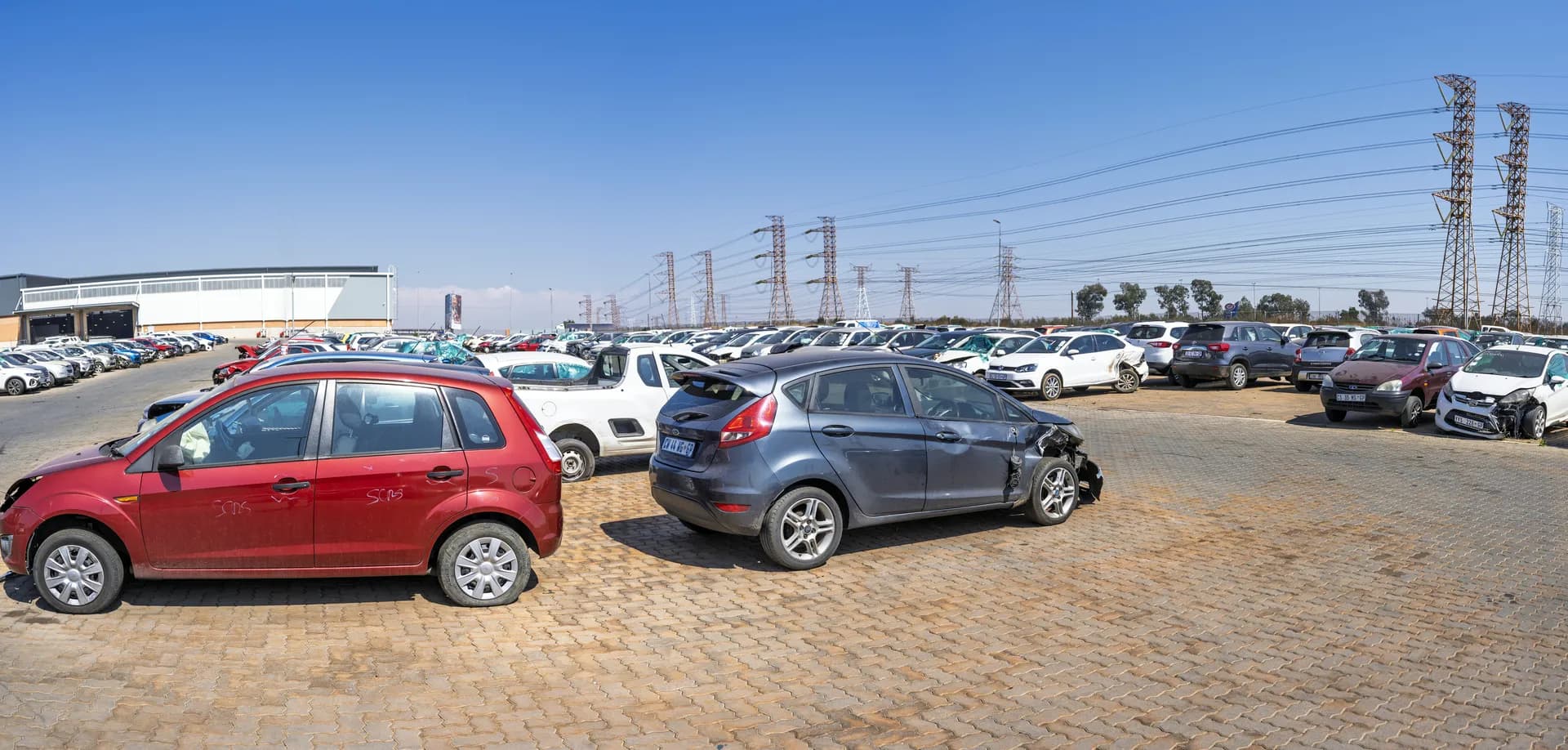
Compare repair vs sell
Use repair cost ranges and retained value to decide whether to repair or sell.
Storm damage types matter
Flood and structural damage reduce offers more than superficial hail or glass faults.
SA practical steps
Document damage, check finance, and consider a specialist buyer with free towing.
Overview: storm damage and the financial question
Severe storms, hail, flooding and falling debris can leave vehicles with a wide range of damage: body dents, broken glass, electronic faults, water ingress and engine damage. Owners across Johannesburg, Cape Town, Durban and smaller towns face the same core decision: invest in repairs or accept a cash offer and move on. This cost comparison for storm-damaged vehicles in South Africa explains common damage types, typical repair ranges, market factors that affect offers, and practical next steps for owners and small fleets.
How to use this guide
Read the repair cost vs value retained table for quick comparisons, then review the When to sell vs repair section to match costs with your priorities. For an immediate practical route to sell, our homepage explains how an online valuation and free nationwide towing work when you choose to sell rather than repair: Sell Your Damaged Car.
Common storm damage types and market effect
- Hail and panel damage - often visible, lowers retail value and can be expensive to fix if panels need replacement.
- Glass damage - windscreens and windows are straightforward to replace but cost varies with sensors and heated glass.
- Flood/water ingress - can cause long-term electrical and engine issues; insurers/salvage buyers treat these more conservatively.
- Debris impact / structural damage - can affect alignment and safety systems; repair costs escalate with frame work.
| Repair cost vs value retained (estimates for SA, R) | Typical repair cost (R) | Estimated value retained after repair |
|---|---|---|
| Minor hail / dents | R2,000 - R10,000 | 80-95% of pre-damage retail value (depends on finish quality) |
| Glass replacement (no sensors) | R1,000 - R4,000 | 90-98% of pre-damage value |
| Moderate bodywork + parts | R10,000 - R40,000 | 60-85% (service history and repair quality affect resale) |
| Flood damage (minor electronics) | R15,000 - R60,000+ | 30-70% (higher risk; buyers discount heavily) |
| Severe structural / engine damage | R50,000 - R200,000+ | Often declared written-off; retained value depends on salvage market |
Note: these figures are illustrative ranges based on common repair quotes in South Africa and can vary by region, vehicle age, make and labour rates in metros such as Cape Town and Johannesburg. Always get written quotes for specific estimates.
When to sell vs repair
Deciding whether to repair or sell a storm-damaged vehicle depends on three practical factors: repair cost relative to current market value, the vehicle's age and service history, and how quickly you need a reliable vehicle or cash. If repair cost approaches or exceeds 40-60% of the pre-damage retail value, many owners find selling to a specialist buyer is the more economical and lower-risk choice. Owners with recent service records and low mileage may prefer repairs when costs are modest.
Scenarios
- Daily commuter with moderate cosmetic damage: repair may be worthwhile if cost is low and safety isn’t affected.
- Older vehicle with flood-related electrical faults: selling saves the ongoing risk of hidden faults and repeated workshop bills.
- Small business fleet where downtime costs matter: selling a heavily damaged unit can be faster and lower total cost than extended repairs.
If you need an example of how the sale process works for non-running or damaged vehicles, our Sell Non-Running Car page outlines the simple online valuation flow and nationwide collection: Sell Non-Running Car.
How the process works when you choose to sell
A typical specialist buyer workflow in South Africa is straightforward: you submit vehicle details and photos, receive a transparent offer based on condition and salvage demand, accept or decline, and if accepted the buyer arranges collection and handles paperwork. Sellers benefit from free towing, assistance with deregistration and fast payment where offered. For an overview of how we operate and what to expect, see our About page: How it works.
Damage types vs typical offer impact
| Damage type | Typical effect on offers | Seller considerations |
|---|---|---|
| Cosmetic hail dents | Moderate reduction; higher if many panels | Obtain paintless dent repair quotes for comparison |
| Partial glass damage (windscreen) | Small effect unless sensors are involved | Confirm if windscreen includes cameras or sensors-replacement cost varies |
| Water/flood ingress | Significant discount; offers reflect long-term risk | Document the extent of water exposure and obtain a workshop inspection if possible |
| Frame / structural damage | Large reduction; may be classed as written-off | Get a professional structural report if disputing a classification |
Legal & paperwork considerations in South Africa
When selling a storm-damaged vehicle in SA, ensure ownership is clear and any finance is disclosed. Vehicles still under finance typically require settlement of the finance balance before full transfer. Buyers that handle paperwork usually help with deregistration and the transfer process. Report substantial storm incidents to your insurer and, if required, obtain a police case number before sale. Our Sell Damaged Cars page explains documentation commonly required for a smooth sale: Sell Damaged Cars.
Practical checklist
- Vehicle registration document / proof of ownership
- Service history and receipts (if available)
- Photos showing all damage and odometer reading
- Any finance or insurance claim documents
Tips to maximise your offer
To get the best competitive cash offer for a storm-damaged vehicle in South Africa, be transparent about damage, provide clear photos, include accurate mileage and service history, and be prepared to answer follow-up questions. Small, low-cost fixes - for example replacing a broken bulb or securing loose trim - can improve perceived condition, but avoid expensive repairs that exceed the difference between the repair cost and the likely uplift in offer value.
What happens after collection
After you accept a specialist buyer offer, the typical sequence is: arrange a collection date, the buyer collects the vehicle (often with free nationwide towing), paperwork is completed, and payment is released. Keep proof of transfer and payment. If the vehicle was under finance, confirm settlement instructions and get written confirmation that the finance account is cleared.
Example South Africa scenarios
- Johannesburg: hail-dented 2012 hatchback - owner compares R8,000 repair estimate vs competitive cash offers reflecting reduced resale demand.
- Cape Town: low-mileage SUV with partial flooding - owner chooses sale to avoid future electrical faults and repeated workshop visits.
- Durban fleet: truck with debris damage - operator sells damaged unit and immediately replaces with a hire while avoiding long repair lead times.
Sources
Seasoned automotive specialists dedicated to helping you turn your damaged or non-running vehicle into cash fast and hassle-free.
Disclaimer: This content is for educational purposes only. Product availability, pricing, and specifications are subject to change. Always verify current details on the retailer's website before making a purchase. We may earn affiliate commissions from qualifying purchases.
Why sell your damaged car to us?

A Division of Auction Nation, the leading expert in selling damaged cars

Best price for your damaged car

Get a cash offer within 24h

We buy damaged cars in any condition

We buy accident- damaged cars still under finance

Free, no obligation offer on your vehicle
How We Calculate Your Damaged Car’s Value
Wondering how we calculate your car’s value? At Sell Your Damaged Car, we look at: Your car’s real condition, its salvage value, and the current market demand. It’s all about honesty, transparency, and fairness — that’s how we determine your offer.
Frequently Asked Questions
Get answers to common questions about Comparison And Alternatives
Why Choose Sell Your Damaged Car?
Free Towing
Need a tow? We got you
Hassle Free
Get a cash offer within 24h!
Nationwide
Somewhere remote? No problem!
