
Contract When Selling a Flood-Damaged Car in South Africa - Key Clauses & Paperwork
Learn what to include in a contract when selling a flood-damaged car in South Africa: disclosure, payment terms, finance settlement, transfer and practical tips.
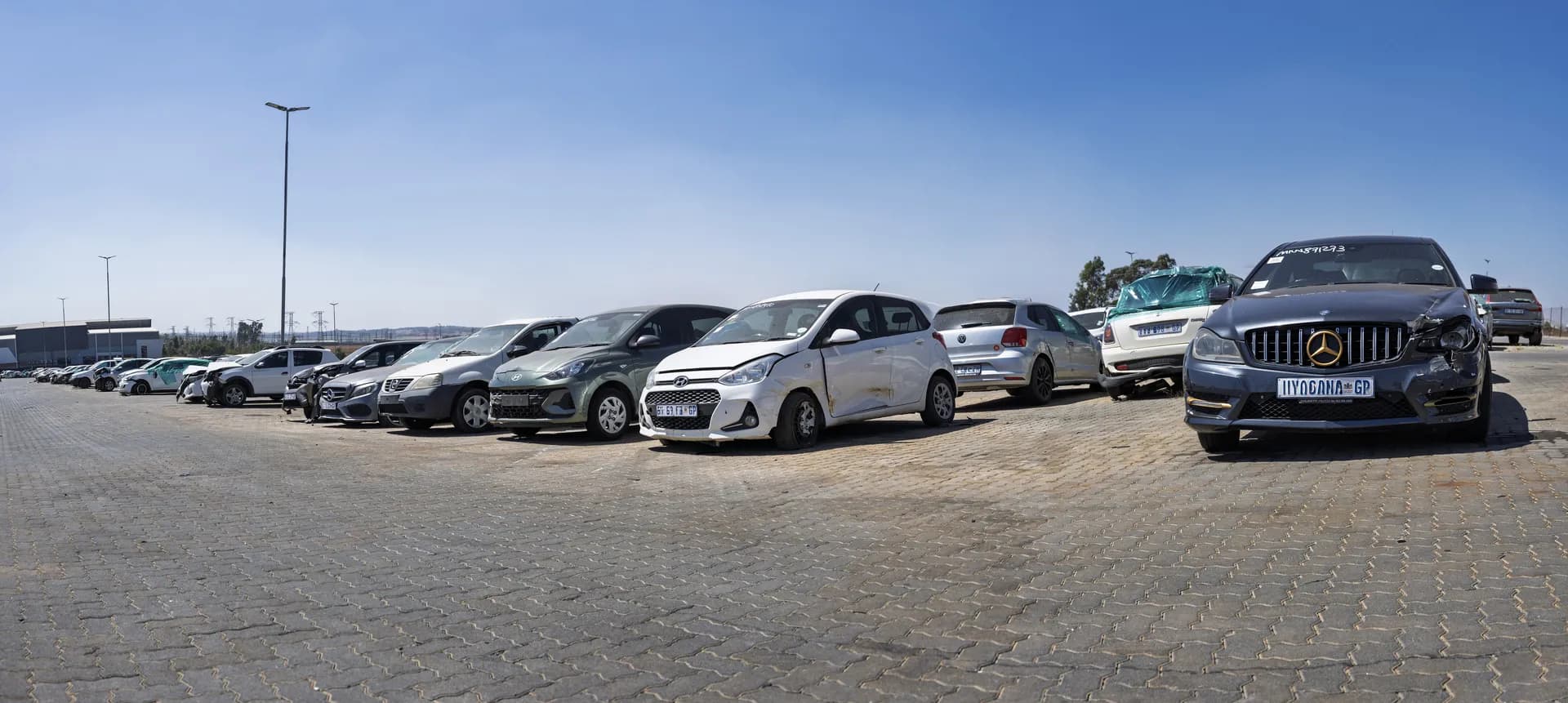
Full Written Disclosure
Record flood damage and attach dated photos to the contract.
Clear Transfer Terms
State who handles deregistration and payment timelines.
Finance & Proofs
Obtain a lender clearance letter if the car is bonded.
Overview
Selling a flood-damaged car in South Africa requires clear, honest contracts and correct paperwork to protect both seller and buyer. Flood damage can affect electrics, engines and hidden components; it also changes a vehicle’s marketability and how offers are made. This guide explains what to include in a sale contract, your disclosure obligations under South African consumer and contract norms, and practical steps to reduce risk when transferring a flood-damaged vehicle.
When to sell vs repair a flood-damaged car
Deciding whether to repair or sell depends on repair estimates, current retail value and long-term reliability. Repairs that approach or exceed the pre-damage market value often make selling a more practical choice. In the South African context, consider transport costs, parts availability and whether insurers have written the vehicle off.
Quick comparative table: repair cost vs value retained (estimates for SA)
| Typical repair band | Estimated repair cost (R) | Typical value retained after repair (approx.) |
|---|---|---|
| Minor water ingress | R5,000 - R20,000 | 70%-90% of pre-damage value |
| Moderate flooding (electrical, carpets) | R20,000 - R60,000 | 50%-75% of pre-damage value |
| Severe flooding (engine/systems) | R60,000+ | 30%-60% of pre-damage value |
These figures are indicative ranges in a South African context and will vary by make, model, age and local parts costs. Use them only as a rough benchmark when deciding whether to invest in repairs or offer the vehicle for sale as-is.
How the sale process typically works
A clear contract and proper transfer steps speed up sale completion and reduce dispute risk. For practical guidance on how a specialist buyer handles damaged vehicles, see our About / How it works page for the process flow used by professional buyers in South Africa.
- Prepare documentation (ID, vehicle registration, service history where available).
- Disclose all known flood-related issues in writing within the contract.
- Agree written payment and collection terms, including who arranges towing.
- Clear any finance or supply a settlement letter from the financier where applicable.
- Complete transfer or deregistration steps with the licensing authority after payment.
Practical note: If you expect a buyer to collect the vehicle, set explicit collection and inspection windows in the contract and confirm whether the buyer pays on acceptance or upon physical collection.
Specialist services that buy flood-damaged cars often provide free nationwide towing and handle paperwork. For details on selling damaged vehicles in any condition, our Sell Damaged Cars page explains typical inclusions and what to expect during sale and collection.
Legal & paperwork considerations in South Africa
Contracts for selling a flood-damaged car should clearly allocate responsibility and record the facts. Key legal and administrative points to include or confirm:
Essential contract elements
- Full disclosure clause describing the flood damage, date discovered and extent known by the seller.
- An as-is clause that states the buyer accepts the car in its current condition, subject to full disclosure.
- Payment terms that specify cleared funds or bank transfer before transfer of ownership.
- Transfer/deregistration responsibilities and timelines-who completes change of ownership with the licensing authority.
- Finance settlement confirmation: a clause requiring the seller to produce a clearance letter from the lender if the vehicle is bonded.
- Indemnity wording where appropriate (limited and reasonable) to avoid future disputes about undisclosed defects.
Documents typically needed in SA
- Certified copy of the seller’s South African ID or company registration documents.
- Current vehicle registration certificate (or licensing disc copy) and keys.
- Written statement describing flood damage (signed by seller).
- If applicable, a financier settlement letter showing the bond is cleared or how settlement will occur.
- Proof of payment method and bank details for final transfer of funds.
Damage types vs typical offer impact (illustrative)
| Damage type | Common inspection concerns | Typical commercial outcome |
|---|---|---|
| Interior/carpets soaked | Mould, wiring corrosion, odour | Minor-moderate reduction; often repairable |
| Electrical components affected | Sensors, ECU damage, intermittent faults | Significant offer impact; specialist inspection needed |
| Engine/subframe submerged | Corrosion, hydrolock risk, major rebuilds | Major reduction; often sold for parts/salvage |
Buyers and trade purchasers value transparency. A clear contract listing flood-related issues reduces negotiation time and legal risk. If the vehicle is under finance, involve the lender early-failure to settle the bond before transfer can invalidate the sale or create liabilities for the buyer.
For sellers who prefer an organised sale route with handling of paperwork and collection, see our Sell Non-Running Car guidance and consider providers who offer nationwide free towing and transfer support.
Tips to maximise clarity and reduce disputes
- Document the damage with dated photos and add them as contract annexures.
- Keep written records of all communications and payment receipts.
- Use bank transfers or verifiable payment methods and state in the contract when funds are considered cleared.
- If a car was insured, include insurer correspondence about whether the vehicle was written off.
- Consider a short, clear buyer inspection window in the contract to avoid later claims about undisclosed issues.
What happens after collection
After a buyer collects the vehicle, ensure you retain copies of the signed contract and a proof-of-collection form showing date, time and odometer reading. Follow up to confirm that transfer or deregistration with the licensing authority has been initiated. Many specialist buyers complete deregistration on behalf of sellers; check the contract to confirm who is responsible and within what timeframe.
If you want a general starting point for selling a damaged vehicle or an online valuation process, our homepage explains the steps used by reputable buyers, including offer assessment, free towing nationwide and paperwork handling for sellers across Johannesburg, Cape Town, Durban and surrounding regions.
Sources
Seasoned automotive specialists dedicated to helping you turn your damaged or non-running vehicle into cash fast and hassle-free.
Disclaimer: This content is for educational purposes only. Product availability, pricing, and specifications are subject to change. Always verify current details on the retailer's website before making a purchase. We may earn affiliate commissions from qualifying purchases.
Why sell your damaged car to us?

A Division of Auction Nation, the leading expert in selling damaged cars

Best price for your damaged car

Get a cash offer within 24h

We buy damaged cars in any condition

We buy accident- damaged cars still under finance

Free, no obligation offer on your vehicle
How We Calculate Your Damaged Car’s Value
Wondering how we calculate your car’s value? At Sell Your Damaged Car, we look at: Your car’s real condition, its salvage value, and the current market demand. It’s all about honesty, transparency, and fairness — that’s how we determine your offer.
Frequently Asked Questions
Get answers to common questions about Legal And Paperwork
Why Choose Sell Your Damaged Car?
Free Towing
Need a tow? We got you
Hassle Free
Get a cash offer within 24h!
Nationwide
Somewhere remote? No problem!
