
Comprehensive vs Third-Party Insurance for Damaged Cars in South Africa: What Owners Should Know
Compare comprehensive and third-party cover for damaged cars in South Africa. Learn when to claim, repair or sell, paperwork requirements and tips to maximise your outcome.
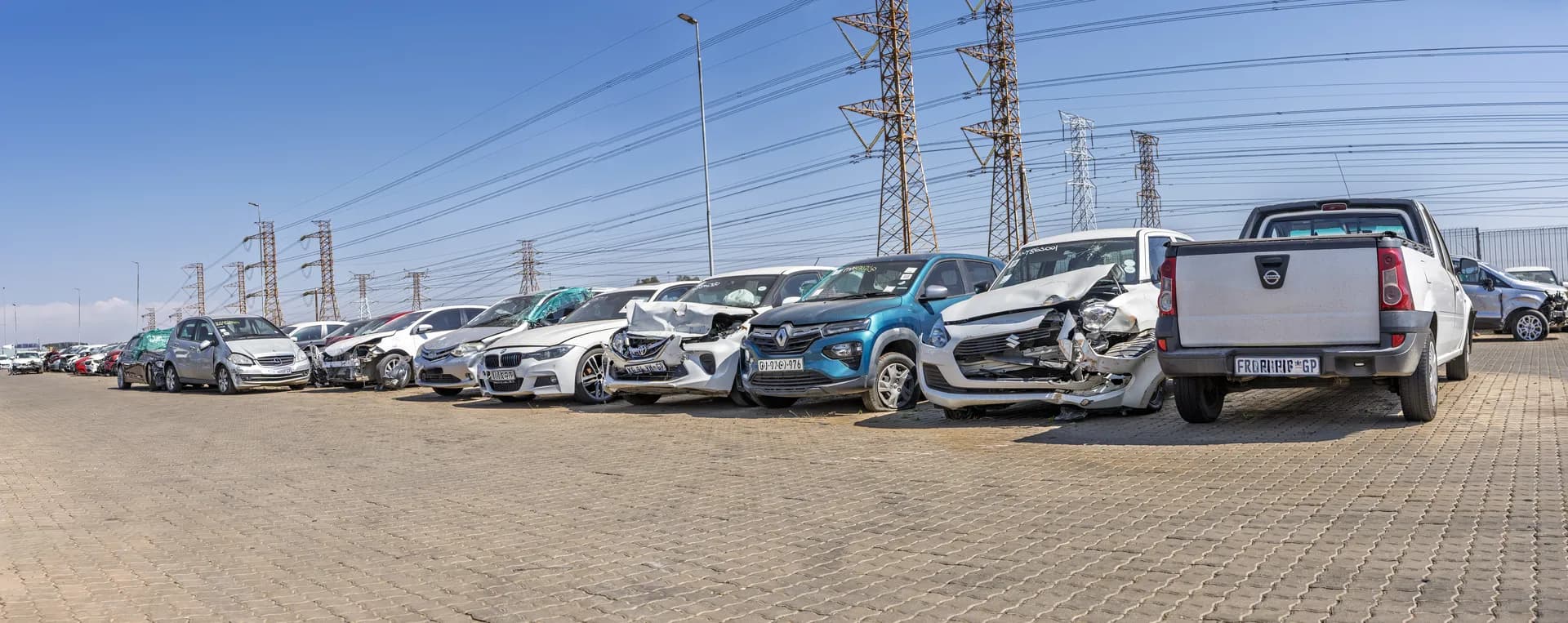
Cover Differences
Comprehensive covers your vehicle; third-party usually does not.
Sell vs Claim Checklist
Compare excess, repair cost, premium impact and vehicle age.
Nationwide Practical Steps
Prepare photos, documents and consider specialist buyers for fast sales.
Overview: comprehensive vs third-party insurance for damaged cars in South Africa
When a vehicle is damaged, owners in Johannesburg, Cape Town, Durban and other parts of South Africa must decide whether to claim on insurance, repair, or sell. The choice often depends on the policy type - comprehensive or third-party - and how that policy treats repair costs, write-offs and excesses. This guide explains the practical differences, how each affects damaged cars and the steps you can take if you decide selling is the best option. It also explains how services that buy damaged vehicles handle paperwork, towing and payment.
Key differences at a glance
- Comprehensive cover typically includes damage to your own vehicle, subject to excess and policy limits.
- Third-party (and third-party, fire & theft) generally does not cover your vehicle’s damage caused by an insured third party.
- Claiming can affect premiums and future insurability; some owners choose to sell a damaged vehicle instead of repairing it.
Note: Insurance terms vary by insurer. Always read your policy schedule for cover limits, excesses and write-off definitions before lodging a claim.
Repair cost vs value retained (typical South Africa examples)
| Repair cost (estimate) | Likely retained market value | Typical owner decision |
|---|---|---|
| R3,000 - R10,000 | Minor drop - remains close to pre-accident value | Repair; likely claim if comprehensive |
| R10,000 - R40,000 | Moderate reduction; branded-history affects resale | Repair if insured; consider selling if uninsured or high excess |
| Above R40,000 | Significant value loss; possible write-off | Often declared total loss; owners may accept insurer settlement or sell to salvage buyer |
When to claim vs repair vs sell
Deciding whether to use insurance or sell a damaged car depends on policy cover, excess amount, projected premium increase and the vehicle’s market value after repair. For many South African owners, especially with older cars or high excesses, selling a damaged vehicle can be faster and lower stress than managing claims and repairs.
Situations favouring a claim (comprehensive)
- Damage is minor relative to the vehicle’s market value and excess (you won’t pay more in excess + higher premium than repair cost).
- Your policy explicitly covers the type of damage (collision, fire, flood where included).
- Vehicle has low mileage and high resale value post-repair.
Situations favouring selling the damaged car
- Vehicle is non-running, written-off by an insurer, or repair estimates are close to or exceed market value.
- You hold third-party-only cover and repairs to your own vehicle are not covered.
- You prefer a fast cash solution and to avoid claims-related premium increases or lengthy repair timelines.
If you want a clear view of selling options and an efficient process for non-running or severely damaged cars, review how industry services streamline valuation and collection on the About / How it works page.
Damage types vs typical offer impact
| Damage type | Typical impact on valuation | Notes |
|---|---|---|
| Cosmetic (bumper, paint) | Low to moderate | Often economical to repair; insurer decisions vary |
| Structural/frame damage | High | May be declared a write-off by insurers |
| Engine/transmission failure | High | Often uneconomic to repair on older vehicles |
| Flood or fire | High to total loss | Specialist inspection required; insurers may write off |
For owners leaning toward selling rather than repairing, our Sell Damaged Cars page shows typical steps for fast sale and free collection across South Africa: Sell Damaged Cars.
How the process works if you sell a damaged car
Selling a damaged vehicle to a specialist buyer is usually simpler than arranging repairs or waiting on complex insurance settlements. Typical steps include online valuation, an obligation-free offer, scheduling free towing and transferring paperwork. Services that operate nationwide can collect from metros and surrounding regions - useful if your car is non-running or written off.
Legal & paperwork in South Africa
When selling a damaged car you must follow legal steps: transfer ownership correctly, settle any outstanding finance where applicable, and handle deregistration if the insurer has written the vehicle off. If a vehicle is under finance, the lender usually needs to be paid from the insurance settlement or sale proceeds; check your loan agreement before proceeding.
- Provide ID and proof of ownership (certified copy of registration document).
- Disclose prior damage and any insurer write-off status.
- Complete a proper transfer with the buyer and get a receipt for payment.
If you need a fast route for non-running vehicles, see the Sell Non-Running Car page for tailored guidance and examples of collection arrangements: Sell Non-Running Car.
Tips to maximise your offer (practical, SA-focused)
- Prepare clear photos of the vehicle and all damage - multiple angles help assessors quickly.
- Gather documentation: service history, registration papers and any insurer correspondence.
- Be honest about damage to avoid delays at transfer; transparent listings often result in faster collection and payment.
- If under finance, notify your lender early and get a payoff figure to speed settlement.
What happens after collection
After you accept an offer and the vehicle is collected, the buyer typically handles deregistration paperwork and settles any agreed payment. Many specialist buyers offer near-instant payment verification once collection is done. This reduces the administrative burden on sellers and speeds closure - particularly helpful for private owners and small fleets across South Africa.
For an overview of how a nationwide service streamlines valuation, towing and payment, check the company homepage: Sell Your Damaged Car home.
Final considerations
Choosing between claiming under comprehensive cover or selling directly depends on financials (excess, likely premium changes), vehicle condition and personal priorities (speed vs repair). In many South African scenarios - older vehicles, high repair costs, or third-party-only cover - selling to a specialist can be the clearer, lower-effort option.
Sources
- Financial Sector Conduct Authority (FSCA) - consumer guidance on insurance
- South African Government - transport, registration and consumer regulations
- South African Insurance Association (SAIA) - industry information and FAQs
If your priority is a quick, low-administration sale for a damaged or non-running vehicle, services that provide instant online valuation, free nationwide towing and handled paperwork can reduce risk and time. Review policy details before claiming, and compare the cost of repairs plus potential premium increases against the convenience and speed of selling.
Seasoned automotive specialists dedicated to helping you turn your damaged or non-running vehicle into cash fast and hassle-free.
Disclaimer: This content is for educational purposes only. Product availability, pricing, and specifications are subject to change. Always verify current details on the retailer's website before making a purchase. We may earn affiliate commissions from qualifying purchases.
Why sell your damaged car to us?

A Division of Auction Nation, the leading expert in selling damaged cars

Best price for your damaged car

Get a cash offer within 24h

We buy damaged cars in any condition

We buy accident- damaged cars still under finance

Free, no obligation offer on your vehicle
How We Calculate Your Damaged Car’s Value
Wondering how we calculate your car’s value? At Sell Your Damaged Car, we look at: Your car’s real condition, its salvage value, and the current market demand. It’s all about honesty, transparency, and fairness — that’s how we determine your offer.
Frequently Asked Questions
Get answers to common questions about Comparison And Alternatives
Why Choose Sell Your Damaged Car?
Free Towing
Need a tow? We got you
Hassle Free
Get a cash offer within 24h!
Nationwide
Somewhere remote? No problem!
