
Comparing Prices for Salvage Car Sales in South Africa: A Practical Guide
Learn how to compare salvage car offers in South Africa, what affects valuations, and practical tips to maximise the cash you receive for a damaged or written-off vehicle.
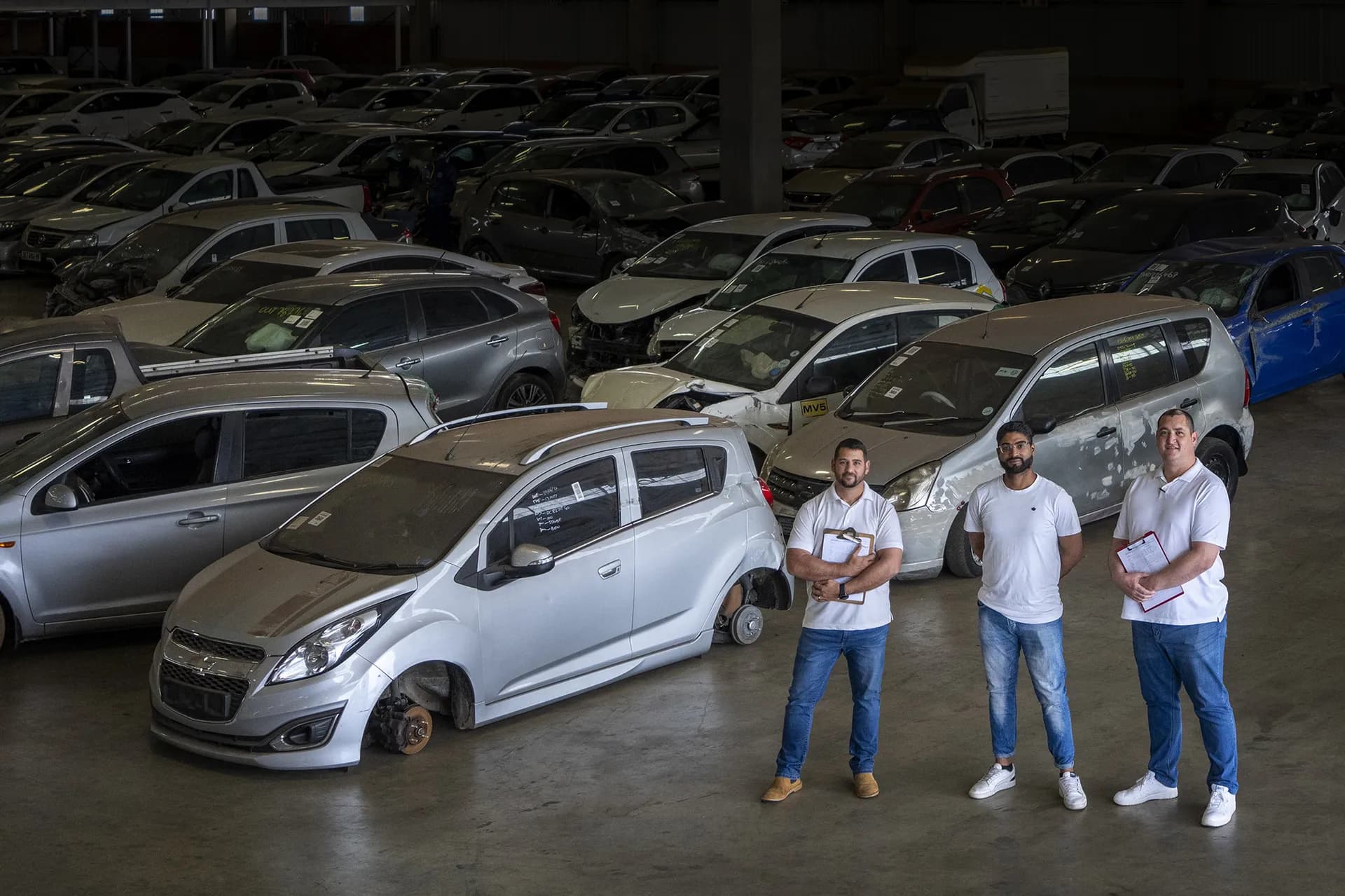
Overview: What 'salvage' means and why prices vary
Salvage or written-off vehicles are those that insurers, repairers or owners consider uneconomic to repair. When selling a salvage car in South Africa, prices vary widely because buyers consider repair cost, parts demand, legal status, and resale channels. This guide explains the key factors that influence salvage car offers, how to compare prices fairly, and practical steps to protect your value when selling a damaged or non-running vehicle.
Who buys salvage cars and how they value them
Buyers include salvage yards, rebuilders, export traders, and car-buying services. Each buyer uses a different valuation model: some focus on usable parts, others on repair-to-sell margins, and some on scrap metal value. Prices reflect supply and demand in the local market (Cape Town, Johannesburg, Durban and surrounds) and the specific vehicle details you provide.
Key price drivers
- Extent of damage - structural, electrical, flood or cosmetic.
- Make, model and year - parts demand affects offers.
- Mileage and service history - lower mileage typically raises value.
- Marketability - vehicles popular in the parts or rebuild market fetch more.
- Location and collection logistics - remote pickups can lower net offers, while services offering free towing can preserve more value for the seller.
Repair cost vs value retained (typical examples for SA)
| Repair estimate (R) | Typical retained value if repaired | Typical salvage offer range |
|---|---|---|
| R10,000 | +R8,000 (depends on demand) | R2,000-R6,000 |
| R50,000 | +R35,000 (model-dependent) | R8,000-R25,000 |
| R120,000+ | Variable; may exceed repair cost for desirable models | R20,000+ |
Note: Figures are illustrative estimates for South Africa in 2025 and will vary by region, buyer and vehicle. Use them to compare relative outcomes, not as definitive quotes.
Damage types and their typical impact on offers
| Damage type | Typical offer impact |
|---|---|
| Cosmetic (panels, paint) | Smaller reduction; parts resale possible |
| Mechanical (engine, transmission) | Significant reduction; valued for parts or rebuild projects |
| Structural/frame damage | Major reduction; often sold for parts/scrap |
| Flood/fire damage | Severe reduction; electrical systems affected, lower offers |
How to compare salvage car prices fairly
When you receive multiple offers, compare them on like-for-like terms. Ask each buyer to confirm:
- What's included: free towing, paperwork handling, deregistration assistance?
- Any deductions for location, outstanding finance, or missing documents.
- Payment timing and method (bank transfer on collection, cheque, or other).
Common sale scenarios and decision rules
- If repair costs exceed market value: selling as salvage often yields more net value and saves time.
- If the vehicle has high part demand (popular model): consider offers from dismantlers who pay more for usable components.
- If you have outstanding finance: notify the lender; many buyers will assist with settlement but confirm the process ahead of time.
Practical tips to maximise the offer
- Provide clear photos (multiple angles) and an honest damage description - transparency builds trust and reduces low-ball offers.
- Gather documents: registration papers, service history, and proof of ownership if available.
- Compare offers that include free towing and paperwork handling - these increase net proceeds by avoiding transport costs and admin hassles.
- Consider turnaround time - faster collection and payment can be more valuable than a marginally higher offer.
Legal & paperwork notes for South Africa
Sellers must transfer ownership correctly to avoid future liability. Deregistration or transfer is typically handled by the buyer or an agent; confirm who completes forms and if outstanding finance will be settled. If your vehicle is on finance, the payout usually goes to the lender first - get written confirmation from any buyer about how they will manage this process.
Example comparison (Johannesburg scenario)
You receive three offers for a damaged mid-range sedan with non-running engine:
- Buyer A: R18,000 - includes free towing and handles deregistration; payment on collection.
- Buyer B: R20,000 - excludes towing; will deduct R2,500 for collection from a non-metropolitan area.
- Buyer C: R19,000 - includes towing but payment delayed until paperwork clears (5-10 business days).
Net comparison: Buyer A and B effectively offer similar cash after factoring towing; Buyer A offers quicker payment and admin handling, making it preferable despite the slightly lower headline figure.
What happens after you accept an offer
- Confirm collection date and ensure documents and keys are available.
- Buyer completes transfer or deregistration paperwork; verify who lodges the forms with the licensing authority.
- Payment is made per agreement - verify bank details and get a receipt on collection.
Sources
- Arrive Alive - Buying or selling a vehicle (transfer process)" (arrivealive.co.za)
- Road Traffic Management South Africa - Vehicle registration and licensing information
- Statistics South Africa - Motor vehicle market data and trends
- Sell Damaged Cars - Sell Your Damaged Car service details
- Sell Non-Running Car - Sell Your Damaged Car guidance
Seasoned automotive specialists dedicated to helping you turn your damaged or non-running vehicle into cash fast and hassle-free.
Disclaimer: This content is for educational purposes only. Product availability, pricing, and specifications are subject to change. Always verify current details on the retailer's website before making a purchase. We may earn affiliate commissions from qualifying purchases.
Why sell your damaged car to us?

A Division of Auction Nation, the leading expert in selling damaged cars

Best price for your damaged car

Get a cash offer within 24h

We buy damaged cars in any condition

We buy accident- damaged cars still under finance

Free, no obligation offer on your vehicle
How We Calculate Your Damaged Car’s Value
Wondering how we calculate your car’s value? At Sell Your Damaged Car, we look at: Your car’s real condition, its salvage value, and the current market demand. It’s all about honesty, transparency, and fairness — that’s how we determine your offer.
Frequently Asked Questions
Get answers to common questions about Comparison And Alternatives
Why Choose Sell Your Damaged Car?
Free Towing
Need a tow? We got you
Hassle Free
Get a cash offer within 24h!
Nationwide
Somewhere remote? No problem!
