
Comparing Engine Swop vs Engine Failure Car Sales - Which Is Right in South Africa?
Compare engine swop and selling an engine-failure car in South Africa. Learn costs in R, legal steps, salvage impacts and tips to decide whether to repair or sell.
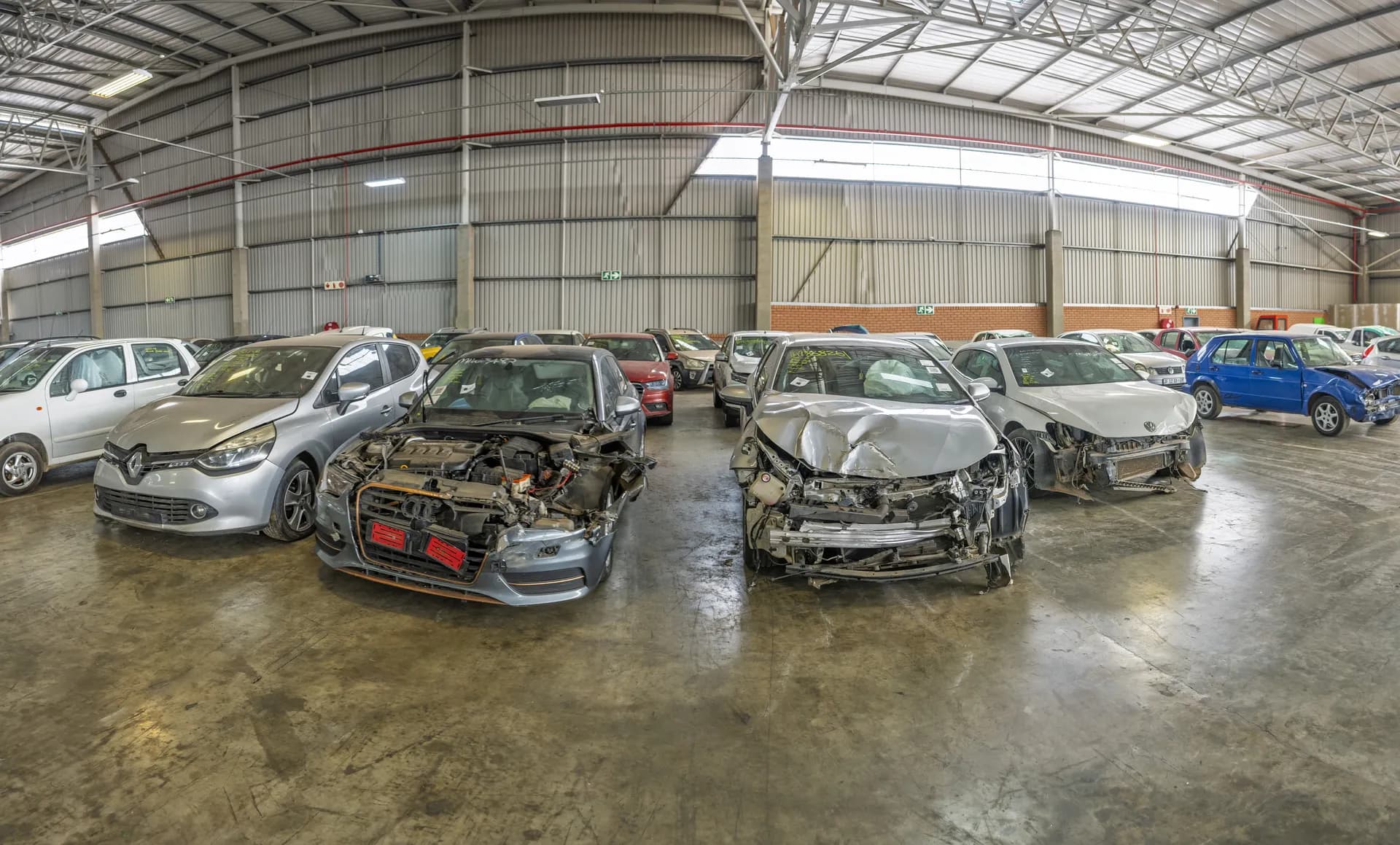
Repair vs Sell Decision
Weigh repair cost, downtime and resale prospects before committing to an engine swop.
Sell for Simplicity
Selling a non-running car can save time and avoid uncertain repair expenses.
Check Paperwork & Finance
Confirm bond status and use buyers who handle deregistration and towing.
Overview: engine swop vs engine failure car sales
When a car suffers engine failure, owners face two common paths: arrange an engine swop (replacement) or sell the vehicle as an engine-failure / non-running car. Comparing engine swop vs engine failure car sales means weighing repair cost, downtime, resale value after repair, safety and compliance, and your personal circumstances - budget, time and intended future use. This guide focuses on South Africa-specific factors such as typical repair ranges in R, deregistration practices, finance implications and the local salvage market.
What we mean by each option
An engine swop refers to replacing the failed engine with a reconditioned, used or remanufactured unit and completing fitting, testing and certification where required. Selling for engine failure means offering the car in its current non-running condition to a buyer, auction or specialist that purchases salvage and damaged vehicles.
Key decision factors
- Estimated repair cost vs remaining market value
- Availability of suitable engines and qualified fitters locally
- How long you can be without a car
- Whether the vehicle is under finance
- Typical resale value after repair for your make and model in South African markets
Repair cost vs value retained
| Scenario | Typical South Africa cost (R) | Value retained after repair |
|---|---|---|
| Used engine fitment (private/independent) | R10,000 - R40,000 (engine only) + R2,000-R15,000 labour | Often 50-80% of pre-failure market value (depends on vehicle age) |
| Reconditioned/remanufactured engine | R30,000 - R90,000+ (total) | 70-95% of pre-failure market value (higher for desirable models) |
| Selling as engine failure / non-running | N/A (you receive a cash offer) | Offer reflects salvage demand and part values; often below repaired market value |
Estimates above are indicative and depend on region (Johannesburg, Cape Town, Durban can vary), engine availability and labour rates. Always obtain local quotes before deciding. For many owners, particularly of older cars, the repair cost may exceed the incremental resale gain - making sale as engine failure the pragmatic option.
If you want to compare how selling works in practice, our online process explains valuation and collection on the About / How it works page.
When to choose repair (engine swop)
Repair is often sensible when the vehicle is relatively new, has low mileage for its age, and the estimated swop cost is significantly less than the increase in resale value after repair. Consider repair when the vehicle is rare, has a clean service history, or you need a reliable car immediately and don’t want to arrange a replacement.
When selling as engine failure makes sense
- Vehicle is older and market value is low relative to repair cost
- You don’t want to manage engine sourcing, fitting or warranty queries
- The car is underwritten by insurance as a write-off or the repair logistics are complex
- You prefer a fast, predictable cash outcome and minimal admin
For owners in Johannesburg, Cape Town or Durban, selling to a specialist buyer can remove towing headaches and long repair wait times. Read practical options for non-running vehicles on our Sell Non-Running Car page.
How the process works when you sell an engine-failure car
Selling a car with engine failure to a specialist buyer typically follows a simple path: submit vehicle details and photos, receive a transparent cash offer, accept if you’re satisfied, and arrange collection. Many specialists provide free towing, handle paperwork (including deregistration) and release payment quickly after collection. This reduces the time, cost and uncertainty compared with organising an engine swop yourself.
Damage types vs typical offer impact
| Damage/Condition | How it affects offers |
|---|---|
| Engine seized / internal failure | Lower offers due to part salvage and dismantling costs |
| External damage minimal | Higher offers; salvageable body and interior value |
| Concurrent transmission or chassis damage | Significantly reduces offers; may be classed as write-off |
Legal & paperwork considerations in South Africa
In South Africa, transfer and deregistration requirements differ depending on whether the vehicle is sold privately, to a dealer, or as salvage. If the car is under finance, you must inform the financier and settle outstanding amounts or obtain their written consent. When selling as salvage, buyers often assist with deregistration at eNaTIS and manage release forms. Specialist buyers can reduce admin by handling documentation on your behalf.
- Check whether the vehicle is bonded - contact the financier or review your statement.
- Keep logbook, service history and any discharge documentation ready.
- Be honest about engine condition to avoid disputes during transfer.
If you want an overview of how a specialist service handles collection and paperwork nationwide, see our Sell Damaged Cars page for practical details.
Tips to maximise your offer
- Provide clear, well-lit photos of the engine bay, odometer and exterior.
- Supply service records and known faults - transparency builds trust and can improve offers.
- Remove personal items and ensure keys and logbook are available.
- Obtain multiple offers if unsure; compare inclusions such as towing and paperwork handling.
What happens after collection
After you accept an offer and arrange collection, expect the buyer to tow the vehicle (often free nationwide), complete transfer or deregistration forms, and release payment. Payment timing varies by buyer but reputable services verify payment quickly once the vehicle is in their possession. If the vehicle is bonded, the buyer and seller coordinate with the financier to settle the balance and obtain a clearance.
Real-world example and decision checklist
Example scenario: A 10-year-old hatchback in Johannesburg with an engine seized. Local repair quotes for a used engine plus labour total ~R22,000-R35,000. The car’s pre-failure private market value is R45,000. After repair resale might reach R38,000-R44,000 depending on condition and buyer confidence - leaving a tight margin when factoring in time and risk. In such cases, many owners choose a quick sale as a non-running vehicle to avoid further expense and unpredictability.
If you’d like to see how a nationwide buyer handles valuations and collections, our homepage explains the online form and quote process in detail: Sell Your Damaged Car.
Sources
- Department of Transport, South Africa - Vehicle registration and transfer guidance
- AA South Africa - Practical advice on buying, selling and repairing vehicles
- National Credit Regulator - Guidance on vehicles under finance in South Africa
Final note: comparing engine swop vs engine failure car sales requires realistic local quotes, an honest assessment of downtime tolerance, and clarity about finance status. Use multiple offers and factor in towing and paperwork convenience when deciding.
Seasoned automotive specialists dedicated to helping you turn your damaged or non-running vehicle into cash fast and hassle-free.
Disclaimer: This content is for educational purposes only. Product availability, pricing, and specifications are subject to change. Always verify current details on the retailer's website before making a purchase. We may earn affiliate commissions from qualifying purchases.
Why sell your damaged car to us?

A Division of Auction Nation, the leading expert in selling damaged cars

Best price for your damaged car

Get a cash offer within 24h

We buy damaged cars in any condition

We buy accident- damaged cars still under finance

Free, no obligation offer on your vehicle
How We Calculate Your Damaged Car’s Value
Wondering how we calculate your car’s value? At Sell Your Damaged Car, we look at: Your car’s real condition, its salvage value, and the current market demand. It’s all about honesty, transparency, and fairness — that’s how we determine your offer.
Frequently Asked Questions
Get answers to common questions about Comparison And Alternatives
Why Choose Sell Your Damaged Car?
Free Towing
Need a tow? We got you
Hassle Free
Get a cash offer within 24h!
Nationwide
Somewhere remote? No problem!
