
Compare Offers for a Flood-Damaged Car in South Africa - What to Expect
Learn how to compare offers for a flood-damaged car in South Africa: what affects prices, repair vs sell guidance, paperwork, and tips to get the best net cash outcome.
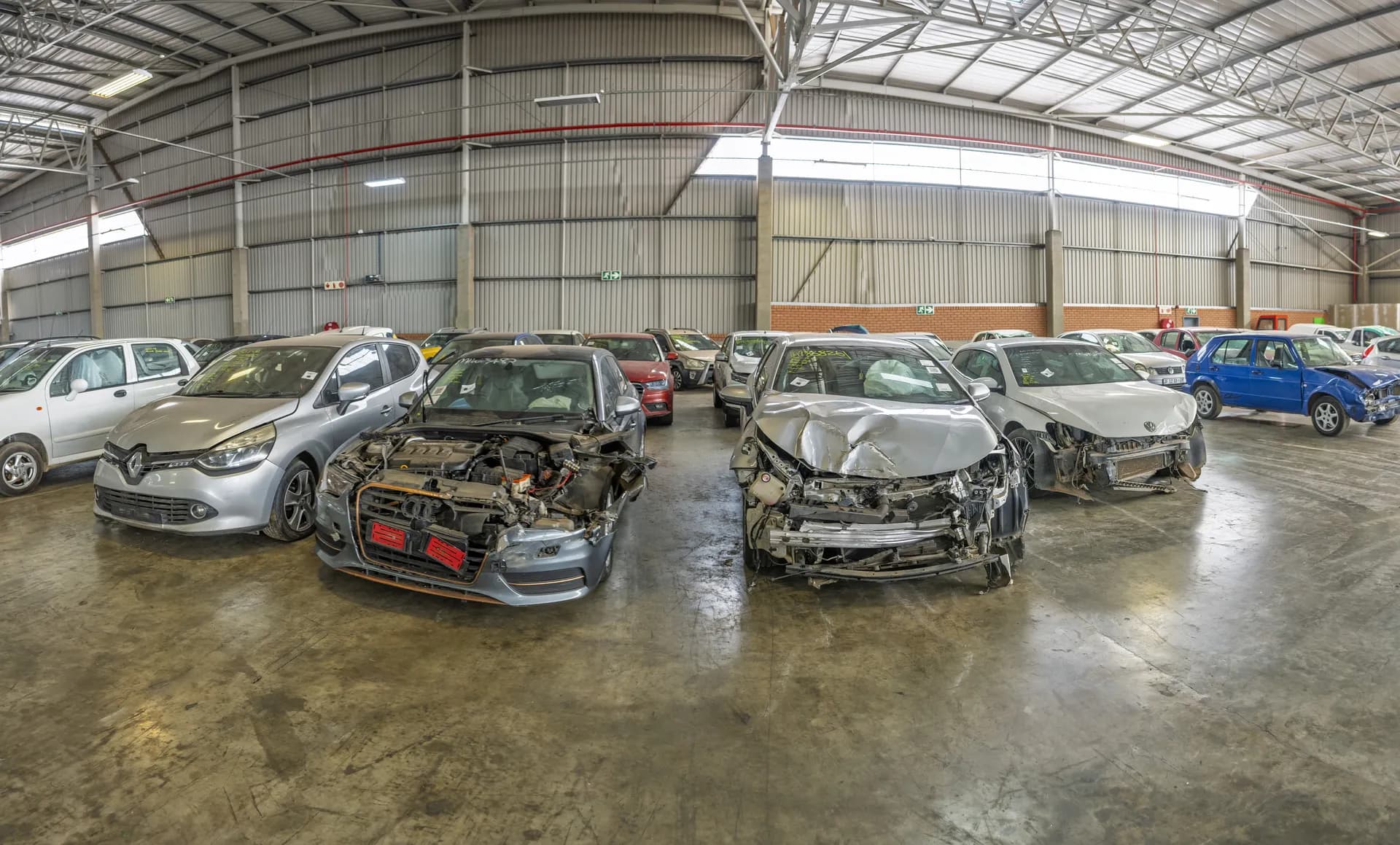
Focus on Net Cash
Compare offers including towing, paperwork help and payment timing.
Check Damage Impact
Engine and electronics issues reduce offers more than wet interiors.
Verify Paperwork Handling
Ensure deregistration, finance settlements and receipts are included.
Overview: comparing offers for a flood-damaged car in South Africa
If your vehicle has flood damage, multiple buyers - insurers, salvage dealers and specialist buyers - may give different cash offers. Knowing how to compare those offers helps you choose the best route for your circumstances. This guide explains common valuation factors, practical checks to identify realistic offers, and South Africa-specific considerations such as deregistration, vehicles under finance, and free collection services.
Who makes offers and why they differ
Offers typically come from three groups: insurers or owner-initiated salvage sales, local wreckers and dismantlers, and specialist buyers who handle non-running or flood-damaged cars. Each buyer values the vehicle differently based on repair cost estimates, parts demand, resale channels, and legal compliance. When you compare offers, focus on net cash-to-you, inclusions (towing, paperwork), and timeline.
Key factors that change a flood-damaged car offer
- Extent of water intrusion: engine, electronics, interior and corrosion risk.
- Vehicle make, model and year: some parts have higher salvage value in South Africa.
- Availability of repairable components in the local salvage market.
- Title status: written-off, salvage, or still registered - affects transfer and buyer risk.
- Logistics: distance to buyer and whether they include free towing.
Note: Offers are estimates based on visible condition and supplied photos. Accurate valuations usually require an inspection or clear photo set showing engine bay, interior, underbody and VIN area.
Repair cost vs value retained (example ranges in R)
| Scenario | Estimated repair cost (R) | Typical value retained after repair (%) |
|---|---|---|
| Minor interior water + electronics cleaned | R5,000 - R20,000 | 70 - 85% |
| Engine or ECU affected | R20,000 - R80,000+ | 40 - 65% |
| Severe corrosion / full electrical failure | R50,000 - R150,000+ | 10 - 40% |
These ranges are illustrative for South African market conditions and depend on labour costs, parts availability and vehicle value. If repair cost looks close to or exceeds expected post-repair resale value, selling as-is often gives better net proceeds and lowers risk.
Damage types vs typical offer impact
| Damage type | Common effect on offers |
|---|---|
| Wet interior only (no engine/electrics) | Moderate reduction; parts resale possible, higher offers if interior salvageable. |
| Engine submerged / hydrolock | Significant reduction; many buyers treat as parts-only or scrap. |
| Electrical/ECU faults | Offer reduced due to unpredictable repair costs; some specialist buyers still pay more for parts. |
When comparing offers, request a breakdown: gross offer, deductions (if any), and whether towing and paperwork are included. A lower headline offer that includes free towing and admin can be more valuable than a higher headline offer that leaves costs to you.
For an overview of how a specialist buyer manages damaged cars, see our About / How it works page for process details and trust indicators.
When to sell vs repair
Deciding to sell or repair depends on three practical tests: cost, time and risk. If estimated repair costs exceed a meaningful share of the car’s market value, selling as-is is often preferable. If repairs are inexpensive and restore most of the car’s trade value, repair then sell might work better. Consider also the time you’ll lose arranging repairs and the risk of hidden corrosion after flood exposure.
Quick checklist to decide
- Get at least two independent repair quotes (engine, electrics and interior).
- Get multiple cash offers for the vehicle as-is - include salvage buyers and specialist services.
- Factor in downtime, storage fees and the cost of arranging towing.
If you want to compare offers quickly from a specialist buyer that handles flood and non-running vehicles nationwide, you can start with the Sell Damaged Cars page to understand what documentation is typical for offers: Sell Damaged Cars.
How the offer process typically works
Most reputable buyers follow a simple workflow: you submit vehicle details and photos, they provide an initial offer or range, and after acceptance they arrange inspection, paperwork and collection. When comparing offers, check whether the buyer includes free towing, handles deregistration or provides assistance if the vehicle is under finance.
Step-by-step comparison tips
- Ask for a written offer or email confirmation that shows net cash and inclusions.
- Confirm collection terms: location, timing and whether towing is free nationwide.
- Clarify paperwork handling: transfer of ownership, deregistration assistance, and whether they accept vehicles under finance.
- Request references or customer feedback, and check online reviews for the buyer’s reputation.
Specialist services that buy flood-damaged cars often list inclusions such as free towing, paperwork handling and prompt payment. Compare those inclusions alongside the cash offer to decide which is truly most beneficial.
Legal & paperwork considerations in South Africa
In South Africa, selling a vehicle requires correct transfer of ownership. If the car is written off or under finance, additional steps may apply. Many buyers will support deregistration and settlement with the finance house, but you should always verify the buyer’s process and get receipts for any settlement. If the vehicle is deregistered before sale, ensure documentation is clear to avoid future liabilities.
Common questions to ask buyers about paperwork
- Will you handle the registration transfer at the register of motor vehicles or via eNaTIS?
- How do you handle vehicles with outstanding finance or a lien?
- Do you provide a sale agreement and final payment receipt on collection?
If you want an example of an online valuation and offer flow from a nationwide buyer that handles non-running vehicles, the Sell Non-Running Car page shows the type of information buyers typically request: Sell Non-Running Car.
Tips to maximise the offer when you compare
- Provide clear photos of the VIN, engine bay, underbody and interior - good photos reduce uncertainty and often improve offers.
- Supply service history and key paperwork where available; buyers value documented maintenance.
- Be transparent about flood exposure and any symptoms - buyers prefer accurate descriptions to avoid post-sale disputes.
- Ask whether the buyer pays on collection and whether payment clears before you hand over keys.
What happens after collection
After you accept an offer and collection is arranged, a reputable buyer will complete the sale agreement, collect the vehicle (often with free towing), settle any agreed payment and provide paperwork confirming ownership transfer. Keep certified copies of the sale agreement and bank confirmation for your records.
For a general explanation of a nationwide service that buys damaged cars and handles collection and paperwork, review the Sell Your Damaged Car homepage process: Sell Your Damaged Car.
Practical examples and scenarios
Example 1 - Johannesburg: a 2010 sedan with wet interior only. Two buyers provided offers; the higher headline offer excluded towing and paperwork, while the lower offered free nationwide collection and handled deregistration. After accounting for towing and admin costs, the lower headline offer resulted in higher net cash to the owner. Example 2 - Coastal flood in Durban: a vehicle with engine immersion attracted salvage-only offers; buyers specialising in parts gave more competitive offers than general wreckers because of local demand for specific parts.
Sources
Seasoned automotive specialists dedicated to helping you turn your damaged or non-running vehicle into cash fast and hassle-free.
Disclaimer: This content is for educational purposes only. Product availability, pricing, and specifications are subject to change. Always verify current details on the retailer's website before making a purchase. We may earn affiliate commissions from qualifying purchases.
Why sell your damaged car to us?

A Division of Auction Nation, the leading expert in selling damaged cars

Best price for your damaged car

Get a cash offer within 24h

We buy damaged cars in any condition

We buy accident- damaged cars still under finance

Free, no obligation offer on your vehicle
How We Calculate Your Damaged Car’s Value
Wondering how we calculate your car’s value? At Sell Your Damaged Car, we look at: Your car’s real condition, its salvage value, and the current market demand. It’s all about honesty, transparency, and fairness — that’s how we determine your offer.
Frequently Asked Questions
Get answers to common questions about Comparison And Alternatives
Why Choose Sell Your Damaged Car?
Free Towing
Need a tow? We got you
Hassle Free
Get a cash offer within 24h!
Nationwide
Somewhere remote? No problem!
