
Code 3 Vehicle Sale FAQ - South Africa Guide for Sellers
Learn what a Code 3 vehicle sale means in South Africa, how it affects offers, legal paperwork, and practical tips to prepare and sell a damaged or written-off vehicle.
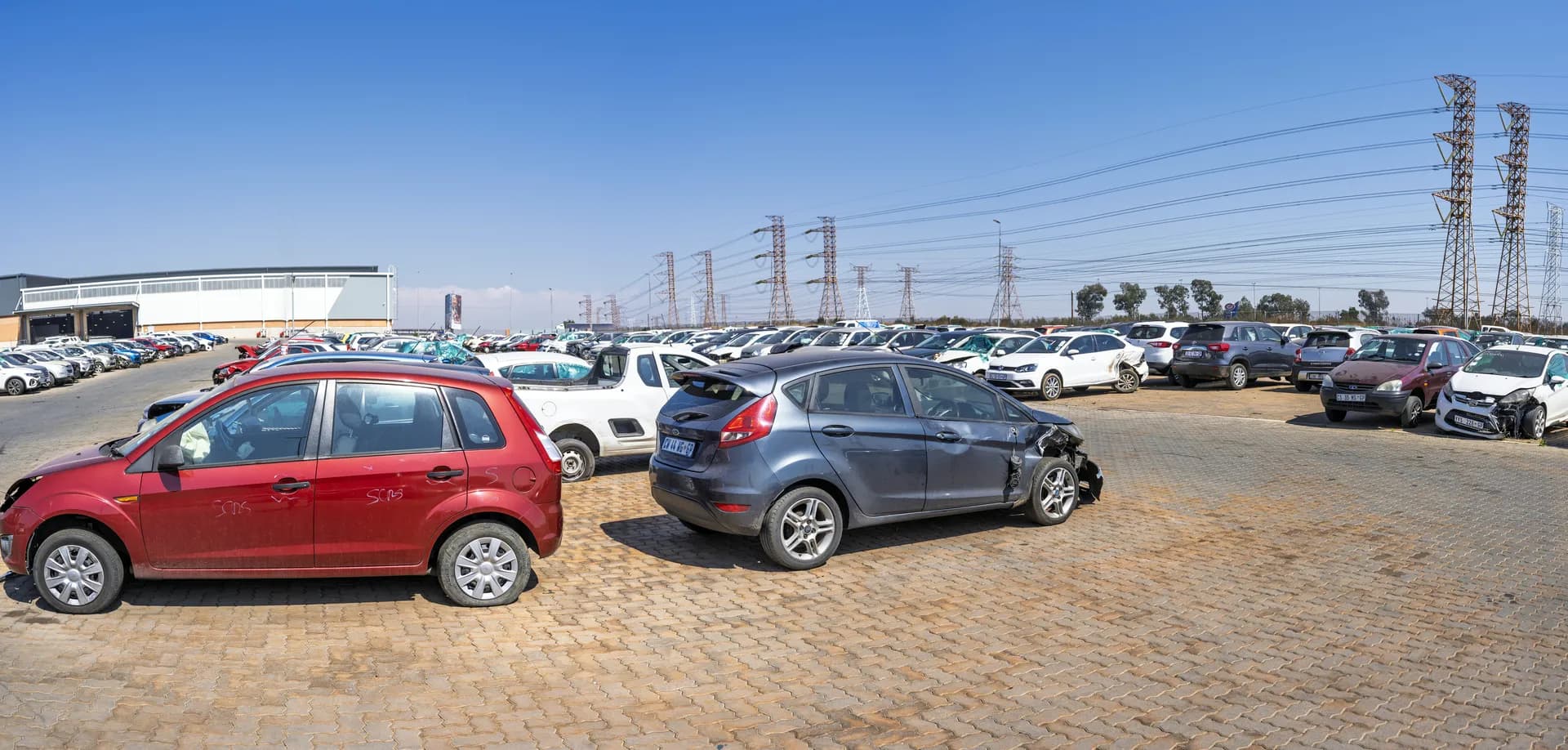
What Code 3 Means
A flag for significant damage or insurer/salvage status that can reduce resale value.
Key Paperwork Steps
Disclose condition, check finance, complete written sale agreement and transfer forms.
Maximise Your Offer
Provide clear photos, service history and multiple buyer quotes.
Overview: What a Code 3 vehicle sale means in South Africa
The term Code 3 vehicle sale is often used in dealer, insurer and salvage contexts to flag vehicles with significant damage, prior write-offs or restricted resale status. Exact definitions can vary between insurers, auction houses and dealers, so the simplest rule is to confirm how the code is applied to your vehicle before agreeing to a sale. This FAQ explains typical implications for sellers in South Africa, how a Code 3 status affects offers, and the practical steps to complete a lawful, low-stress sale.
How Code 3 affects a sale
A Code 3 designation commonly signals visible structural, flood or major mechanical damage, or that the car was once assessed as salvage by an insurer. For buyers and trade customers this means higher inspection and repair risk, and for sellers it usually reduces market value compared with fully roadworthy vehicles. That said, vehicles with Code 3 status are still sellable - many salvage specialists, repairers and exporters actively buy such cars.
Where to verify a Code 3 flag
- Ask the insurer or auction house that applied the code for their written definition.
- Request a vehicle history report and cross-check with official registration details where possible.
- Get an independent inspection if you plan to dispute or clarify the vehicle condition before sale.
When to sell vs repair for a Code 3 vehicle
Deciding to sell a Code 3 vehicle or invest in repairs depends on repair cost, expected retained value after repair, registration/legal status, and time. For private owners and small-fleet managers, selling is often the quicker and lower-risk option if repair costs approach or exceed the likely market value.
| Scenario | Repair cost (estimate) | Value retained after repair (estimate) |
|---|---|---|
| Minor structural damage, mechanical OK | R10,000-R30,000 | 60-85% of pre-damage value |
| Major structural/flood damage | R30,000-R150,000+ | 30-60% of pre-damage value |
| Written-off by insurer | Often not economical | Salvage/parts value only |
Estimates above are illustrative for South Africa and are not offers. Repair costs and retained value depend on make, model, age and extent of damage. If repair estimates approach the ranges shown, selling as-is is often the more cost-effective route.
Tip: Before you commit to repairs, get 2-3 quotes and compare the post-repair resale value versus an as-is sale. Services that buy damaged cars nationwide can provide a comparison offer quickly.
For more about selling non-running vehicles and our online process, see the Sell Non-Running Car page and the Sell Damaged Cars page for practical options available across South Africa.
How the Code 3 vehicle sale process typically works
A transparent sale process for a Code 3 vehicle should include an upfront description of the code, clear photos, a written offer, and an explanation of who handles towing, paperwork and payment. Below is a common step-by-step workflow used by professional buyers in South Africa.
Step-by-step summary
- Submit vehicle details and photos to prospective buyers.
- Receive an obligation-free written offer based on condition and market demand.
- Confirm whether the buyer handles towing and registration admin.
- Complete identity and ownership checks, sign transfer paperwork or a written sales agreement.
- Arrange collection and payment according to the agreed terms.
If you want a clear example of a buyer process and what they include, see our how-we-work summary at About / How it works. That page describes online valuation, free towing and paperwork support used by many sellers across Johannesburg, Cape Town and Durban.
Legal & paperwork considerations in South Africa
Legal steps vary by vehicle status. Key items South African sellers should confirm before transferring ownership include valid registration (or clear indication of salvage/write-off status), proof of identity, and disclosure of any outstanding finance. If a vehicle has outstanding finance, the finance house retains a claim and this must be settled or formally transferred as part of the sale.
Checklist for a lawful sale
- Vehicle registration document (disc/booklet) or written confirmation of registration status.
- Seller ID and proof of residence.
- Signed written sale agreement noting Code 3 status and condition.
- Evidence of settlement if outstanding finance exists or written consent from the financier.
- Receipt and transfer paperwork completed at the local licensing office where applicable.
| Issue | What sellers should do |
|---|---|
| Outstanding finance | Contact the finance house for settlement or transfer instructions before sale. |
| Salvage/write-off noted | Disclose in writing; buyer and seller must agree how registration will be handled post-sale. |
| Vehicle not roadworthy | Do not misrepresent condition. Use written agreements to document as-is sales. |
Tips to maximise your offer on a Code 3 vehicle
While Code 3 status reduces value, you can still improve offers with transparent presentation and smart preparation.
- Provide clear, well-lit photos of all damage and the vehicle identification number (VIN).
- Supply accurate service history and any recent receipts for parts or repairs.
- Obtain an independent inspection report if you expect to dispute coding or damage assessments.
- Compare multiple offers from buyers who specialise in salvage, export or repair markets.
Example: In South Africa a basic, honest photo set plus a short history can improve offers by R2,000-R8,000 in many cases (estimates only). Exact uplift varies by make, model, year and local demand in metros such as Johannesburg, Cape Town or Durban.
What happens after collection
After you accept an offer and the buyer collects the vehicle, expect the following sequence: paperwork finalised (transfer or written sales agreement), buyer arranges towing, and payment is processed per the sale terms. Confirm whether the buyer will handle deregistration or whether you need to submit transfer forms at your local licensing office.
Practical examples and timelines
- Nationwide collection: professional buyers often provide free towing across major centres and surrounding areas; collection timing is usually 1-7 business days after acceptance depending on location.
- Payment timing: many buyers release funds immediately after paperwork and collection are confirmed; always confirm payment method in writing.
- Deregistration/transfer: transfers at licensing offices can take a few days to process; some buyers handle this for you.
If you prefer a direct comparison between selling as-is and repair, our homepage explains the fast online valuation and collection options available nationwide, including support for owners in Johannesburg, Cape Town and Durban.
Sources
- Road Traffic Management Corporation (RTMC) - vehicle registration and licensing information
- South African Government - official transport and consumer guidance
- National Credit Regulator - guidance on outstanding finance and consumer rights
- AA South Africa - practical advice on vehicle condition, safety and resale considerations
This FAQ is informational and not legal advice. For specific disputes about a Code 3 designation or outstanding finance, contact the insurer, the finance house or a legal advisor. For practical selling options for non-running or severely damaged vehicles, please review the Sell Non-Running Car and Sell Damaged Cars pages linked earlier for service examples used across South Africa.
Seasoned automotive specialists dedicated to helping you turn your damaged or non-running vehicle into cash fast and hassle-free.
Disclaimer: This content is for educational purposes only. Product availability, pricing, and specifications are subject to change. Always verify current details on the retailer's website before making a purchase. We may earn affiliate commissions from qualifying purchases.
Why sell your damaged car to us?

A Division of Auction Nation, the leading expert in selling damaged cars

Best price for your damaged car

Get a cash offer within 24h

We buy damaged cars in any condition

We buy accident- damaged cars still under finance

Free, no obligation offer on your vehicle
How We Calculate Your Damaged Car’s Value
Wondering how we calculate your car’s value? At Sell Your Damaged Car, we look at: Your car’s real condition, its salvage value, and the current market demand. It’s all about honesty, transparency, and fairness — that’s how we determine your offer.
Frequently Asked Questions
Get answers to common questions about Legal And Paperwork
Why Choose Sell Your Damaged Car?
Free Towing
Need a tow? We got you
Hassle Free
Get a cash offer within 24h!
Nationwide
Somewhere remote? No problem!
