
Car recycling in KwaZulu-Natal - Process, legal steps and practical guide
Learn the car recycling process in KwaZulu-Natal: assessment, offers, collection, environmental handling and required paperwork for lawful transfer or scrapping.
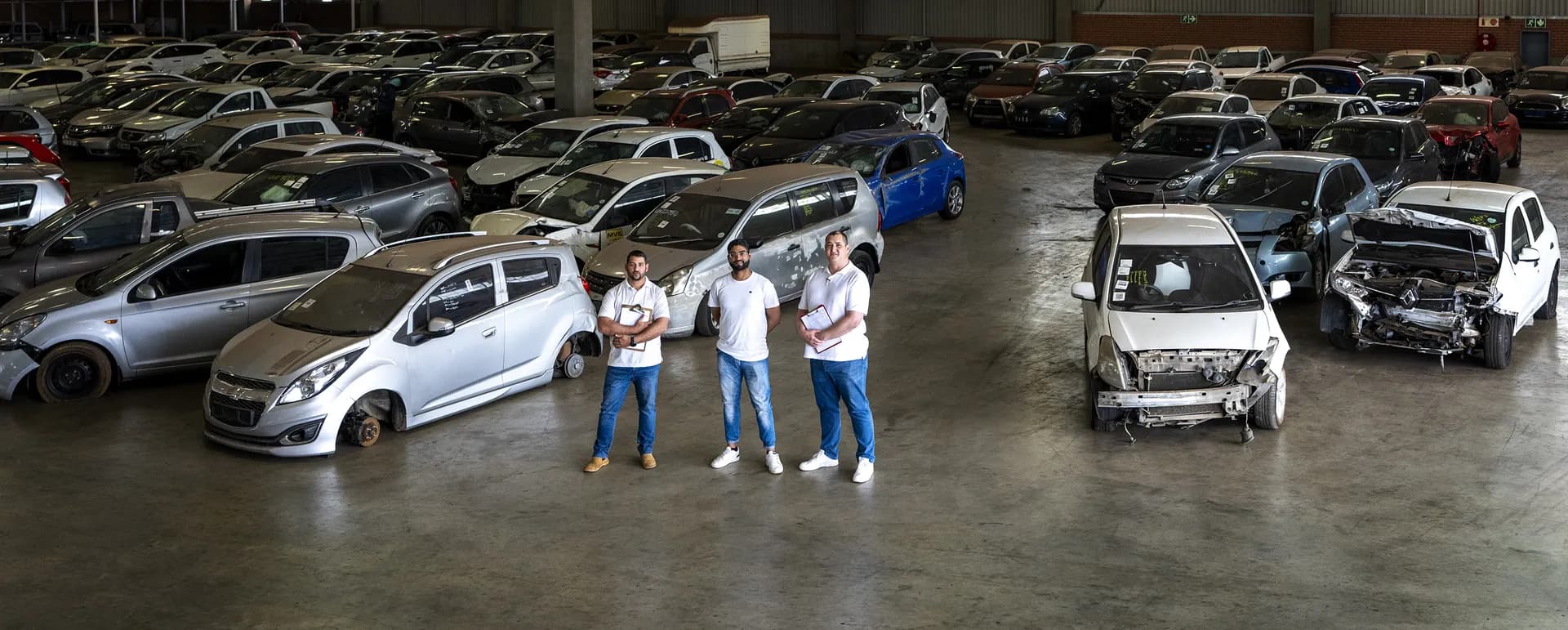
Step-by-step explained
From assessment and collection to parts recovery and deregistration.
KZN practical notes
Durban, Pietermaritzburg and rural scenarios affect towing and salvage value.
Paperwork matters
Clear transfer or scrapping paperwork avoids future liability.
Overview: What car recycling in KwaZulu-Natal involves
Car recycling in KwaZulu-Natal (the car-recycling-kwazulu-natal-process) covers the responsible dismantling, salvage recovery and lawful deregistration of vehicles that are written off, non-running, or end-of-life. The process aims to recover usable parts, safely dispose of hazardous fluids and materials, and transfer legal ownership so derelict vehicles no longer present a liability. For vehicle owners in Durban, Pietermaritzburg, Richards Bay and surrounding areas, understanding the practical steps and paperwork helps speed up sale or scrapping decisions and ensures compliance with South African regulations.
Who this guide is for
This guide is written for private owners and small fleet managers in KwaZulu-Natal who are considering recycling a damaged, flood-affected, fire-damaged, written-off or non-running vehicle and want to understand the process, costs, legal obligations and ways to get a transparent cash offer. If you want to see a simple online valuation workflow, see the Sell Your Damaged Car homepage for an example of how offers are issued and collections scheduled.
Why owners in KZN choose recycling
- Environmental compliance: authorised recyclers safely remove oils, batteries and refrigerants.
- Convenience: collection, paperwork handling and deregistration reduce admin burden.
- Salvage value: usable parts and metal are reclaimed for market sale.
Quick note: Recycling does not automatically mean the vehicle will be repaired and returned to the road. Salvageable parts are reused and the remainder is processed according to environmental standards.
When to sell or recycle versus repair
Deciding between repair and recycling depends on repair cost, current market value, insurance status and safety. In KwaZulu-Natal, towing, storage and repair availability can also affect the decision. Below is a basic comparison to help you assess whether recycling is the practical option.
| Scenario | When repair is preferable | When recycling/selling is preferable |
|---|---|---|
| Minor accident damage | Repair cost << market value and safe to return to the road | Repair costs approach or exceed resale value |
| Major structural or flood damage | Only if insurer declares repair economical and certified workshop available | Often better to recycle - high repair risk and long delays |
| Non-running / mechanical failure | If engine/transmission rebuild is lower than value retained | If repair quotes are high or vehicle is old; parts value may exceed repair ROI |
Repair cost vs value retained (illustrative)
| Estimated repair cost (R) | Typical retained market value after repair (R) | Decision guide |
|---|---|---|
| R5,000 | R35,000 | Repair usually sensible |
| R30,000 | R45,000 | Consider recycling if vehicle age high or salvage market strong |
| R70,000+ | R60,000 | Recycling likely more economical |
Figures above are illustrative ranges in South African Rands (R) and will vary with make, model and market demand. For a transparent valuation workflow, consider reviewing the way offers are issued on the Sell Damaged Cars page.
How the recycling process works in practice
Typical steps an owner can expect during the car-recycling-kwazulu-natal-process:
- Initial assessment: provide vehicle details and photos to a recycler or buyer so they can estimate salvageable value.
- Offer and acceptance: receive a clear cash offer based on parts, metal scrap value, and transport costs.
- Collection and fluids removal: authorised facility arranges towing; hazardous fluids, batteries and refrigerants are drained per environmental rules.
- Dismantling and parts recovery: usable components are removed for resale; remaining shell is prepared for metal recycling.
- Deregistration and transfer: legal transfer or scrapping certificate is completed so the owner is no longer liable.
If you want a step-by-step of how a buyer handles offers, paperwork and collection, read the About / How it works page for a clear example of the online workflow used by specialist buyers.
Legal & paperwork considerations in South Africa
In South Africa the owner must ensure legal transfer or deregistration when a vehicle is sold for recycling. Keep paperwork tidy: the registration certificate, ID of the seller, a written sale agreement and a proof of change of ownership or scrapping certificate. If the vehicle is under finance, the financier’s consent is required before transfer. Owners in KwaZulu-Natal should expect authorised recyclers or buyers to assist with these formalities to avoid delays.
Damage types and typical offer impact
| Damage type | Typical impact on offer |
|---|---|
| Cosmetic (bumpers, panels) | Minor reduction; many parts remain valuable |
| Structural / frame damage | Significant reduction; parts removal and scrap value dominate |
| Flood or fire damage | Major reduction; some mechanical parts may still be salvaged |
Tips to maximise your offer
- Provide clear, recent photos from multiple angles including engine bay and interior - buyers rely on visual evidence to estimate parts value.
- Be honest about previous repairs and flood exposure - transparency speeds up offers and avoids later disputes.
- Keep service records and spares (e.g., keys, manuals) available - these can improve the final offer.
- Ask whether the buyer handles deregistration and collection - free towing and paperwork handling reduces your out-of-pocket costs.
What happens after collection
After collection the recycler will perform an inspection, remove hazardous fluids and recover reusable components. Owners should receive confirmation of transfer or a scrapping certificate and final payment details. If the vehicle was financed, the financier will be paid out as required and any balance passed to the owner. For an example of a nationwide service that handles collection and payment, review the Sell Non-Running Car page to see typical inclusions (towing, admin, payment).
Practical KZN scenarios
- Durban beachfront flooding: flood exposure often reduces electronics value; scrap and parts recovery become the main value sources.
- Rural write-off near Pietermaritzburg: free collection is particularly valuable where towing costs would be high.
- Fleet vehicle with mechanical failure: recycling multiple vehicles to a single buyer can streamline paperwork for small businesses.
Sources
- South African Department of Transport - official transport information
- eNATIS / Registration system - vehicle registration and transfer guidance
- KwaZulu-Natal Department of Transport - provincial transport notices and services
These sources provide official guidance on registration, transfer and provincial transport services. Where figures or outcomes are given in this guide they are estimates for explanatory purposes and can vary by vehicle make, model and current market demand in South Africa.
Seasoned automotive specialists dedicated to helping you turn your damaged or non-running vehicle into cash fast and hassle-free.
Disclaimer: This content is for educational purposes only. Product availability, pricing, and specifications are subject to change. Always verify current details on the retailer's website before making a purchase. We may earn affiliate commissions from qualifying purchases.
Why sell your damaged car to us?

A Division of Auction Nation, the leading expert in selling damaged cars

Best price for your damaged car

Get a cash offer within 24h

We buy damaged cars in any condition

We buy accident- damaged cars still under finance

Free, no obligation offer on your vehicle
How We Calculate Your Damaged Car’s Value
Wondering how we calculate your car’s value? At Sell Your Damaged Car, we look at: Your car’s real condition, its salvage value, and the current market demand. It’s all about honesty, transparency, and fairness — that’s how we determine your offer.
Frequently Asked Questions
Get answers to common questions about Legal And Paperwork
Why Choose Sell Your Damaged Car?
Free Towing
Need a tow? We got you
Hassle Free
Get a cash offer within 24h!
Nationwide
Somewhere remote? No problem!
