
Cape Town Accident Car Market: What Sellers and Buyers Need to Know
Understand the Cape Town accident car market: pricing drivers, repair vs sell decisions, paperwork in South Africa and tips to get competitive, transparent offers.
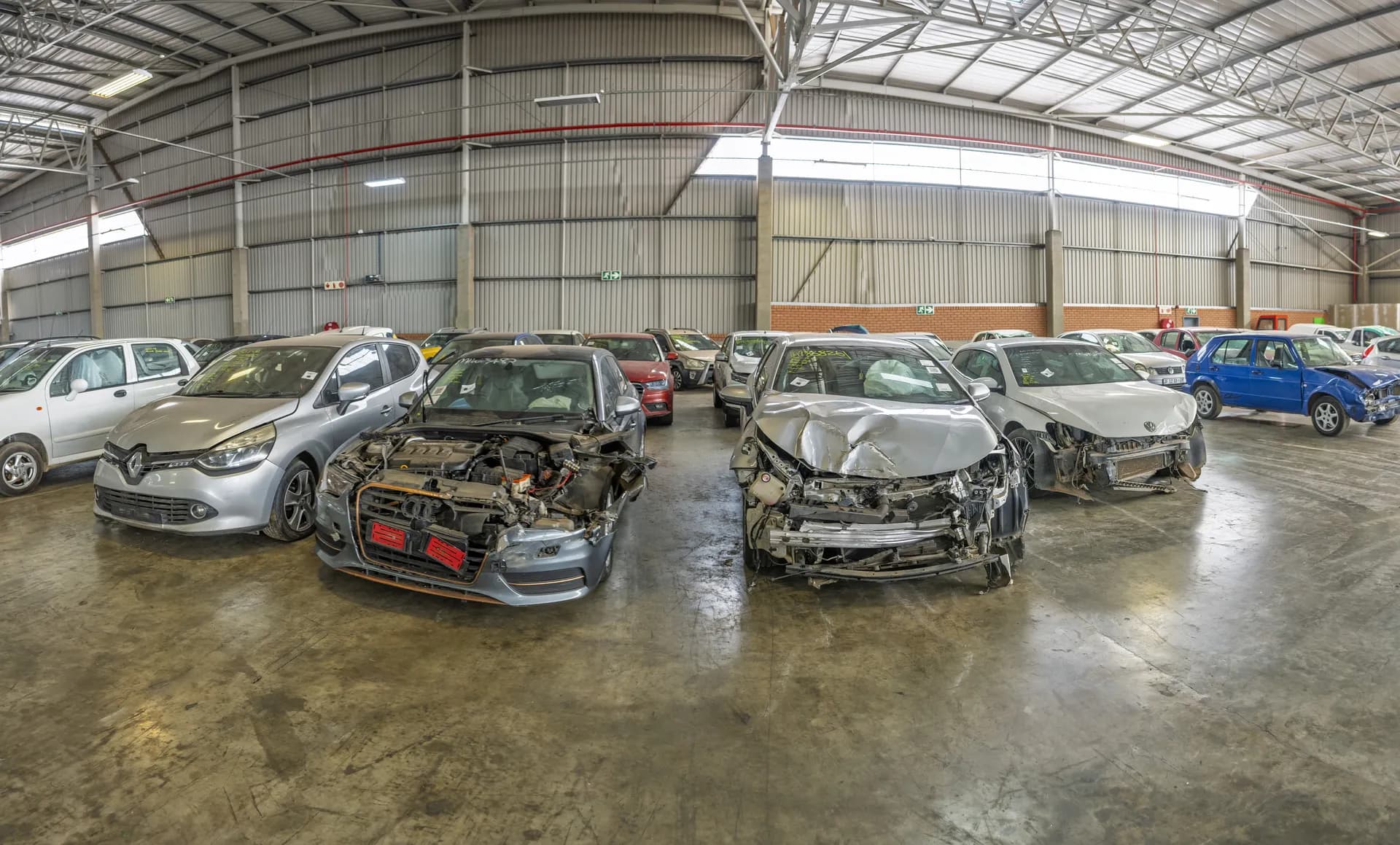
Overview of the Cape Town accident car market
The Cape Town accident car market covers a wide range of vehicles: minor collision repairs, written-off insurance vehicles, flood or fire damage, and non-running cars. Demand comes from local repairers, component recyclers, exporters and parts brokers. Prices are influenced by the vehicle's age, make and model, structural damage, salvageable components and current scrap metal rates. For owners in Cape Town and surrounding Western Cape suburbs, understanding these local dynamics helps set realistic expectations when selling a damaged car.
How regional factors influence offers
- Local repair capacity: Cape Town has a strong collision repair and spares market, which can increase demand for repairable accident cars.
- Export demand: Some locally written-off vehicles feed salvage vehicle sales Western Cape channels in the region, affecting salvage values.
- Towing & logistics costs: Proximity to collection points, especially in metro areas vs remote suburbs, affects net offers.
- Seasonal effects: Weather events (e.g., heavy rains) can raise supply of flood-damaged vehicles and temporarily change pricing.
Common buyer types in Cape Town
- Panel beaters and local mechanics who repair and retail vehicles or parts.
- Scrap and salvage yards that dismantle cars for parts and metal.
- Independent exporters who buy salvage for overseas repair or parts markets.
- Private buyers seeking a repair project or affordable transport.
Repair cost vs retained value (typical Cape Town examples)
| Scenario | Estimated local repair cost (R) | Typical retained market value after repair (%) |
|---|---|---|
| Minor bumper & light damage (recent hatchback) | R4,000 - R12,000 | 70-95% |
| Moderate frontal damage (mid-size sedan) | R20,000 - R60,000 | 50-70% |
| Structural/frame or flood-damaged vehicle | R60,000+ (often uneconomic) | Varies widely; often below 50% |
Note: Figures are illustrative and reflect typical Cape Town market ranges in early 2026. Actual repair costs and retained values vary by vehicle condition, parts availability and labour rates.
When to sell an accident car in Cape Town vs repair
Deciding whether to repair or sell depends on repair cost relative to the vehicle's pre-accident market value, the car's age/mileage, and personal convenience. Sellers in Cape Town should weigh the following:
- If repair cost approaches or exceeds 50-70% of the car's market value, selling as-damaged is usually more economical.
- Structural or flood damage often carries long-term risks; many local buyers price conservatively for such vehicles.
- If the vehicle is under finance, contact your lender to confirm settlement procedures before sale; finance affects transfer and payout steps.
For owners who prefer an online option for non-running vehicles or written-offs, see our Best price for non-running car Western Cape and Sell Damaged Cars Cape Town pages for process details and common questions about proceeds and paperwork.
How the Cape Town salvage & resale process typically works
A standard path in Cape Town: owner provides vehicle details and photos, a buyer (repairer, recycler or broker) inspects and issues an offer, the seller accepts and arranges collection. Logistics, paperwork and payment timing vary; many professional buyers in the metro provide towing and handle deregistration steps.
Legal & paperwork notes specific to South Africa and Cape Town
- Deregistering a vehicle after sale is an important administrative step; buyers that handle deregistration reduce seller risk and complexity.
- Vehicles under finance require lender settlement. Confirm the outstanding balance and get written lender approval for sale or settlement instructions.
- Insurers: if the vehicle was insured and declared a write-off, check insurer documentation before transfer; insurer salvage processes can affect who has legal title.
- Accept bank transfers and obtain a signed receipt and transfer of ownership documents at collection to avoid disputes.
Damage types vs typical offer impact
| Damage Type | Typical impact on offers |
|---|---|
| Superficial bodywork (bumpers, lights) | Minor to moderate reduction; higher offers if mechanicals intact |
| Mechanical failure (engine/transmission) | Significant reduction unless major components are salvageable |
| Structural/frame damage | Substantial reduction; often shifted to scrap or parts market |
| Flood or fire damage | Varies greatly; electrical/flood issues typically reduce offers sharply |
Practical tips to maximise value in Cape Town
- Prepare clear photos from multiple angles, including close-ups of damage and vehicle documents.
- Provide accurate maintenance history and service records where available; buyers in Cape Town pay more for vehicles with verifiable history.
- Be transparent about finance or insurer status-undisclosed liens can delay or void offers.
- Compare multiple quotes from reputable buyers, and ask whether towing and deregistration are included.
What happens after collection in the Cape Town region
After a sale is agreed and the vehicle is collected, professional buyers usually complete settlement with a bank transfer or verified payment method, handle deregistration paperwork and, where relevant, organise transport to repairers, breakers or export facilities. Keep copies of the bill of sale and transfer documents, and confirm payment clearance before releasing keys or documents.
Where to get trusted help and next steps
If you're in Cape Town and assessing options, consider trusted services that offer free towing, handle paperwork (including deregistration), and provide transparent, obligation-free quotes. For help with non-running cars or to review damaged vehicle sale options, see the Sell Non-Running Car and Sell Damaged Cars resources. If you're uncertain about valuations, consult independent repair shops or a reputable motor assessor for a second opinion.
Sources
- Arrive Alive - Road safety and accident information in South Africa
- Western Cape Government - Transport and road infrastructure information
- South African Government Consumer Protection guidance - vehicle sales and consumer rights
- Sell Damaged Cars - Sell Your Damaged Car service details
- Sell Non-Running Car - Sell Your Damaged Car information
Seasoned automotive specialists dedicated to helping you turn your damaged or non-running vehicle into cash fast and hassle-free.
Disclaimer: This content is for educational purposes only. Product availability, pricing, and specifications are subject to change. Always verify current details on the retailer's website before making a purchase. We may earn affiliate commissions from qualifying purchases.
Why sell your damaged car to us?

A Division of Auction Nation, the leading expert in selling damaged cars

Best price for your damaged car

Get a cash offer within 24h

We buy damaged cars in any condition

We buy accident- damaged cars still under finance

Free, no obligation offer on your vehicle
How We Calculate Your Damaged Car’s Value
Wondering how we calculate your car’s value? At Sell Your Damaged Car, we look at: Your car’s real condition, its salvage value, and the current market demand. It’s all about honesty, transparency, and fairness — that’s how we determine your offer.
Frequently Asked Questions
Get answers to common questions about LOCATIONS
Why Choose Sell Your Damaged Car?
Free Towing
Need a tow? We got you
Hassle Free
Get a cash offer within 24h!
Nationwide
Somewhere remote? No problem!
