
Can I Sell a Car That’s Still Under Finance in South Africa?
Learn how to sell a car that’s still under finance in South Africa: settlement figures, lender involvement, paperwork, options for damaged or non-running cars and practical tips.
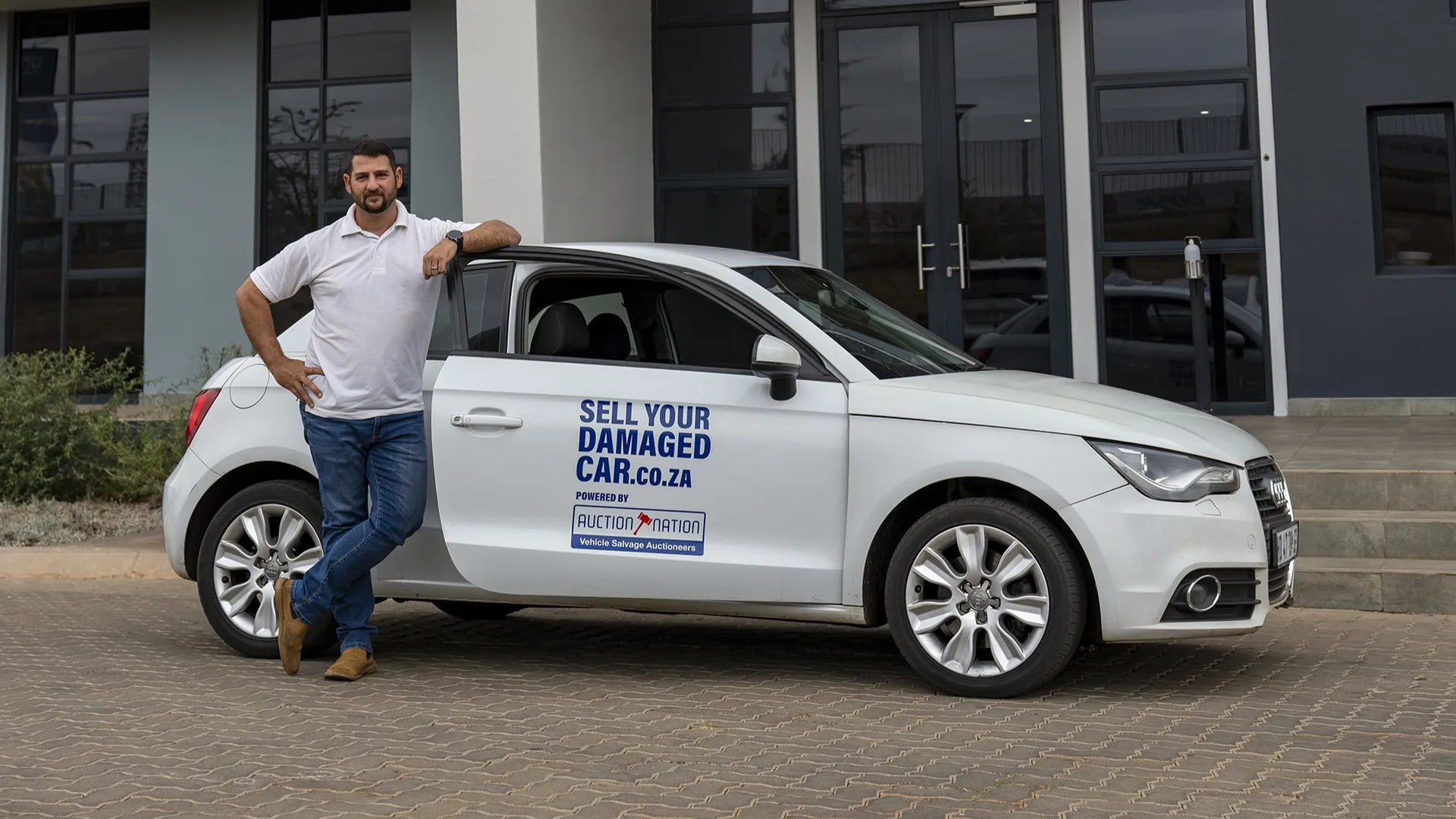
You Can Sell a Financed Car
Settlement or lender involvement is usually required before transfer.
Get a Written Settlement Figure
Request a formal payout quote from your lender before agreeing any sale.
Specialist Buyers Simplify Process
Buyers who handle lender payout, towing and paperwork reduce complexity.
Overview: selling a car under finance
Yes - you can sell a car that is still under finance in South Africa, but the outstanding loan balance and the legal ownership arrangement affect how the sale is completed. Most financed vehicles are registered in the lender’s name until the loan is settled or the lender holds a registration endorsement. That means you’ll need to settle the finance, obtain settlement documentation, or arrange a transfer with the lender involved.
Understanding the difference between the vehicle’s market value and the outstanding settlement figure is essential. If the market value is greater than the outstanding balance, the sale can clear finance and produce cash to you after settlement. If the balance exceeds market value (negative equity), you will need to bridge the shortfall or negotiate with the buyer or lender.
Quick practical point
Ask your lender for a written settlement figure (valid for a short period) before agreeing any sale. This avoids surprises and speeds up transfer or payout.
How your options change by situation
- Sell privately and settle finance at transfer time (requires lender clearance).
- Sell to a dealer or specialist who pays out the lender as part of the purchase.
- Refinance or top up the loan to cover settlement (rarely recommended without financial advice).
- Surrender the vehicle to the lender in line with your credit agreement (repossession is a last resort and has credit implications).
What influences the sale price
Buyers and buyers-for-scrap assess market demand, vehicle condition, remaining service life and the administrative complexity of settling finance. For damaged, non-running or written-off cars these factors matter even more; consider our specialist options for vehicles in poor condition on the Sell Damaged Cars page and for non-running cars see Sell Non-Running Car.
Repair cost vs value retained
| Estimated Repair Cost | Likely Value Retained (after repair) | Typical Decision |
|---|---|---|
| R5,000 - R15,000 | Minor increase; recovers a portion of cost | Repair if you keep vehicle; consider sale if under finance |
| R15,000 - R60,000 | Partial recovery; depends on model and age | Often better to sell to a specialist or dealer |
| R60,000+ | May exceed retained value for older cars | Repair only if long-term ownership planned |
When to sell vs repair
Deciding whether to repair a financed car or sell it can depend on the equity position, repair costs and future plans. If the car has positive equity (market value > finance balance) and repairs are reasonable, repairing might be sensible. If repairs are expensive or the vehicle is written-off, selling - even with finance outstanding - is often the cleaner route.
For vehicles that are damaged or non-running, a specialist buyer who accepts any condition and handles towing and paperwork can simplify settlement. Learn about our overall service model on the About / How it works page.
How the process works when the car is under finance
Typical steps to complete a sale when a vehicle has outstanding finance:
- Request a settlement figure from your lender - this is usually valid for a limited time and comes with a payout reference.
- Agree sale terms with the buyer. The buyer or dealer often pays the lender directly at transfer, with any surplus paid to you.
- Lender issues a release or clearance letter once the account is paid, enabling transfer of ownership with the relevant traffic authority documents.
- Complete transfer and deregistration tasks as required by law in South Africa.
Legal & paperwork in South Africa
Transfers in South Africa must follow procedures set out by the registering authority and the lender’s conditions. Lenders usually require settlement before releasing ownership documentation. If you cannot settle, the lender may agree to a direct payout from the buyer or, in exceptional cases, permit a transfer with specific security arrangements - but this depends on the credit agreement.
| Document | Why it’s needed | Who provides it |
|---|---|---|
| Settlement figure / payout letter | Shows exact outstanding balance to clear finance | Lender |
| Proof of payment to lender | Required to release ownership / registration documents | Buyer or seller (depends on agreement) |
| Application for transfer / deregistration | Completes change of ownership in eNatis / local authority | Transfer agent / post office or traffic department |
Tips to maximise your outcome
- Get a written settlement figure and confirm any early settlement fees with your lender.
- Provide clear photos and accurate descriptions - buyers pay more for transparent listings.
- If selling a damaged or non-running car, consider a specialist buyer who handles towing and paperwork to reduce logistics and admin time; see our nationwide options on the homepage.
- Compare offers from dealers and specialist buyers - some will manage lender payout directly which speeds transfer.
Damage types vs typical offer impact
| Damage type | Typical effect on offers | Notes |
|---|---|---|
| Accident structural damage | Significant reduction | Buyers factor in repair cost and resale limitations |
| Mechanical failure (non-running) | Moderate to large reduction | Recovery depends on parts availability and labour cost |
| Flood or fire damage | Major reduction or salvage valuation | Many buyers avoid due to hidden long-term issues |
What happens after collection
When a specialist buyer collects the vehicle, they typically: confirm identity and documentation, arrange payment to the lender and seller as agreed, and complete transfer paperwork or deregistration steps. If the sale involves direct payout to the lender, obtain a clear receipt from the lender and a written release confirming the account is settled. Keep copies of all documents for your records and for compliance with the National Credit Act.
South Africa-specific practical notes
- Free towing and nationwide collection options reduce the burden of moving non-running vehicles.
- Deregistration and transfer processes vary by province; allow time for the traffic authority to update records.
- If the vehicle is under finance, notify the lender early to get required settlement paperwork.
Sources
Seasoned automotive specialists dedicated to helping you turn your damaged or non-running vehicle into cash fast and hassle-free.
Disclaimer: This content is for educational purposes only. Product availability, pricing, and specifications are subject to change. Always verify current details on the retailer's website before making a purchase. We may earn affiliate commissions from qualifying purchases.
Why sell your damaged car to us?

A Division of Auction Nation, the leading expert in selling damaged cars

Best price for your damaged car

Get a cash offer within 24h

We buy damaged cars in any condition

We buy accident- damaged cars still under finance

Free, no obligation offer on your vehicle
How We Calculate Your Damaged Car’s Value
Wondering how we calculate your car’s value? At Sell Your Damaged Car, we look at: Your car’s real condition, its salvage value, and the current market demand. It’s all about honesty, transparency, and fairness — that’s how we determine your offer.
Frequently Asked Questions
Get answers to common questions about Legal And Paperwork
Why Choose Sell Your Damaged Car?
Free Towing
Need a tow? We got you
Hassle Free
Get a cash offer within 24h!
Nationwide
Somewhere remote? No problem!
