
Burnt Car Valuation Eastern Cape - How Fire Damage Affects Value
Learn how burnt cars are valued in the Eastern Cape, what affects offers, legal steps in South Africa and practical tips to get a transparent valuation.
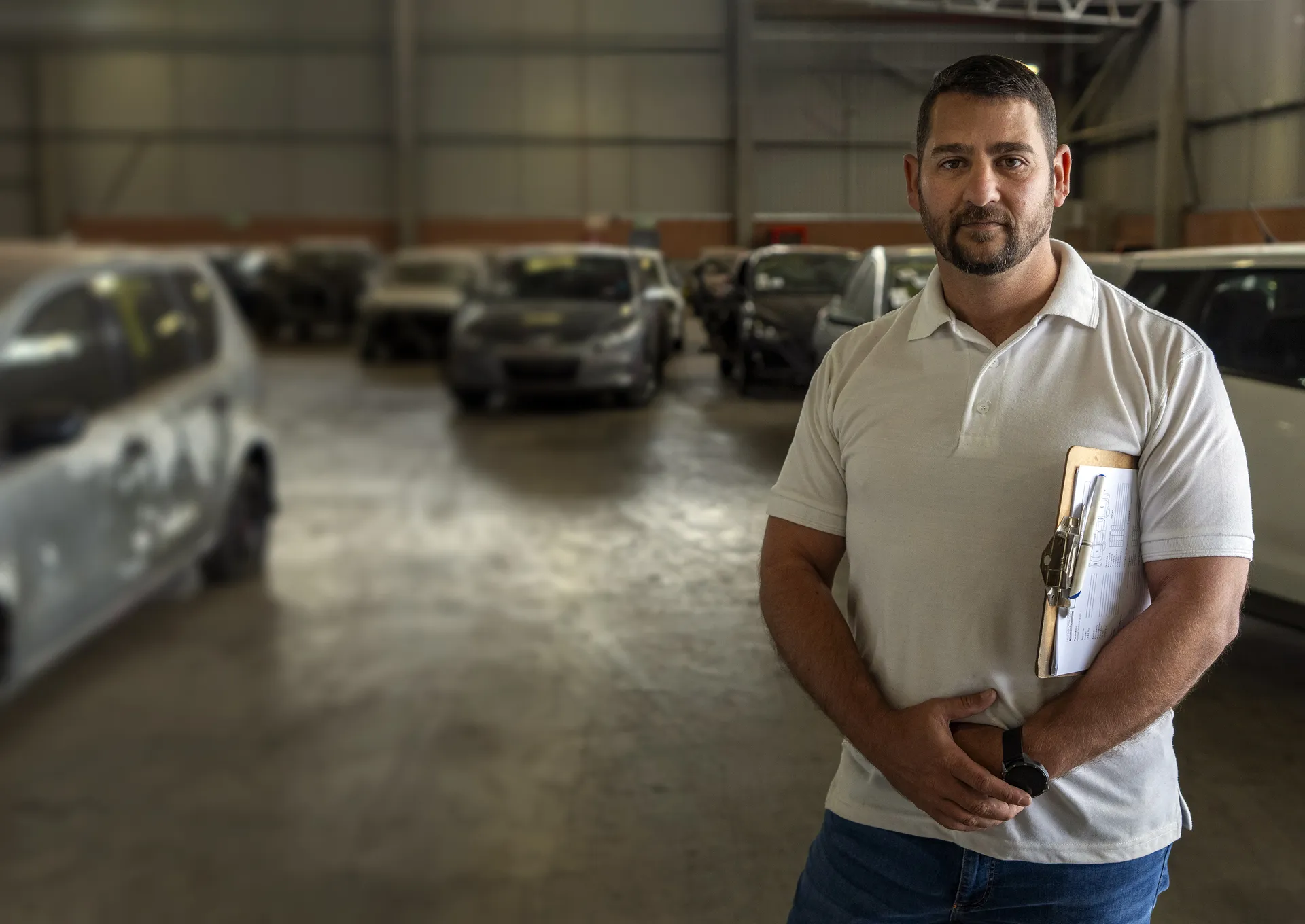
What Affects Valuation
Severity of fire, structural damage and parts demand determine offers.
Repair vs Sell Decision
Compare repair estimates to pre-fire value and factor in logistics.
Legal & Paperwork
Deregistration, finance status and insurer rules influence the process.
Overview: Valuing a Burnt Car in the Eastern Cape
A burnt car valuation differs from a standard resale appraisal because fire causes both visible and hidden damage to structure, wiring, mechanicals and interiors. If you own a fire-damaged vehicle in the Eastern Cape - whether in Gqeberha, Port Elizabeth suburbs, Mthatha or rural areas - understanding how buyers and insurers assess loss helps you make an informed decision about repair, insurance claims or selling to a salvage buyer.
Valuers look at: the extent of external burn, degree of heat exposure to mechanical components, smell and soot contamination, evidence of melted wiring or electronics, and whether the chassis or unibody has been compromised. Market factors for the Eastern Cape - transport costs to salvage yards, regional demand for parts, and scrap metal values - also affect offers.
Key factors that affect a burnt car valuation
- Severity of fire: exterior-only vs engine bay or cabin fire.
- Evidence of structural heat damage to chassis or suspension mounts.
- Electrical and ECU damage - often expensive to restore.
- Model, year and parts demand - some models retain more salvage value.
- Documentation: full service history and original ownership papers can improve buyer confidence.
Practical note: For owners in the Eastern Cape, logistical costs (transport to major salvage centres in Johannesburg or Cape Town) are often factored into offers. A locally accessible salvage network in the province can improve outcomes.
Repair cost vs retained value (example estimates)
| Typical repair scope | Estimated repair cost (R, indicative) | Likely value retained after repair (percentage) |
|---|---|---|
| Superficial exterior only (panels, paint) | R5,000 - R25,000 | 60%-85% |
| Cabin and electrical smoke damage, minor wiring | R25,000 - R80,000 | 40%-65% |
| Engine bay or structural heat damage | R80,000 - R250,000+ | 10%-40% |
Estimates above are illustrative and specific to South Africa; repair costs depend on parts availability, labour rates and the model. When repair cost approaches or exceeds the pre-fire market value, most owners consider a salvage sale or insurance write-off.
Who values burnt cars - common buyers and processes
- Insurers: If you lodge a claim, an appointed assessor will determine whether the vehicle is repairable or a total loss (written off).
- Salvage yards and dismantlers: Offer based on usable parts demand and scrap value.
- Cash-for-cars services: Provide a quote based on condition and logistics; some handle towing and paperwork.
To understand how a particular buyer reached their figure, ask for a written breakdown showing deductions for transport, salvageable parts value and administrative fees.
Learn more about the service process and what documents buyers typically require on our About / How it works page and the practical options for damaged vehicles on our Sell Damaged Cars page.
When to Repair vs. Sell a Burnt Vehicle
Deciding whether to repair or sell depends on repair cost estimates, sentimental value, roadworthiness post-repair and finance status. If the vehicle is under finance, the lender must be informed and their consent may be required before transfer or sale.
Damage types vs typical offer impact
| Damage type | Impact on valuation |
|---|---|
| External body & paint only | Lower deduction; parts often repairable or replaceable. |
| Interior smoke, upholstery, carpets | Moderate deduction; cleaning and part replacements needed. |
| Wiring, ECU and electronics | Significant deduction; replacement costs high and reliability uncertain. |
| Engine bay or structural heat damage | Largest deduction; often classed as an insurance write-off or salvage-only. |
How the valuation process typically works (step-by-step)
- Document the damage: multiple clear photos and brief notes about how and when the fire occurred.
- Get an independent estimate: salvage buyers and dismantlers provide condition-based quotes.
- If insured, request the assessor’s report and ask how the insurer determined write-off status.
- Compare offers and confirm what the buyer includes (free towing, paperwork assistance, deregistration help).
For owners considering a quick sale rather than repairs, our Sell Non-Running Car page explains the documentation typically required when a vehicle is not roadworthy. If you prefer an overview of service coverage across South Africa, see our homepage.
Legal & paperwork considerations in South Africa
- Deregistration and transfer: Transfer of ownership remains a core step. Specialist buyers often assist with deregistration and submitting the required documents to local traffic authorities.
- Vehicles under finance: The financier has a legal interest; settlement or lender approval is typically required before sale proceeds can be released.
- Insurance write-offs: If your insurer writes a vehicle off, they may retain salvage rights; check policy terms and discuss options with both insurer and potential buyers.
Tips to maximise the valuation outcome
- Provide complete documentation: service history, clear photos and ownership papers improve buyer confidence.
- Be transparent about prior damage and repairs - undisclosed issues can reduce offers or void agreements.
- Compare several valuations: contact insurers, dismantlers and reputable cash-for-cars services to understand the range.
- Confirm inclusions: free towing, paperwork handling and immediate payment reduce your out-of-pocket costs.
What happens after collection and sale
After you accept a valuation and arrange collection, most professional buyers will collect the vehicle (often via free towing), verify documentation, complete transfer paperwork and settle any payment due. Keep records of the transfer and receipts for your own protection.
Sources
- Automobile Association (AA) South Africa - Advice on written-off and salvaged vehicles
- South African Government - Vehicle registration and transfer information
- Road Traffic Management Corporation - eNaTIS and vehicle licensing context
If you need a valuation for a burnt car in the Eastern Cape, gathering clear photographs, full ownership details and any insurer correspondence will speed up the process. Professional buyers who offer free towing, paperwork assistance and transparent breakdowns make it easier to choose the route that fits your circumstances.
Seasoned automotive specialists dedicated to helping you turn your damaged or non-running vehicle into cash fast and hassle-free.
Disclaimer: This content is for educational purposes only. Product availability, pricing, and specifications are subject to change. Always verify current details on the retailer's website before making a purchase. We may earn affiliate commissions from qualifying purchases.
Why sell your damaged car to us?

A Division of Auction Nation, the leading expert in selling damaged cars

Best price for your damaged car

Get a cash offer within 24h

We buy damaged cars in any condition

We buy accident- damaged cars still under finance

Free, no obligation offer on your vehicle
How We Calculate Your Damaged Car’s Value
Wondering how we calculate your car’s value? At Sell Your Damaged Car, we look at: Your car’s real condition, its salvage value, and the current market demand. It’s all about honesty, transparency, and fairness — that’s how we determine your offer.
Frequently Asked Questions
Get answers to common questions about Damage Types
Why Choose Sell Your Damaged Car?
Free Towing
Need a tow? We got you
Hassle Free
Get a cash offer within 24h!
Nationwide
Somewhere remote? No problem!
