
Burnt Car Price Estimate South Africa - How Valuation Works for Fire-Damaged Vehicles
Learn how a burnt car price estimate in South Africa is calculated, what affects value, and practical steps to prepare a fire-damaged vehicle for sale.
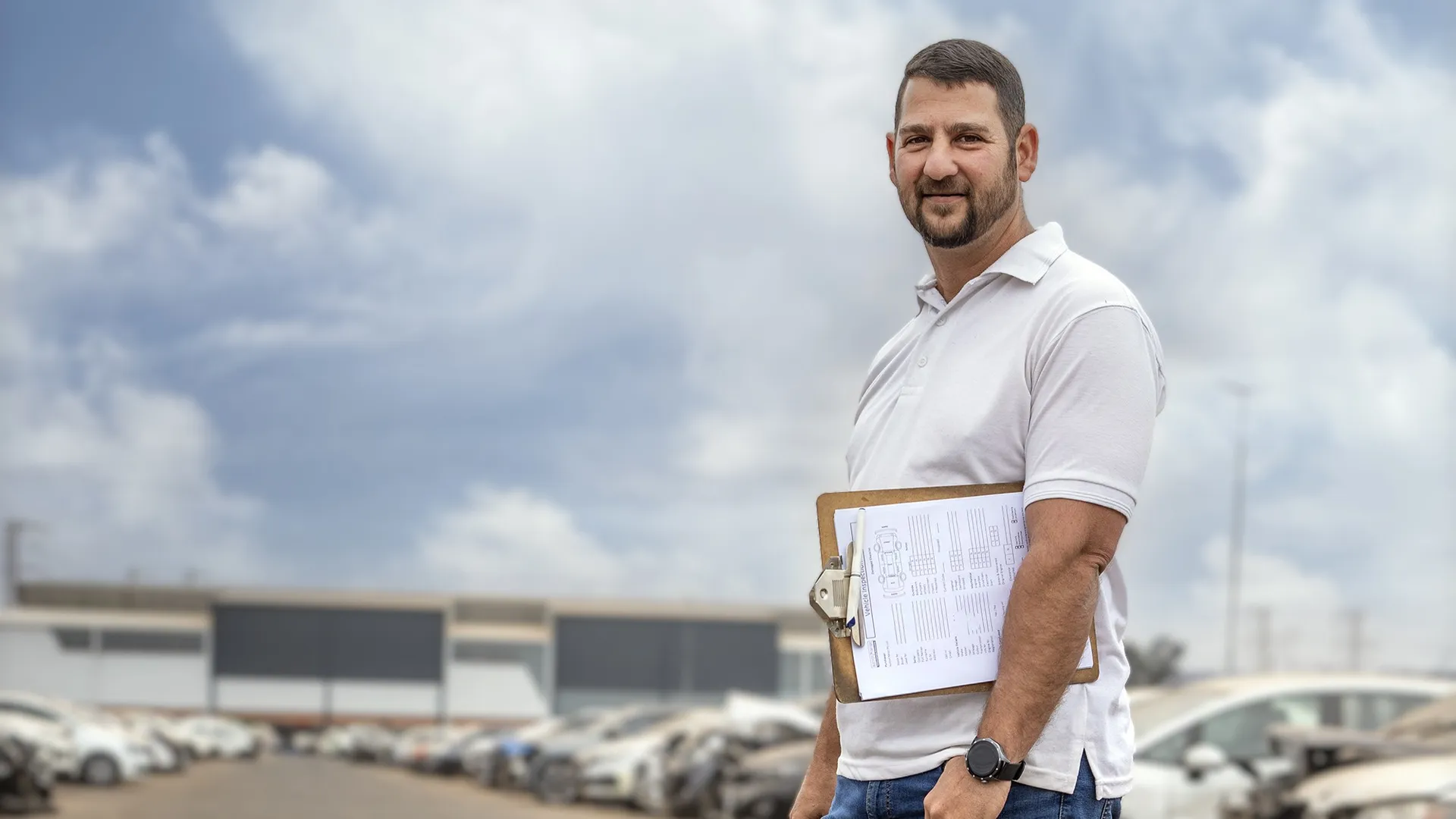
Key valuation factors
Fire location, structural damage and parts demand strongly influence estimates.
Paperwork matters
Clear documentation, VIN photos and finance details speed up offers.
Nationwide support
Buyers typically offer towing, deregistration help and fast payment processing.
Quick overview
A burnt car price estimate in South Africa depends on the fire extent, structural and mechanical damage, pre-loss market value and salvage demand. This guide explains how valuers and buyers assess fire-damaged vehicles, what paperwork matters in South Africa, and practical ways to prepare your car for a transparent valuation.
Overview: What determines a burnt car price estimate
When producing a burnt car price estimate in South Africa, buyers look at several interlinked factors. Key considerations include the area affected by the fire (engine bay, passenger compartment, or exterior), whether the chassis or load-bearing structure is compromised, the age and model of the vehicle, the availability of salvageable parts, outstanding finance, and the local salvage market demand in cities such as Johannesburg, Cape Town and Durban.
Primary valuation drivers
- Severity and location of the fire (electrical, engine, cabin, chassis).
- Structural integrity - frame or unibody damage reduces value heavily.
- Mechanical condition post-fire (engine, transmission, wiring harness).
- Pre-loss market value and parts demand for that make/model.
- Outstanding finance or liens on the vehicle.
- Documentation, keys and service history.
Repair cost vs retained value (rule-of-thumb)
| Damage severity | Typical repair cost (as % of pre-loss value) | Likely retained value (estimate) |
|---|---|---|
| Surface/trim fire (minor interior burn) | 10-30% | 40-80% of pre-loss value |
| Engine bay or wiring fire | 30-70% | 10-50% of pre-loss value |
| Structural/chassis fire | 60-100%+ | Often classified as total loss / salvage |
These figures are illustrative ranges used by valuers to judge whether repairs are economically viable. In many fire-damaged cases the vehicle is moved to a salvage or parts market rather than returned to the road.
When to sell vs repair a burnt vehicle
Deciding to repair or sell a burnt vehicle depends on safety, cost, and future resale prospects. If repair costs approach or exceed a large portion of the pre-loss market value, selling to a cash buyer or salvage specialist is often the more practical route for private owners and fleet managers.
Practical thresholds and considerations
- If repairs would compromise structural safety, do not attempt road repairs without qualified structural inspection.
- When repair estimates exceed roughly half the pre-loss value, consider selling for salvage or parts instead of investing more funds.
- For vehicles under finance, speak with the lender early - their consent or settlement figure will affect your options.
For a clear, step-by-step selling option and how we handle fire-damaged cars, review our explanation of the process on the About / How it works page.
Damage types vs typical offer impact
| Damage type | Typical impact on valuation |
|---|---|
| Surface/trim & upholstery burn | Lower impact if mechanicals intact; easier to repair or re-trim. |
| Wiring harness and electrical fire | Significant reduction; electrical repairs are costly and can cause lingering faults. |
| Engine compartment fire | High impact; may render vehicle a parts-only or salvage unit. |
| Chassis or structural fire | Severe impact; usually treated as total loss for safety and insurance purposes. |
If you want to compare selling a burnt vehicle to other non-running scenarios, our Sell Non-Running Car page explains how non-starters and fire-damaged cars are handled differently.
How the valuation and sale process works
A transparent burnt car price estimate normally follows a sequence: provide vehicle details and photos, receive an initial valuation range, allow an inspection if needed, accept a cash offer, and arrange collection. Specialist buyers evaluate photos, the VIN and service history, and when necessary, perform an on-site inspection before finalising the offer.
Typical steps for sellers
- Prepare clear photos: engine bay, cabin, underbody and VIN plate.
- Disclose known issues and any insurance or police reports (if applicable).
- Submit details to an established buyer; expect a fast initial estimate followed by confirmation after inspection.
- If you accept, arrange collection; reputable services include free towing and paperwork handling.
Sell Your Damaged Car's online process streamlines this: upload details, receive an offer, accept if suitable, and we collect the vehicle while handling deregistration and payment. See our main page for how to begin: Sell Your Damaged Car homepage.
Legal & paperwork considerations in South Africa
In South Africa you must transfer ownership correctly and disclose damage. If a vehicle is under finance, the lender must be informed and the redemption figure settled before an unencumbered transfer can take place. For fire incidents involving suspected arson or criminal activity, a police report may be required by insurers or buyers. Deregistration and licence transfer are handled through the licensing authority; reputable buyers will assist with these steps.
Common admin items buyers will request
- Proof of identity and vehicle ownership (certificate of registration).
- Service history, keys and any remaining documentation.
- A copy of the police docket, where applicable.
- Details of any outstanding finance or security interest on the vehicle.
Tips to maximise your burnt car price estimate
- Provide comprehensive, well-lit photos from multiple angles and a clear shot of the VIN.
- Gather all paperwork: registration, service book, proof of payment and any insurance or police reports.
- Remove personal items and note working accessories (radio, airbags, spare wheel) - these can add value in the salvage market.
- Be honest and complete in your description to avoid delays at inspection.
- Compare offers from reputable buyers and confirm what each offer includes (towing, paperwork, settlement of finance arrangements).
SA-specific note
Nationwide collection, paperwork assistance including deregistration, and guidance on vehicles under finance are common inclusions from established buyers - particularly useful for owners in Johannesburg, Cape Town and Durban who prefer a streamlined sale.
What happens after collection
After collection, buyers will finalise paperwork, arrange deregistration or transfer with the licensing authorities, and process payment. If the vehicle is under finance the buyer may liaise with the lender to settle the outstanding amount before completing the transfer. The vehicle then moves to salvage evaluation, parts recovery or an approved dismantler depending on its condition.
Common outcomes for burnt vehicles
- Repaired and returned to the road only if structural and safety standards are met and local regulations allow.
- Broken for parts where usable components retain value (engine parts, undamaged panels, wheels).
- Scrapped or recycled if extensively damaged or structurally compromised.
Sources
- Department of Transport, Republic of South Africa - vehicle registration and licensing information
- National Credit Regulator - guidance on outstanding finance and credit agreements in South Africa
- South African Insurance Association - insights into total loss, salvage and insurance practices
For more detail on selling damaged vehicles and our process for damaged or non-running cars, see our pages on Sell Damaged Cars and Sell Non-Running Car for practical next steps.
Seasoned automotive specialists dedicated to helping you turn your damaged or non-running vehicle into cash fast and hassle-free.
Disclaimer: This content is for educational purposes only. Product availability, pricing, and specifications are subject to change. Always verify current details on the retailer's website before making a purchase. We may earn affiliate commissions from qualifying purchases.
Why sell your damaged car to us?

A Division of Auction Nation, the leading expert in selling damaged cars

Best price for your damaged car

Get a cash offer within 24h

We buy damaged cars in any condition

We buy accident- damaged cars still under finance

Free, no obligation offer on your vehicle
How We Calculate Your Damaged Car’s Value
Wondering how we calculate your car’s value? At Sell Your Damaged Car, we look at: Your car’s real condition, its salvage value, and the current market demand. It’s all about honesty, transparency, and fairness — that’s how we determine your offer.
Frequently Asked Questions
Get answers to common questions about Damage Types
Why Choose Sell Your Damaged Car?
Free Towing
Need a tow? We got you
Hassle Free
Get a cash offer within 24h!
Nationwide
Somewhere remote? No problem!
