
Best Way to Sell a Flood-Damaged, Non-Running Car in South Africa
Learn practical steps to sell a flood-damaged, non-running car in South Africa, compare repair vs sell options, and understand paperwork and nationwide collection.
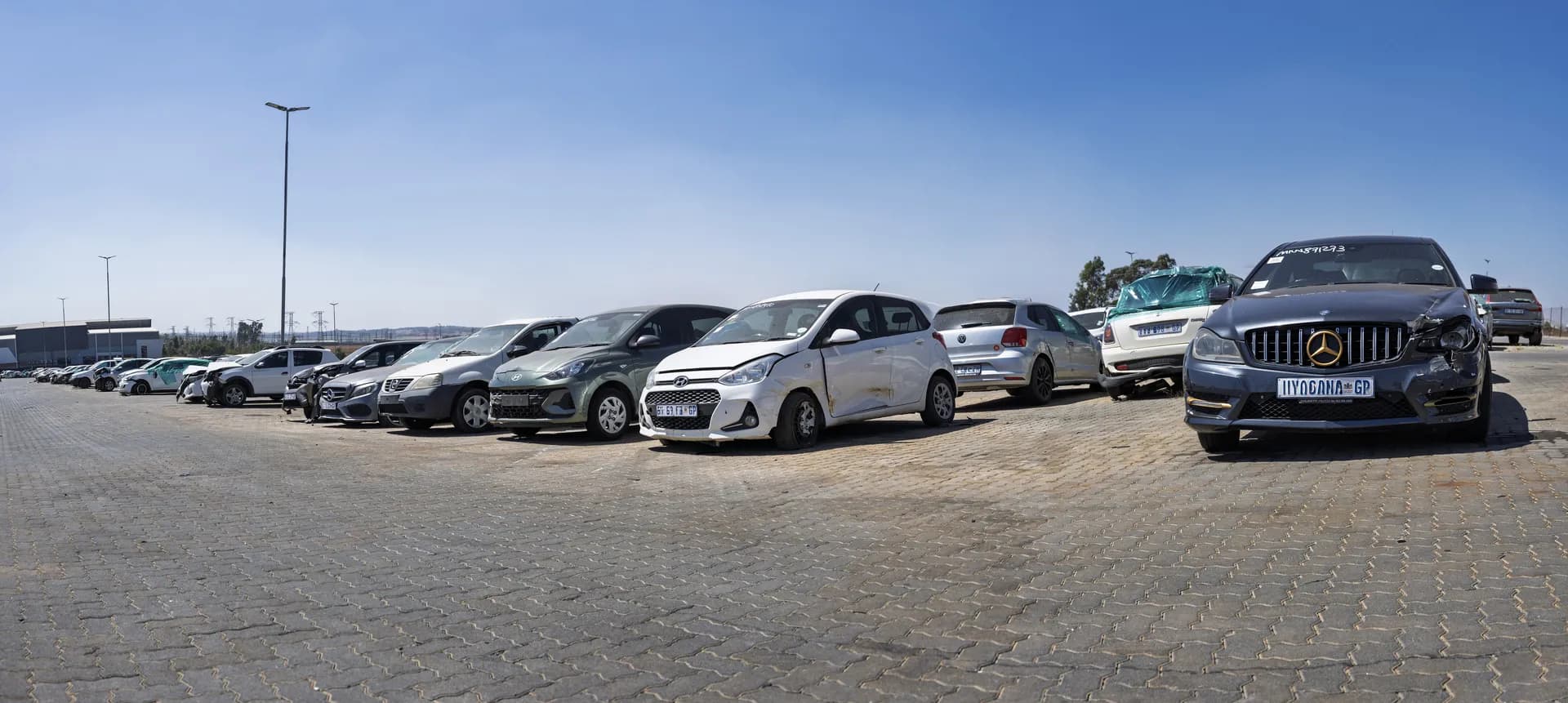
Assess Before You Decide
Document damage and weigh repair costs against market value.
Sell As-Is to Specialists
Specialist buyers handle towing, paperwork and quick payment.
Know SA Rules & Finance Steps
Confirm lender clearance and proper deregistration before sale.
Why this guide helps
Flood damage changes a vehicle’s condition, safety and resale path. This guide explains the best way to sell a flood-damaged, non-running car in South Africa, compares repair vs sell decisions, and lays out legal and practical steps tailored to Johannesburg, Cape Town, Durban and nationwide situations.
Overview: What 'flood-damaged, non-running' means for selling
A flood-damaged, non-running car typically has water intrusion into the engine bay, electronics, interior and sometimes the transmission. That combination often puts a vehicle into a salvage or repairable category rather than a standard private-sale market. When deciding the best way to sell a flood-damaged, non-running car, owners should consider safety, repair costs, insurance implications and market demand for parts or salvage.
Key immediate steps
- Document damage with clear photos and notes of where water reached (dashboard, engine bay, floor pan).
- Avoid attempting to start the engine - electrical shorts can cause fire or irreversible damage.
- Check whether the vehicle is under finance and inform the lender; selling a vehicle under finance requires settlement or lender authorisation.
When to sell vs repair a flood-damaged car
Deciding whether to repair or sell depends on repair cost relative to the car’s pre-flood market value, the extent of electrical and mechanical damage, and personal factors like time and risk tolerance. Repairs for extensive electrical and engine water damage can quickly exceed market value, especially for older models.
Repair cost vs value retained (example ranges for context)
| Scenario | Estimated repair range (R) | Typical retained value after repair (%) |
|---|---|---|
| Minor interior water, no engine intrusion | R5,000 - R20,000 | 60-80% |
| Engine/electrical repair required | R20,000 - R80,000+ | 30-60% |
| Severe flood / full replacement of systems | R50,000 - R150,000+ | 10-40% |
These figures are illustrative estimates for South African markets and will vary with make, model and regional salvage demand. If estimated repair costs approach or exceed the car’s market value, selling as-is is often the most practical route.
How the best selling routes compare
- Private sale after repair: May yield higher net sale price but includes repair cost, time, VAT and risk of failed buyer inspections.
- Sell for parts: Good for older models with high parts demand; reduces logistics but requires dismantling or specialist buyer.
- Sell to salvage/buyers who accept flood-damaged non-running cars: Often fastest and removes towing, paperwork and sales risk. For a streamlined option, consider specialist buyers who handle collection and admin.
If you want to explore a straightforward route to liquidate the vehicle, our Sell Non-Running Car page explains an online valuation and collection workflow: Sell Non-Running Car and a related overview is available on our About page: How it works.
Step-by-step: Best way to sell a flood-damaged, non-running car
1. Prepare accurate information
Collect photos (engine bay, VIN/chassis plate, interior, underbody) and record mileage, service history and a concise damage summary. Note whether water reached above the carpet line, into the dashboard or into the air intake - buyers rely on these details to value the car.
2. Choose the selling channel
For many owners of flood-damaged, non-running cars the fastest path is a specialist buyer who offers free collection, handles deregistration and provides a cash transaction. If you prefer to explore formal options, see the Sell Damaged Cars guide for differences between damaged and non-running valuations: Sell Damaged Cars.
3. Be clear on legal & paperwork steps in SA
When you sell, transfer of ownership and deregistration must be completed correctly. If the car is registered in South Africa and under finance, you will need lender clearance or a settlement arrangement. A reputable buyer should outline how they manage transfer forms, deregistration with relevant authorities and provide a written receipt to confirm the handover.
4. Understand how damage type affects offers
| Damage type | Impact on offers |
|---|---|
| Interior-only water (no electronics) | Moderate reduction; parts and cleaning valued. |
| Engine or ECU immersion | Significant reduction; classified as major flood loss frequently. |
| Prolonged submersion / structural corrosion | Severe reduction; often sold for parts or scrap. |
Practical tips to maximise your offer
- Supply clear, recent photos and honest descriptions - transparency builds trust and reduces re-inspection reductions.
- Provide service records and original keys or spares; these can improve valuations modestly.
- Confirm whether the buyer handles deregistration and settlement of finance - this avoids delays and legal issues.
- If you’re unsure, request a written offer that details inclusions: towing, paperwork handling and timing for payment.
What happens after collection
A specialist buyer will usually complete transfer forms, arrange deregistration with relevant authorities and process payment shortly after collection. Free nationwide towing is commonly offered by professional buyers to remove logistical barriers for owners across Cape Town, Johannesburg and Durban.
If you want to review our general service and process steps for selling vehicles across South Africa, see the homepage overview: Sell Your Damaged Car - Home. Choosing a buyer who operates nationwide reduces delays, especially after large flooding events when demand for towing and salvage rises.
Final considerations and South Africa-specific notes
Flood events in South Africa can be regional and sudden. Acting promptly preserves whatever value remains and avoids progressive corrosion or mould that further devalues the vehicle. Keep records of communications, written offers and proof of payment. If the car is insured, contact your insurer early; otherwise, selling as-is to a specialist buyer is a pragmatic alternative to costly and uncertain repairs.
Sources
Seasoned automotive specialists dedicated to helping you turn your damaged or non-running vehicle into cash fast and hassle-free.
Disclaimer: This content is for educational purposes only. Product availability, pricing, and specifications are subject to change. Always verify current details on the retailer's website before making a purchase. We may earn affiliate commissions from qualifying purchases.
Why sell your damaged car to us?

A Division of Auction Nation, the leading expert in selling damaged cars

Best price for your damaged car

Get a cash offer within 24h

We buy damaged cars in any condition

We buy accident- damaged cars still under finance

Free, no obligation offer on your vehicle
How We Calculate Your Damaged Car’s Value
Wondering how we calculate your car’s value? At Sell Your Damaged Car, we look at: Your car’s real condition, its salvage value, and the current market demand. It’s all about honesty, transparency, and fairness — that’s how we determine your offer.
Frequently Asked Questions
Get answers to common questions about Selling Guides
Why Choose Sell Your Damaged Car?
Free Towing
Need a tow? We got you
Hassle Free
Get a cash offer within 24h!
Nationwide
Somewhere remote? No problem!
