
Best Way to Sell a Salvage Car: Privately vs Selling to a Buyer in South Africa
Compare selling a salvage car privately or to a specialist buyer in South Africa. Learn legal steps, cost comparisons, and practical tips for maximising proceeds while minimising hassle.
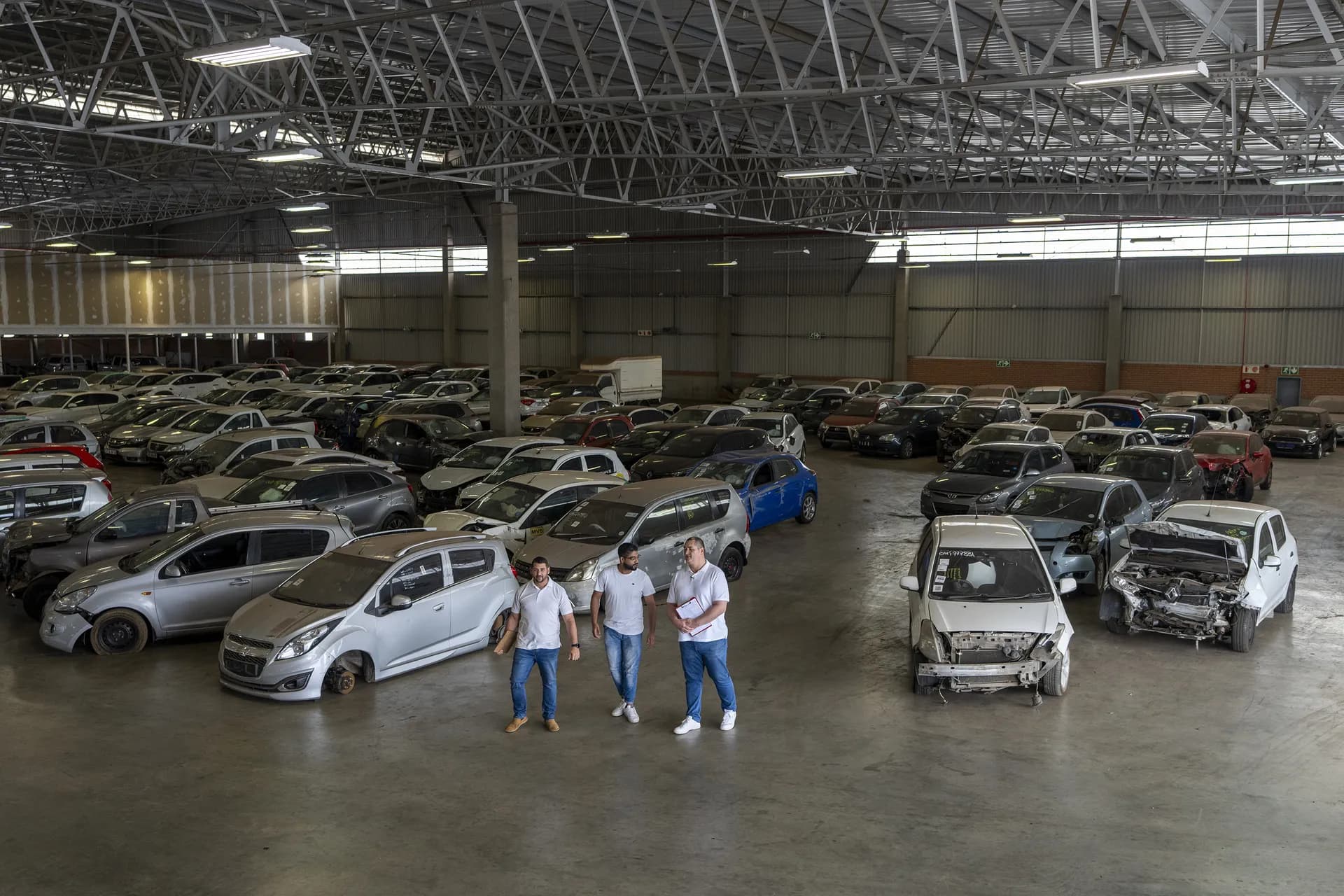
Private Sale May Net More
Best when repair costs are low and you can manage listings and viewings.
Specialist Buyer Is Lower Effort
Quicker sale with free towing, paperwork help and nationwide collection.
Check Finance & Paperwork
Ensure settlement or consent from financiers and handle deregistration correctly.
Overview: deciding the best way to sell a salvage car privately vs buyer
If your vehicle is classified as salvage or written off after accident, flood or fire, you face a key choice: try to sell it privately or sell to a specialist buyer. Each route affects price, time, paperwork and risk. This guide compares the options and explains South Africa-specific considerations so you can decide the best way to sell a salvage car privately vs buyer.
What we mean by "salvage" in South Africa
Salvage typically refers to vehicles declared a total loss by an insurer, or cars with structural, flood or fire damage where repair costs approach or exceed market value. Salvage cars still have market value - for parts, re-sellable components or repair by trade buyers - but selling them brings extra steps like clear disclosure, deregistration and compliance with roadworthy rules if repaired for road use.
Key factors to weigh
- Expected net proceeds after repair, parts sale or buyer offer.
- Time to sell and the effort required for inspections, ads and negotiations.
- Liability and disclosure requirements under South African consumer and motor vehicle laws.
- Practical logistics: towing, where the car sits, and whether it is under finance.
Quick note: Sell Your Damaged Car buys salvage vehicles nationwide and handles collection, paperwork (including deregistration) and payment - useful if you prefer a low-hassle sale. Learn more about our approach on the About our process.
When to consider selling privately
A private sale can sometimes deliver a higher gross price because individual buyers or hobbyists may pay more for a repair project. Consider selling privately if you believe the repair cost is low relative to the market value after repair, you have time to handle enquiries and you can safely host viewings or arrange transport.
Pros and cons at a glance
- Pros: Potential for higher sale price, control over the sale process.
- Cons: Time-consuming listings and negotiations; risk of no-shows; responsibility for disclosure and transfer; arranging paid towing if non-running.
When to sell to a specialist buyer
Selling to a specialist buyer or salvage purchaser is often the fastest, lowest-effort option. Specialist buyers value salvage based on parts demand, ease of transport and salvage market trends. They can collect nationwide and often handle paperwork, which removes logistical obstacles and reduces risk.
If the vehicle is non-running, severely damaged or held in a location where arranging transport is difficult, selling to a buyer that offers free towing is frequently the best way to avoid further costs. See our guidance on selling a Sell Non-Running Car for logistics tips.
Pros and cons at a glance
- Pros: Fast sale, free towing options, paperwork handled (deregistration), lower effort and lower risk.
- Cons: Offers may be lower than best-case private sale; valuation depends on salvage demand and condition.
Repair cost vs value retained (table)
| Scenario | Estimated repair cost (R) | Likely market value after repair (R) | Net value retained (R) - est. |
|---|---|---|---|
| Minor structural repair (cosmetic + small parts) | R8,000 - R20,000 | R40,000 - R60,000 | Positive margin possible (est.) |
| Major structural / chassis work | R25,000 - R70,000 | R30,000 - R70,000 | Often negative after costs (est.) |
| Total loss (flood/fire) | Repair often not viable | Value mainly from parts | Sell to buyer usually preferable |
Notes: R ranges are illustrative estimates for South Africa in 2024-2026 and will vary by make, model, age and parts availability. Always get local repair quotes before committing to repair for resale.
For condition-specific selling guidance, our Sell Damaged Cars resource explains how damage types affect valuation and logistics.
Damage types vs typical offer impact
| Damage type | Typical buyer impact | Selling privately vs buyer |
|---|---|---|
| Cosmetic / bumper damage | Low impact if mechanicals sound | Private sale may fetch more |
| Structural / chassis | High impact; safety concern | Buyer sale usually simpler |
| Flood or water damage | Major; electrical corrosion risk | Specialist buyers preferred |
| Fire damage | Severe; limited repair prospects | Sell to buyer for parts/salvage |
Legal, paperwork and finance considerations in South Africa
When deciding the best way to sell a salvage car privately vs buyer, check these SA-specific steps:
- Disclosure: Legally declare the vehicle's salvage/written-off status to prospective buyers.
- Deregistration & transfer: A buyer that handles deregistration simplifies the sale; private sellers must ensure transfer through the licensing authority to avoid future liability.
- Vehicles under finance: If the car is financed, you must settle or obtain written consent from the financier before transfer; many specialist buyers help coordinate settlement.
- Roadworthy certification: If you intend to repair and sell it back to the general market, obtain appropriate roadworthy or repair compliance documents required by local licensing authorities.
Practical examples
Example A - Private sale makes sense: A 2015 hatch with cosmetic front damage and no structural issues. Local repair quote R12,000; estimated post-repair resale value R70,000. If you can manage repairs and marketplace listings, private sale may yield a higher net return.
Example B - Buyer sale recommended: A 2012 sedan with water ingress and electrical faults. Repair estimates exceed likely resale value and vehicle is non-running. Selling directly to a specialist buyer that offers free towing and handles paperwork is usually the best way to avoid repair costs and storage fees.
Tips to maximise proceeds whichever route you choose
- Provide clear photos and accurate damage descriptions to attract the right buyers or get an accurate specialist offer.
- Gather service history, keys, and original paperwork - these improve confidence and offers.
- Compare multiple specialist buyers and private offers; ask for written offers and what each includes (towing, paperwork, settlement of finance).
- Consider logistics: free nationwide towing can save R1,000-R5,000 depending on location - factor that into the net comparison.
If you want a low-effort sale that handles collection and admin, compare specialist buyer services and their inclusions. For detailed steps on how a buyer-managed process works, see our explanation on the homepage.
Deciding checklist: private sale or specialist buyer?
- Is the vehicle safe and roadworthy after repair? If yes and repair costs are low, private sale could be worthwhile.
- Is the vehicle non-running or severely damaged? If yes, a buyer that offers free towing and paperwork is often the best way.
- Is the vehicle under finance? Confirm settlement steps before committing to any sale route.
- Do you have time and capacity to manage listings, viewings and negotiations? If not, a specialist buyer reduces time and risk.
Sources
Seasoned automotive specialists dedicated to helping you turn your damaged or non-running vehicle into cash fast and hassle-free.
Disclaimer: This content is for educational purposes only. Product availability, pricing, and specifications are subject to change. Always verify current details on the retailer's website before making a purchase. We may earn affiliate commissions from qualifying purchases.
Why sell your damaged car to us?

A Division of Auction Nation, the leading expert in selling damaged cars

Best price for your damaged car

Get a cash offer within 24h

We buy damaged cars in any condition

We buy accident- damaged cars still under finance

Free, no obligation offer on your vehicle
How We Calculate Your Damaged Car’s Value
Wondering how we calculate your car’s value? At Sell Your Damaged Car, we look at: Your car’s real condition, its salvage value, and the current market demand. It’s all about honesty, transparency, and fairness — that’s how we determine your offer.
Frequently Asked Questions
Get answers to common questions about Comparison And Alternatives
Why Choose Sell Your Damaged Car?
Free Towing
Need a tow? We got you
Hassle Free
Get a cash offer within 24h!
Nationwide
Somewhere remote? No problem!
