
Best Valuation Tools for Damaged Vehicles in South Africa
Learn which valuation tools to use for damaged, non-running or written-off vehicles in South Africa. Compare market and salvage approaches and get SA-specific tips.
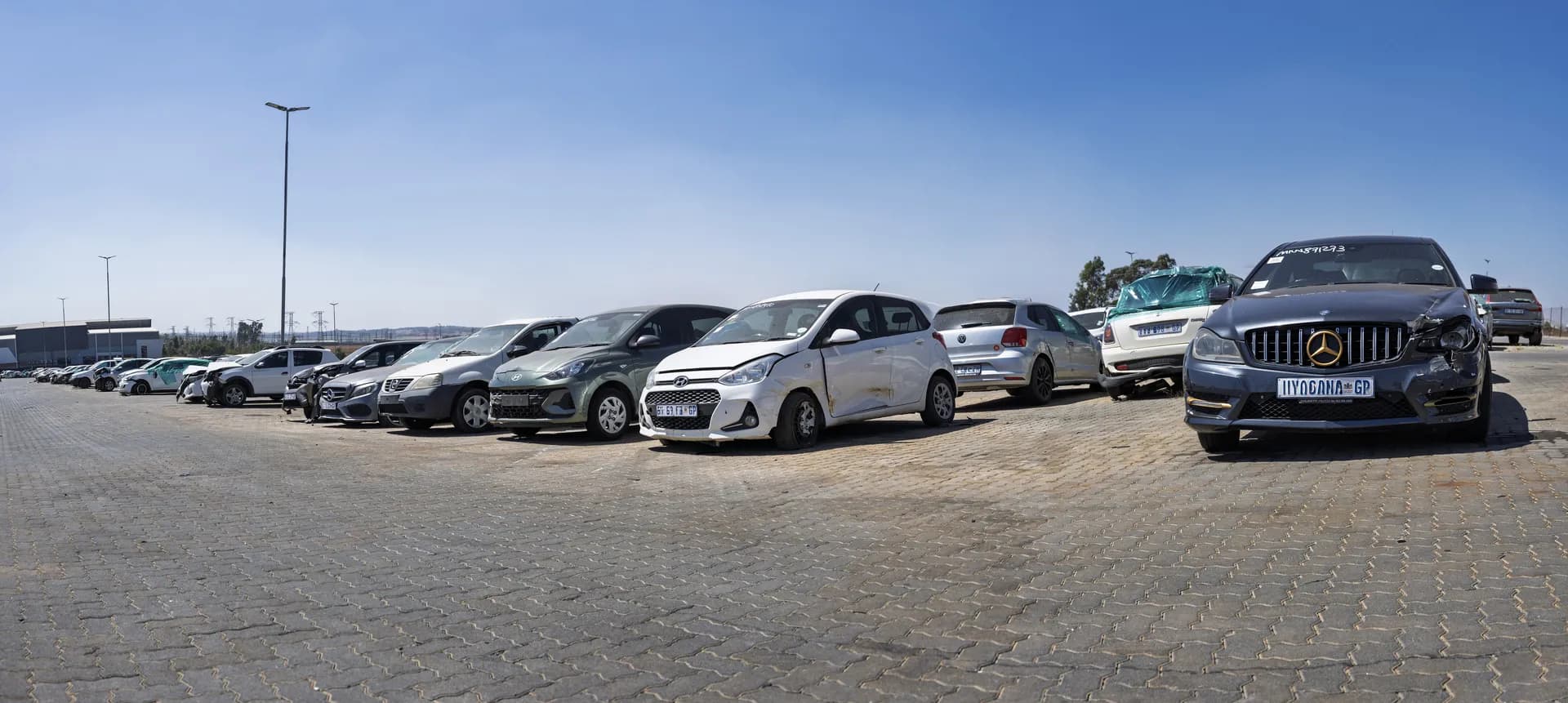
Combine Multiple Tools
Use market, salvage and photo-based estimates for a realistic valuation.
Document Condition Carefully
Clear photos and service history improve offers for damaged cars.
Account for SA Logistics
Towing, deregistration and regional demand affect net value.
Overview: Why valuation tools matter for damaged vehicles
Accurately valuing a damaged vehicle is the first step to getting a competitive cash offer. "Best valuation tools for damaged vehicles" means using methods and resources that reflect South Africa's salvage demand, local parts costs, and resale markets. This guide explains practical tools, how they differ, and how to use them to set expectations before you submit your vehicle for an online offer.
Types of valuation tools
- Automated market-value estimators (price guides and classifieds aggregates)
- Salvage and dismantler valuations (trade-only pricing for parts or scrap)
- Manual appraisal checklists for visible damage and mechanical condition
- Hybrid tools that adjust clean-market value by damage severity and repair cost estimates
Practical note: For South Africa, combine at least two approaches - a market-value check against local classifieds and a salvage-based estimate - to capture both retail demand in cities like Johannesburg and dealer/dismantler interest nationwide.
When to use each tool
Automated estimators are useful for quick ballpark figures. Salvage valuations matter when a vehicle is written-off or has major structural damage. Manual checklists are valuable when photos are inconsistent or the vehicle is non-running. Use a hybrid approach when you plan to compare a private repair route with a cash sale to a buyer that specialises in damaged cars.
Repair cost vs value retained (example)
| Repair cost (estimate, R) | Typical impact on retained retail value |
|---|---|
| R10,000 | Minor hit; may retain 80-90% of pre-damage retail value (estimate) |
| R40,000 | Major cosmetic/structural repairs; retained value often 50-70% depending on age |
| R80,000+ | Often uneconomic to repair; market shifts to salvage pricing or part-out value |
Estimates above are illustrative and will vary by make, model, mileage and region. In Gauteng and Western Cape, demand for late-model parts can lift salvage values slightly compared with smaller towns.
When to sell vs repair: valuation tool signals
Use valuation tools together to decide whether to repair or sell. If combined repair estimates plus remaining market value are lower than a salvage-based cash offer, selling is often the simpler, lower-risk option. Tools that estimate dismantler interest, scrap metal value and part demand are especially useful when the car is written-off or non-running.
If you want to see a real-world process for selling without repair, our overview explains the steps and what we handle for sellers. Learn more on our About / How it works page.
Damage types vs typical offer impact
| Damage type | Typical valuation tool adjustment |
|---|---|
| Minor bumper/trim | Small downward adjustment; retail value largely intact |
| Structural/chassis damage | Significant reduction; many tools switch to salvage logic |
| Flood or fire damage | High impact; electronic and interior components devalued heavily |
| Non-running / seized engine | Value aligned to parts/scrap unless cost-effective to repair |
For a practical valuation that uses photos and condition notes, consider comparing automated estimates with a specialist buyer. See our Sell Damaged Cars guidance for what buyers look for when assessing photos and descriptions: Sell Damaged Cars.
How the valuation process works in practice
A robust valuation workflow for damaged vehicles typically follows these steps: gather comparable clean-market prices, estimate repair costs (parts and labour), adjust for regional salvage demand, and confirm logistics such as towing and paperwork. Combining multiple tools reduces surprises and improves your negotiating position when you seek a cash offer.
Practical tools to combine
- Classifieds and price aggregators (Autotrader and local marketplaces) to determine pre-damage retail values
- Parts catalogues and dismantler price lists to estimate salvage value
- Photo-based appraisal services or specialist buyer forms for condition-specific offers
If your vehicle is non-running, see tailored guidance on assessing non-starters - our page explains typical documentation and information buyers need: Sell Non-Running Car. This helps you provide the right photos and details to valuation tools.
Legal & paperwork considerations in South Africa
Valuation tools do not replace legal checks. Confirm whether the vehicle is under finance, has outstanding fines, or is recorded as written-off with insurers. Buyers who purchase salvage often require signed transfer documents and may assist with deregistration. When comparing tools, factor in any administrative costs or delays that affect net proceeds.
Tips to maximise your offer when using valuation tools
- Provide clear photos from multiple angles and close-ups of damage and the VIN plate to improve photo-based estimates.
- Gather service history and keys - these can lift offers even for damaged cars.
- Compare at least two valuation outputs (clean market and salvage) and note logistics like free towing and paperwork handling that affect net value.
Experience-based example: In Cape Town and Durban, demand for certain late-model parts can increase salvage offers; in remote areas the cost of collection matters more. When you request an online offer, disclose location so the buyer can include free towing in their evaluation. For an explanation of how our process handles collection and payment, review our homepage details: Sell Your Damaged Car homepage.
What happens after collection
Once you accept a cash offer and the buyer arranges collection, typical next steps include signing transfer documents, handing over keys and relevant documents, and confirming payment. Good buyers handle deregistration or provide guidance for clearing finance. Keep copies of all transfer paperwork and a written receipt for your records.
Using multiple valuation tools before you accept an offer helps you confirm that the buyer's figure aligns with market realities. For sellers across Johannesburg, Cape Town, Durban and surrounding areas, transparency about towing, paperwork and payment timing reduces risk and speeds completion.
Sources
- Autotrader South Africa - used car listings and price references
- AA South Africa - motoring advice and valuation guidance
- TransUnion South Africa - vehicle data and market insights
This guide provides practical, South Africa-specific steps for comparing valuation tools. Figures shown are examples and estimates; actual values depend on the vehicle, region and market demand. Use multiple valuation approaches and documented photos to arrive at a fair expectation before engaging with buyers.
Seasoned automotive specialists dedicated to helping you turn your damaged or non-running vehicle into cash fast and hassle-free.
Disclaimer: This content is for educational purposes only. Product availability, pricing, and specifications are subject to change. Always verify current details on the retailer's website before making a purchase. We may earn affiliate commissions from qualifying purchases.
Why sell your damaged car to us?

A Division of Auction Nation, the leading expert in selling damaged cars

Best price for your damaged car

Get a cash offer within 24h

We buy damaged cars in any condition

We buy accident- damaged cars still under finance

Free, no obligation offer on your vehicle
How We Calculate Your Damaged Car’s Value
Wondering how we calculate your car’s value? At Sell Your Damaged Car, we look at: Your car’s real condition, its salvage value, and the current market demand. It’s all about honesty, transparency, and fairness — that’s how we determine your offer.
Frequently Asked Questions
Get answers to common questions about Comparison And Alternatives
Why Choose Sell Your Damaged Car?
Free Towing
Need a tow? We got you
Hassle Free
Get a cash offer within 24h!
Nationwide
Somewhere remote? No problem!
