
Best Scrap Value for Written-Off Cars in SA - What Owners Need to Know
Learn what affects scrap value for written-off vehicles in South Africa, how offers are calculated, paperwork to check and tips to get a better outcome.
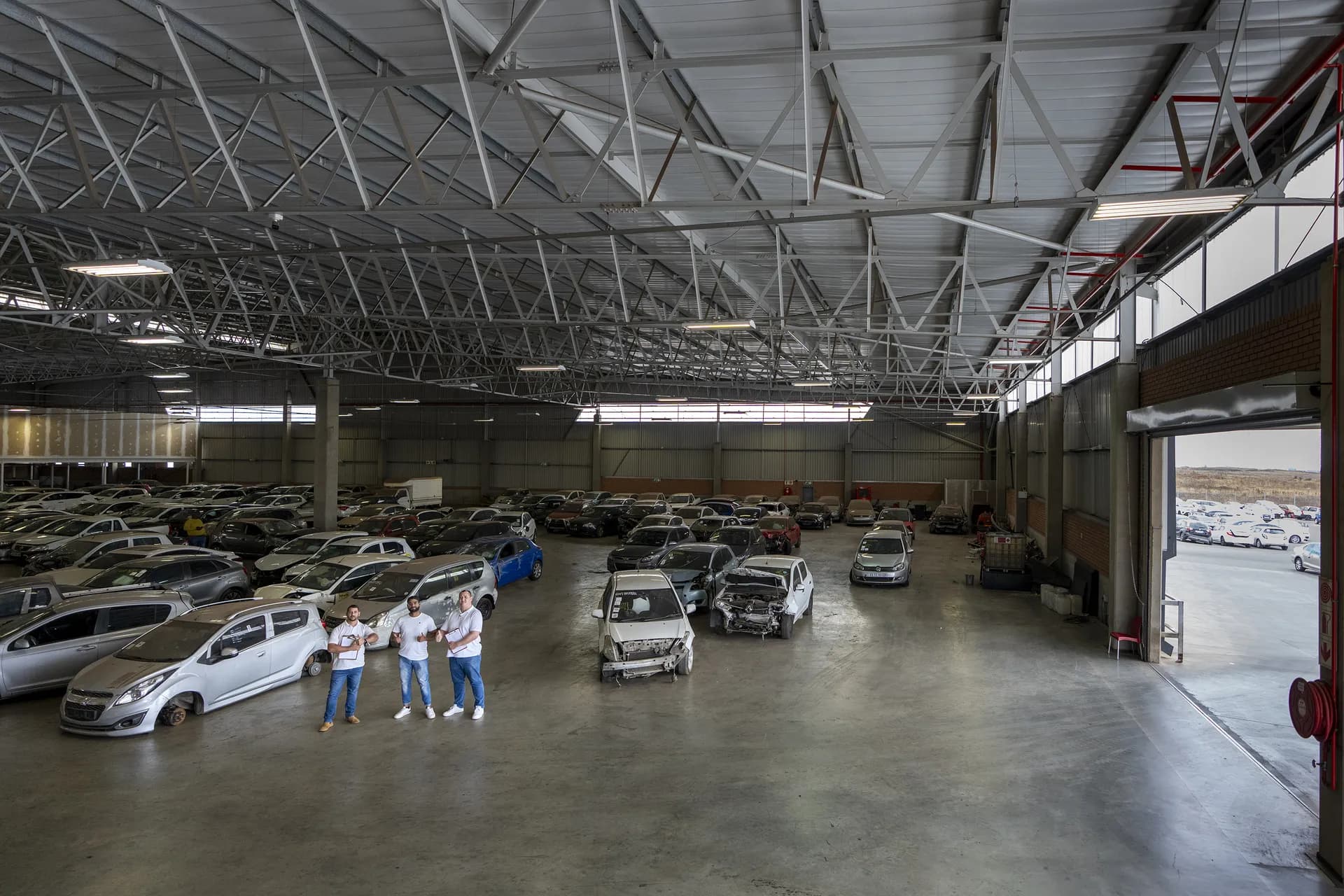
What Determines Scrap Value
Parts demand, metal weight, location and paperwork affect the final offer.
Sell vs Repair Decision
Choose scrap when repair costs are a large share of market value or vehicle is non-running.
Protect Yourself
Get multiple quotes, confirm deregistration and prefer buyers who handle towing.
Overview: What 'scrap value' means for written-off cars in SA
If your car has been declared written-off after an accident, flood or fire, the term scrap value refers to the cash you can get for the vehicle’s remaining usable parts, metal and any transferable components. In South Africa this value depends on factors such as vehicle make and model, salvageable parts demand, metal prices, location and the vehicle’s paperwork status. Knowing how scrap value is calculated helps you choose between selling for parts, recycling through a scrap yard or using a specialist buyer.
Why scrap value varies
Scrap value is not a fixed percentage of the vehicle’s market price. It reflects recoverable material worth and market demand. For example, popular SUVs and late-model passenger cars often yield higher parts value than older economy cars. The cost of transport and the buyer’s ability to re-sell parts or recycle metals also affects the offer you receive.
Quick note: Scrap and salvage markets change; estimates below are indicative for South Africa and shown in R. Use local quotes to confirm actual values.
When to sell as scrap vs repair or trade-in
Deciding whether to accept scrap value depends on repair cost, residual value and your personal or business needs. If repairs exceed a large share of the vehicle’s insured or market value, or if the vehicle is non-running and has limited re-sale demand, selling for scrap is often the faster and lower-effort option.
Repair cost vs value retained
| Scenario | Typical outcome | When scrap is preferable |
|---|---|---|
| Repair cost < 30% of market value | Repair often makes financial sense | Only if time or cash flow prevents repair |
| Repair cost 30-70% of market value | Consider age, future reliability and resale demand | Scrap if vehicle is high-risk or non-running |
| Repair cost > 70% of market value | Repair usually not economical | Scrap or sell to a specialist buyer |
For fleets in Johannesburg, Cape Town or Durban, downtime and storage costs also push the decision toward selling for scrap. If you want a quick comparison, a free online valuation from a specialist can help you decide-see our home page for a simple starting point: Sell Your Damaged Car homepage.
How scrap and salvage buyers calculate offers
Buyers estimate scrap value by assessing three components: reusable parts value, recyclable metal weight, and costs (towing, dismantling, regulatory compliance). Specialist buyers that resell parts typically pay more than metal-only scrap yards because they capture higher value on components like engines, transmissions, airbags and electronics.
Damage types vs typical offer impact
| Damage type | Typical impact on offer |
|---|---|
| Frame/structural damage | Large negative impact; reduces parts value |
| Engine/transmission intact | Significantly increases offer if removeable |
| Flood damage | Lower offers due to electronics corrosion risk |
| Minor panel damage | Moderate impact; many parts remain valuable |
If you want a detailed explanation of what we buy and how offers are formed, our Sell Damaged Cars and Sell Non-Running Car pages explain typical inclusions and exclusions: Sell Damaged Cars and Sell Non-Running Car.
Practical example (estimate)
As an illustration only: a 2012 mid-size sedan with serious front-end damage but an intact engine might attract a specialist-parts offer of several thousand rand (R) above the pure metal price. Metal-only offers depend on the vehicle's weight and scrap metal rates and are often lower. All figures are indicative and vary regionally across SA.
How the selling process typically works for written-off cars
Most sellers follow these steps: gather photos and documentation, get multiple quotes, accept an offer, arrange collection and complete paperwork. Specialist buyers and services that handle towing and admin reduce hassle and lower risk of scams or payment delays.
Step-by-step
- Provide vehicle details and clear photos so buyers can assess parts and damage remotely.
- Compare quotes from both scrap yards and specialist dismantlers who resell parts.
- Confirm the paperwork process - especially deregistration and transfer of ownership - before collection.
- Arrange collection; many nationwide services offer free towing which reduces your costs and effort.
If you prefer a straightforward, managed option that handles collection and admin, learn more about how the company process works: About / How it works.
Legal & paperwork considerations in South Africa
Transferring a written-off vehicle requires clear paperwork. Check that the buyer will provide a completed sale agreement, handle deregistration where applicable, and give proof of payment. If the vehicle is under finance, inform the financier - you may need settlement paperwork to clear the title. Failure to follow proper steps can leave you liable for registration or outstanding liabilities.
Checklist for sellers
- Valid ID and proof of ownership (registration papers)
- Written sale agreement with buyer details
- If under finance, written confirmation from financier or settlement statement
- Bank details and proof of payment before handing over keys
Tips to maximise scrap value and avoid pitfalls
Small steps can increase offers: keep and document serviceable components, remove personal items, and provide clear photos showing intact mechanical components. Getting multiple quotes is essential - specialist dismantlers often pay more than scrap-only buyers because they can resell parts.
Practical seller tips
- Document condition with date-stamped photos and a short descriptions of major components
- Ask if the buyer covers towing; free collection saves money and time
- Confirm how the buyer will handle deregistration and whether they provide written proof
- Avoid offers that require you to pay towing or to deliver the vehicle without verified payment
What happens after collection
After the vehicle is collected the buyer will dismantle, recycle or export parts depending on demand. You should receive written confirmation that the vehicle has been collected and a final payment receipt. Ensure the buyer provides confirmation that registration has been transferred or cancelled where required. For fleet operators, keep these records for asset and tax reconciliation.
Common timelines
Typical timelines are immediate collection scheduling (1-7 days) and paperwork finalisation within 7-21 days. Payment timing varies by buyer; many reputable buyers release payment on collection or provide near-instant payment verification.
Final considerations for South African owners
Market conditions and metal prices move, so treat any single quote as indicative. For owners in Cape Town, Durban or Johannesburg, also factor in transport distances and local demand for parts. If you want an efficient, managed approach that includes free towing and paperwork handling, a specialist service can reduce time and paperwork burden while delivering a competitive outcome.
Useful links
If you are ready to compare managed options or get an online valuation, start by visiting the company homepage or relevant service pages for damaged and non-running vehicles: Sell Your Damaged Car homepage and Sell Damaged Cars.
Sources
Seasoned automotive specialists dedicated to helping you turn your damaged or non-running vehicle into cash fast and hassle-free.
Disclaimer: This content is for educational purposes only. Product availability, pricing, and specifications are subject to change. Always verify current details on the retailer's website before making a purchase. We may earn affiliate commissions from qualifying purchases.
Why sell your damaged car to us?

A Division of Auction Nation, the leading expert in selling damaged cars

Best price for your damaged car

Get a cash offer within 24h

We buy damaged cars in any condition

We buy accident- damaged cars still under finance

Free, no obligation offer on your vehicle
How We Calculate Your Damaged Car’s Value
Wondering how we calculate your car’s value? At Sell Your Damaged Car, we look at: Your car’s real condition, its salvage value, and the current market demand. It’s all about honesty, transparency, and fairness — that’s how we determine your offer.
Frequently Asked Questions
Get answers to common questions about Comparison And Alternatives
Why Choose Sell Your Damaged Car?
Free Towing
Need a tow? We got you
Hassle Free
Get a cash offer within 24h!
Nationwide
Somewhere remote? No problem!
