
Best Scrap Car Prices Per Kg South Africa - What Owners Should Know
Learn how scrap car prices per kg are set in South Africa, what affects offers, and practical steps to compare scrap and salvage buyers while protecting your sale.
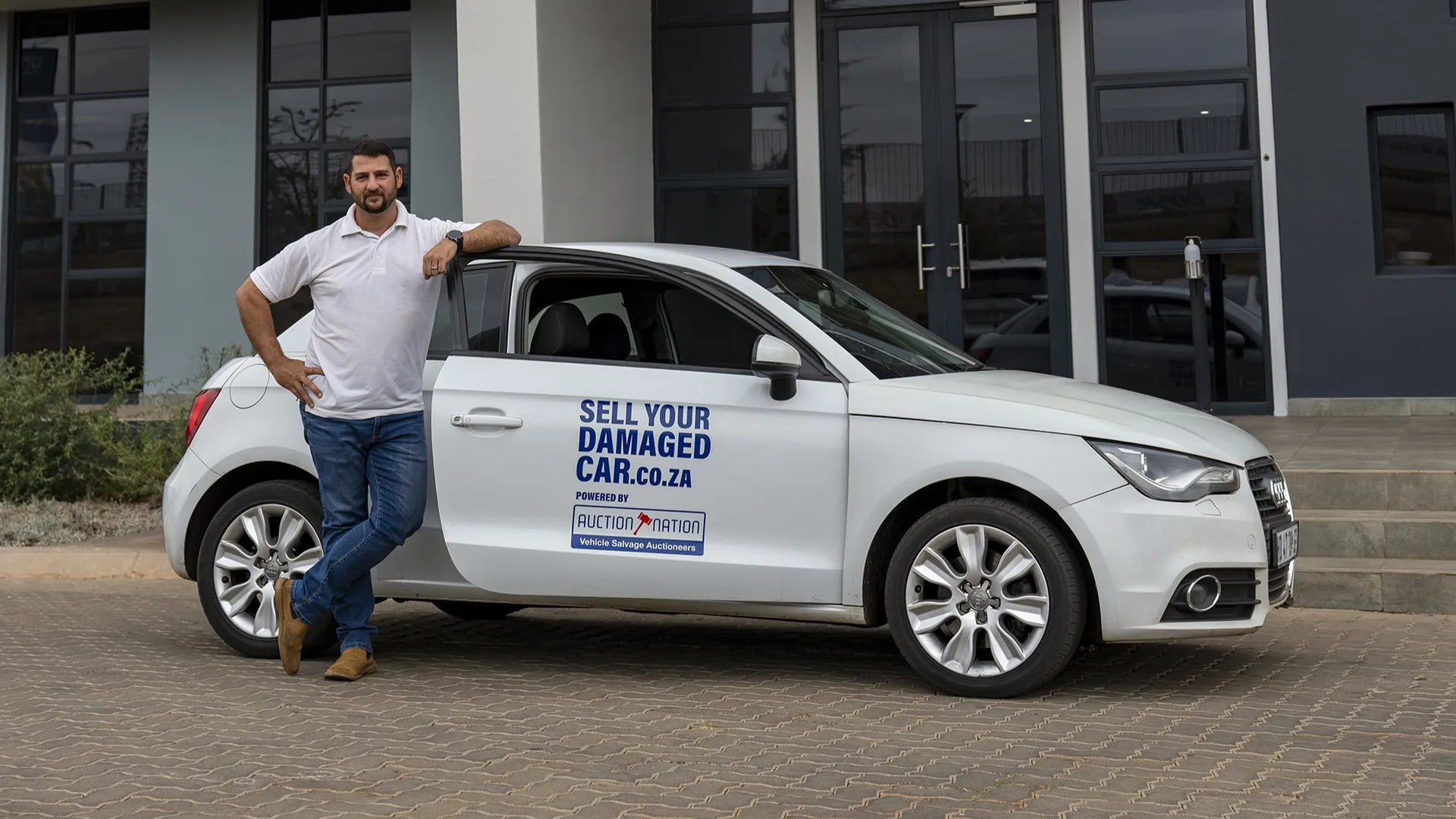
Understand Per-Kg vs Salvage Offers
Per-kg rates are a baseline; parts and salvage value often raise whole-vehicle offers.
Factor in Towing & Paperwork
Free nationwide towing and deregistration improve net proceeds for sellers.
Get Multiple Quotes
Compare scrap-per-kg rates with specialist salvage buyers for the best outcome.
Overview: best scrap car prices per kg South Africa
Searching for the best scrap car prices per kg South Africa can feel confusing: rates move with local metal markets, vehicle condition and dismantling costs. This guide explains how buyers and breakers calculate per-kilogram values, the key factors that change offers, and how a nationwide service that handles towing and paperwork can make selling simpler. If you want to compare options quickly, start at our homepage to see how an online valuation works.
How scrap pricing works in South Africa
Scrap car prices per kg are typically derived from the value of recyclable metals in a vehicle (steel, aluminium, copper) minus processing, transport and regulatory costs. Local demand for scrap metal, export markets, and the price paid by furnaces or recyclers set the base industry rate. For cars, dismantlers also factor in recoverable parts and the effort to separate materials.
Note: Per-kg rates are helpful for rough comparison, but many buyers price whole vehicles based on condition, parts value and towability - not only raw metal weight.
When to sell for scrap vs repair
- If estimated repair costs exceed market value, or the vehicle is written-off, selling for scrap or to a specialist buyer is often the quicker, lower-risk option.
- If key components (engine, gearbox) are intact and in demand, dismantlers may pay more than the straight per-kg rate - get quotes from both breakers and vehicle buyers.
- For non-running cars, factor in towing costs and deregistration; services that include free towing and paperwork can improve net proceeds.
Repair cost vs value retained (example table)
| Scenario | Estimated repair range (R) | Typical retained market value impact |
|---|---|---|
| Minor bumper & panel damage | R3,000 - R12,000 | Value largely retained if professionally repaired |
| Structural/frame or airbag deployment | R20,000 - R80,000+ | Often written-off; scrap or salvage market more realistic |
| Major engine/transmission failure | R15,000 - R60,000+ | Depends on parts demand; sometimes better sold as non-running |
These figures are illustrative estimates for South Africa and will vary by region, vehicle age and parts availability. If repair estimates approach the higher ranges in this table, consider a sale to a specialist instead of paying for repairs.
Damage types vs typical offer impact
| Damage type | Typical impact on offer |
|---|---|
| Superficial bodywork | Minor reduction; parts resale potential remains |
| Engine destroyed or missing | Significant reduction; price closer to scrap per kg |
| Flood or fire damage | Offers vary widely; corrosive damage lowers parts value |
A specialist buyer can often provide a clearer valuation than a pure scrap-per-kg buyer because they include parts resale and salvage demand in the offer. Learn how our online valuation compares to scrap-only pricing on the Sell Damaged Cars page.
How the process works when selling for scrap or salvage
Typical steps when you sell a damaged car for scrap in South Africa include: getting photos and vehicle details, receiving a valuation, accepting an offer, arranging collection and completing paperwork. Using a service that offers free towing, handles deregistration and pays quickly reduces out-of-pocket costs and delays. For a clear walkthrough of our steps, see the About / How it works page.
Legal and paperwork considerations in South Africa
- Deregistration: sellers should ensure the deregistration or transfer process is handled; unpaid registration can leave liability. Many buyers offer paperwork assistance.
- Vehicles under finance: if your car is bonded, you must settle or arrange lender consent; buyers will often coordinate pay-out settlements with the finance company.
- Written-off or salvage titles: disclose the vehicle status truthfully; inaccurate declarations can delay payment or collection.
Tips to maximise the per-kg or salvage offer
- Provide clear photos of the whole vehicle and close-ups of damage and VIN. Accurate info reduces conservative estimates from buyers.
- Remove personal items and make a list of serviceable parts (tyres, battery, stereo) - parts in good condition can increase a dismantler’s offer.
- Get multiple quotes: compare per-kg scrap offers with specialist salvage buyers who price parts and usable components.
- Factor in logistics: a per-kg quote that ignores towing or admin costs may be less attractive once expenses are included. Services offering free nationwide towing improve net proceeds - see our Sell Non-Running Car page for how this works.
What happens after collection
After collection, buyers typically confirm vehicle condition, complete transfer or deregistration paperwork, and process payment. Timeline depends on the buyer’s internal checks and whether the vehicle is bonded. Choose a buyer who clearly states handling times and payment method to avoid surprises.
Practical South Africa example
Example scenario (illustrative only): a decade-old small hatchback with a non-running engine and intact body panels may receive a lower per-kg scrap baseline but a higher salvage offer if usable parts (wheels, electronics) are marketable. Estimates for processing, towing and paperwork vary by region - costs in metros such as Johannesburg, Cape Town and Durban can differ from remote areas. Using a nationwide buyer who provides free towing and paperwork handling reduces these regional differences.
Final checklist before you sell
- Collect clear photos, a service history if available, and the vehicle’s VIN.
- Confirm whether the buyer covers towing, deregistration and settlement of any finance.
- Ask for a written offer that outlines inclusions (parts, scrap, towing) and payment timing.
Sources
- South African Department of Transport - official regulations and guidance
- World Steel Association - global steel market context and recycled metal demand
- BusinessTech South Africa - industry reporting on scrap and recycling trends
Sources offer background on market drivers and regulation; local prices and offers will vary by buyer, region and vehicle specifics. When comparing per-kg scrap rates, always confirm whether the quoted rate is gross (metal only) or a net offer that includes collection, paperwork and differentials for parts value.
Seasoned automotive specialists dedicated to helping you turn your damaged or non-running vehicle into cash fast and hassle-free.
Disclaimer: This content is for educational purposes only. Product availability, pricing, and specifications are subject to change. Always verify current details on the retailer's website before making a purchase. We may earn affiliate commissions from qualifying purchases.
Why sell your damaged car to us?

A Division of Auction Nation, the leading expert in selling damaged cars

Best price for your damaged car

Get a cash offer within 24h

We buy damaged cars in any condition

We buy accident- damaged cars still under finance

Free, no obligation offer on your vehicle
How We Calculate Your Damaged Car’s Value
Wondering how we calculate your car’s value? At Sell Your Damaged Car, we look at: Your car’s real condition, its salvage value, and the current market demand. It’s all about honesty, transparency, and fairness — that’s how we determine your offer.
Frequently Asked Questions
Get answers to common questions about Comparison And Alternatives
Why Choose Sell Your Damaged Car?
Free Towing
Need a tow? We got you
Hassle Free
Get a cash offer within 24h!
Nationwide
Somewhere remote? No problem!
