
Best Practices for Vehicle Deregistration in South Africa: Step-by-Step Guidance
A step-by-step guide to vehicle deregistration in South Africa. Learn how to avoid pitfalls and comply with legal requirements after selling or scrapping your car.
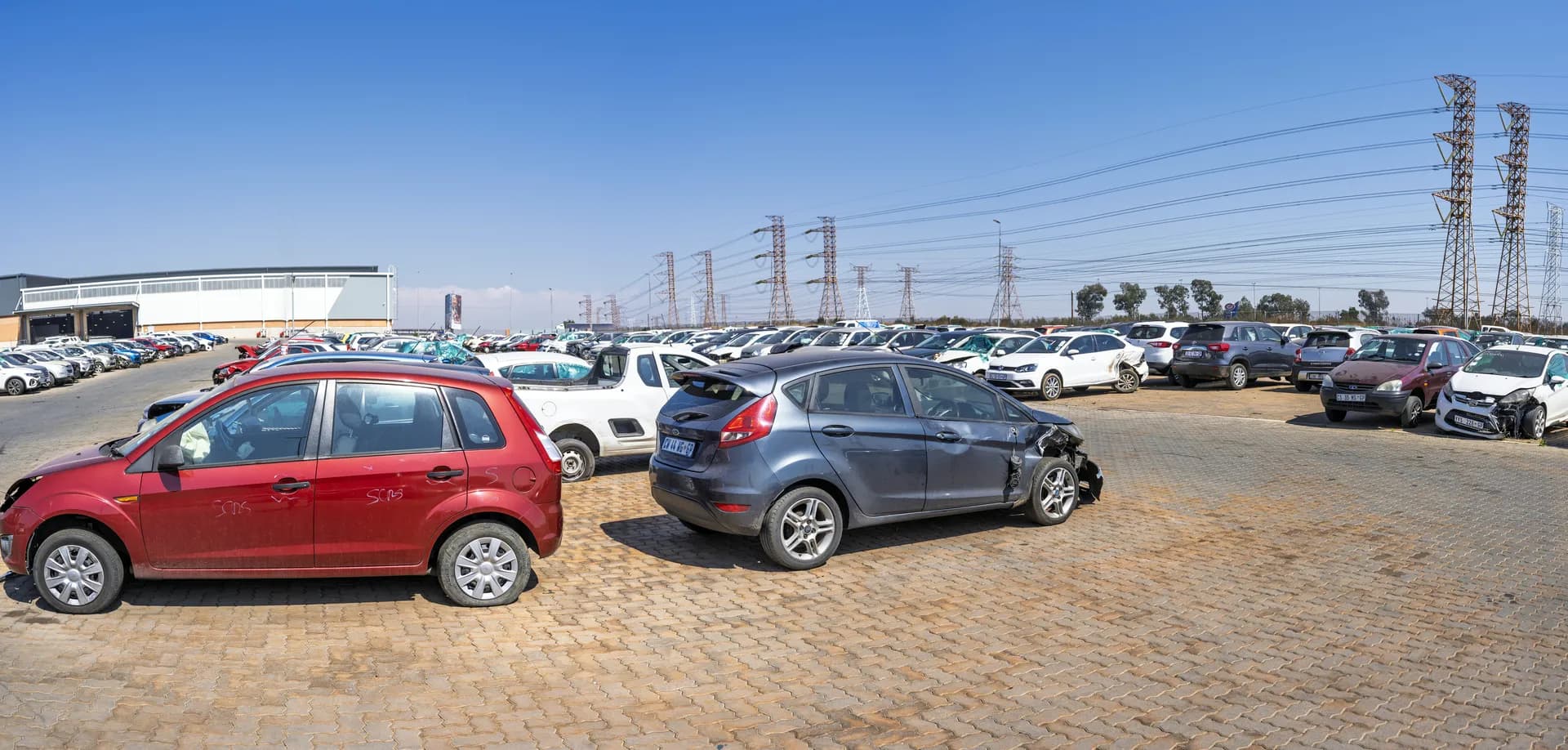
Understanding Vehicle Deregistration in South Africa
Vehicle deregistration is the legal process of removing a vehicle from the national road traffic registry when it's been written off, scrapped, exported, permanently damaged or is otherwise no longer roadworthy. For South Africans selling accident-damaged, non-running, or salvage cars, deregistering prevents liability for traffic fines, e-toll fees, and ownership disputes. It's a critical step for both private sellers and businesses looking to dispose of fleet vehicles responsibly.
When and Why Should You Deregister?
- If your vehicle has been written off by insurance or declared unfit for the road
- When selling to a scrap yard, salvage dealer, or car-buying specialist like Sell Your Damaged Car
- After a total loss due to accident, fire, flood, or mechanical failure
Ignoring deregistration can mean ongoing legal and financial liability, including fines and license fees. South African law requires the owner to notify the authorities within 21 days of becoming aware that the vehicle must be deregistered.
Key Steps for Vehicle Deregistration
- Gather required documents: title/NaTIS certificate, owner's ID, proof of address, and, if under finance, a settlement letter from the bank.
- Complete the Notification of Change of Ownership/Sale (NCO) form (NCO, Form 534) or the Deregistration of Vehicle form (ADV), depending on the reason.
- Visit your nearest licensing office or municipality. In major centres like Johannesburg, Cape Town, and Durban, use the dedicated licensing departments.
- Pay any outstanding license fees or penalties.
- Submit forms and receive confirmation. Keep all receipts and reference numbers for your records.
| Reason for Deregistration | Required Form | Key Steps |
|---|---|---|
| Written-off/irreparable | ADV (Application for Deregistration) | Proof of damage/loss, title, ID, pay fees |
| Sold to specialist dealer | NCO (Notification of Change of Ownership) | Dealer fills in part B, you submit |
| Exported or scrapped | ADV | Export docs/scrapping proof, title, ID |
SA-Specific Notes
- Vehicles under finance: Banks may require settlement before allowing deregistration; consult your financial institution.
- Free towing services: When using a reputable car-buying service, towing is often included and paperwork assistance provided.
- Keep all confirmation documents-licensing departments may request them in future license renewal scenarios.
Tips to Make Deregistration Smooth and Safe
- Photocopy or scan all forms before submitting them, and save digital copies.
- Confirm the identity of any buyer or agent assisting with deregistration.
- Never leave blank forms with third parties; always fill sections in your own handwriting where possible.
- Ask the licensing office for written confirmation that deregistration is complete.
- If selling to a specialized company like Sell Your Damaged Car, verify that they assist with all paperwork and ensure you receive proof when the process is finalized.
| Common Deregistration Mistake | Potential Consequence |
|---|---|
| Delaying notification beyond 21 days | Administrative penalties; fines; ongoing license costs |
| Using incomplete or incorrect forms | Application rejection or delays |
| Failing to get proof of deregistration | Risk of liability for traffic violations |
What Happens After Your Car Is Deregistered?
Once confirmed, your vehicle is officially removed from the eNaTIS database and can't legally be used on public roads. This significantly reduces risk of future liability and clears the way for you to move on, whether you're claiming insurance, scrapping the vehicle, or finalizing a sale.
If you chose a specialist service, confirm they send you a deregistration certificate or written confirmation for your records. Retain this documentation in a safe place for at least several years, as proof may be needed for financial, legal, or insurance reasons.
Related Resources for Sellers
- How to Sell a Non-Running Car
- Selling Damaged Cars in SA: What You Need to Know
- How Our Paperwork Process Works
Sources
Seasoned automotive specialists dedicated to helping you turn your damaged or non-running vehicle into cash fast and hassle-free.
Disclaimer: This content is for educational purposes only. Product availability, pricing, and specifications are subject to change. Always verify current details on the retailer's website before making a purchase. We may earn affiliate commissions from qualifying purchases.
Why sell your damaged car to us?

A Division of Auction Nation, the leading expert in selling damaged cars

Best price for your damaged car

Get a cash offer within 24h

We buy damaged cars in any condition

We buy accident- damaged cars still under finance

Free, no obligation offer on your vehicle
How We Calculate Your Damaged Car’s Value
Wondering how we calculate your car’s value? At Sell Your Damaged Car, we look at: Your car’s real condition, its salvage value, and the current market demand. It’s all about honesty, transparency, and fairness — that’s how we determine your offer.
Frequently Asked Questions
Get answers to common questions about Legal And Paperwork
Why Choose Sell Your Damaged Car?
Free Towing
Need a tow? We got you
Hassle Free
Get a cash offer within 24h!
Nationwide
Somewhere remote? No problem!
