
Best Practices for Selling Scrap Cars in South Africa - Practical, SA-Specific Guide
Practical, South Africa-specific best practices for selling scrap, written-off or non-running cars. Learn paperwork, valuation tips, and how to maximise offers.
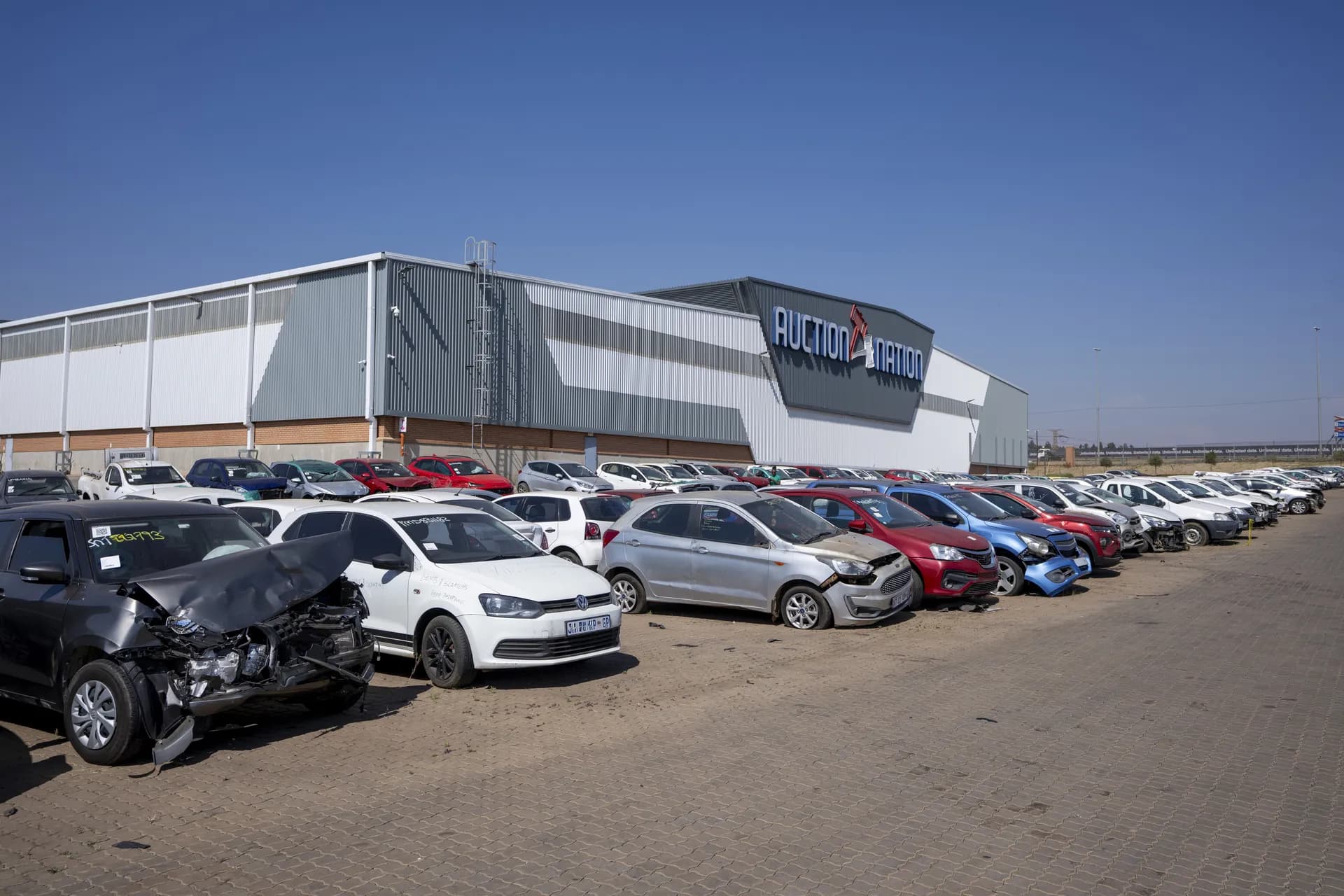
Prepare Photos & Docs
Clear pictures and the logbook speed valuation and improve offers.
Know Repair vs Sell
If repairs approach retained value, selling as scrap is often wiser.
Handle Paperwork Right
Disclose finance, get signed transfer documents and confirm deregistration.
Overview: selling scrap cars in South Africa
If you own a scrap car, written-off vehicle or non-running vehicle in South Africa, following clear best practices reduces delays, avoids common pitfalls and helps you secure a competitive cash offer. This guide covers when it makes sense to sell versus repair, how a streamlined online sale typically works, the paperwork you should expect, and practical tips to improve offers. Where relevant, figures are shown in R and are presented as approximate ranges - actual outcomes depend on condition, model year and regional salvage demand.
Why follow best practices?
Scrap cars attract a range of buyers - salvage yards, specialist car buyers and dismantlers. Doing a few preparatory steps before you request an offer reduces negotiation friction, speeds collection and ensures you transfer the vehicle legally. For an overview of how a specialist buyer operates, see our About / How it works page.
When to sell vs repair
Deciding whether to repair or sell a scrap car comes down to three practical tests: repair cost versus retained value, safety and legal roadworthiness, and time/effort. If repair costs exceed a meaningful share of the car’s pre-damage market value, selling is often the better option - especially for older vehicles or cars with structural damage.
Repair cost vs value retained
| Scenario | Typical repair cost (R, estimate) | Value retained after repair (estimate) |
|---|---|---|
| Minor cosmetic & panel repair | R3,000 - R12,000 | 70%-85% of pre-damage market value |
| Significant mechanical or structural repair | R20,000 - R80,000+ | 40%-70% of pre-damage market value |
| Flood, fire or write-off | Often uneconomical | 25%-50% (varies widely) |
If quoted repair estimates approach or exceed the retained value ranges above, selling as a scrap or salvage vehicle is usually the more cost-effective choice. For owners of non-running cars, see the guidance on our Sell Non-Running Car page for process details tailored to non-starters.
How the streamlined sale process typically works
Specialist buyers who handle scrap cars aim to reduce logistics and admin for sellers. A common, efficient workflow is:
- Upload vehicle details and clear photos.
- Receive an obligation-free valuation based on condition, model and salvage demand.
- Accept the competitive cash offer if it meets your expectations.
- Buyer arranges free towing, completes paperwork (including deregistration where applicable), and issues payment.
Practical note: Choose a buyer who provides free nationwide collection and handles deregistration. That removes the most common headaches for sellers across Cape Town, Johannesburg, Durban and surrounding regions.
What buyers look for when valuing a scrap car
| Damage type | Typical effect on offer |
|---|---|
| Cosmetic / minor panel damage | Small reduction; parts resaleable |
| Mechanical failure (non-running) | Moderate reduction; dependent on engine/transmission condition |
| Structural/frame damage | Significant reduction; parts salvage value lower |
| Flood or fire damage | Major reduction; may be sold for parts or scrap only |
Accurate photos and honest descriptions speed up valuation and reduce the chance of an offer change at inspection. For examples of the kinds of damaged vehicles we buy, see our Sell Damaged Cars information.
Legal & paperwork in South Africa - what to expect
Selling a scrap car in South Africa requires proper documentation to transfer ownership and avoid future liability. Common requirements include the vehicle registration document (logbook / registration certificate), a valid ID for the seller, a signed transfer form or sale agreement, and settlement of any outstanding finance. If the vehicle is deregistered or written off by an insurer, additional insurer paperwork may be needed.
Key steps to protect yourself
- Disclose whether the car is under finance. If it is, inform the buyer and the finance provider - settlements must be arranged before transfer.
- Keep copies of all sale documents and proof of payment (bank transfer confirmations). A reputable buyer will provide paperwork that clearly notes the vehicle is sold as scrap/salvage.
- Confirm deregistration is completed where applicable; specialist buyers often handle this on your behalf, reducing admin for you.
Tips to maximise your offer on a scrap car
- Provide clear, well-lit photos from multiple angles including engine bay and interior - transparency reduces valuation uncertainty.
- List any major components that are working (radio, alternator, wheels, airbags intact) - working parts increase salvage value.
- Gather service history and minor invoices. Even basic maintenance records can nudge offers higher.
- Be honest about structural or flood damage - accurate information prevents last-minute offer reductions.
Examples from South African scenarios
Example 1 - Johannesburg: A 2010 sedan with engine seized but intact body may fetch a better offer from buyers who value parts demand in that region. Example 2 - Coastal flood-affected cars in Durban often attract lower offers due to corrosion risk; disclosing flood exposure up front avoids delays. These are illustrative scenarios; offers vary by model, age and market demand.
What happens after collection
After you accept an offer and the buyer collects the vehicle (often via free towing), expect the following: paperwork finalised (transfer/deregistration where applicable), payment processed (fast payment into your nominated bank account) and a receipt or sale agreement provided. Keep all documentation for your records. If the vehicle was under finance, ensure the finance balance is settled and the lien removed.
How to avoid common post-sale issues
- Confirm receipt of payment before handing over keys and documents.
- Retain copies of signed transfer documents; verify the buyer’s company details and ID.
- If the buyer handles deregistration, ask for confirmation once the process completes.
Final practical checklist
- Take multiple photos (exterior, interior, engine bay, odometer).
- Locate the vehicle registration document and proof of ID.
- Note any finance details and inform the buyer early.
- Request a clear sale agreement showing payment terms and deregistration details.
Further reading and how we help
If you want a practical, nationwide option that buys cars in any condition and manages towing and paperwork, review our process on the homepage or read more about our approach on the About / How it works page.
Sources
Seasoned automotive specialists dedicated to helping you turn your damaged or non-running vehicle into cash fast and hassle-free.
Disclaimer: This content is for educational purposes only. Product availability, pricing, and specifications are subject to change. Always verify current details on the retailer's website before making a purchase. We may earn affiliate commissions from qualifying purchases.
Why sell your damaged car to us?

A Division of Auction Nation, the leading expert in selling damaged cars

Best price for your damaged car

Get a cash offer within 24h

We buy damaged cars in any condition

We buy accident- damaged cars still under finance

Free, no obligation offer on your vehicle
How We Calculate Your Damaged Car’s Value
Wondering how we calculate your car’s value? At Sell Your Damaged Car, we look at: Your car’s real condition, its salvage value, and the current market demand. It’s all about honesty, transparency, and fairness — that’s how we determine your offer.
Frequently Asked Questions
Get answers to common questions about Tips And Advice
Why Choose Sell Your Damaged Car?
Free Towing
Need a tow? We got you
Hassle Free
Get a cash offer within 24h!
Nationwide
Somewhere remote? No problem!
