
Benefits of Selling Accident Cars to Salvage Buyers in South Africa
Explore the practical benefits of selling accident-damaged cars to salvage buyers in South Africa - free towing, paperwork help, faster disposal and realistic comparisons to repair.
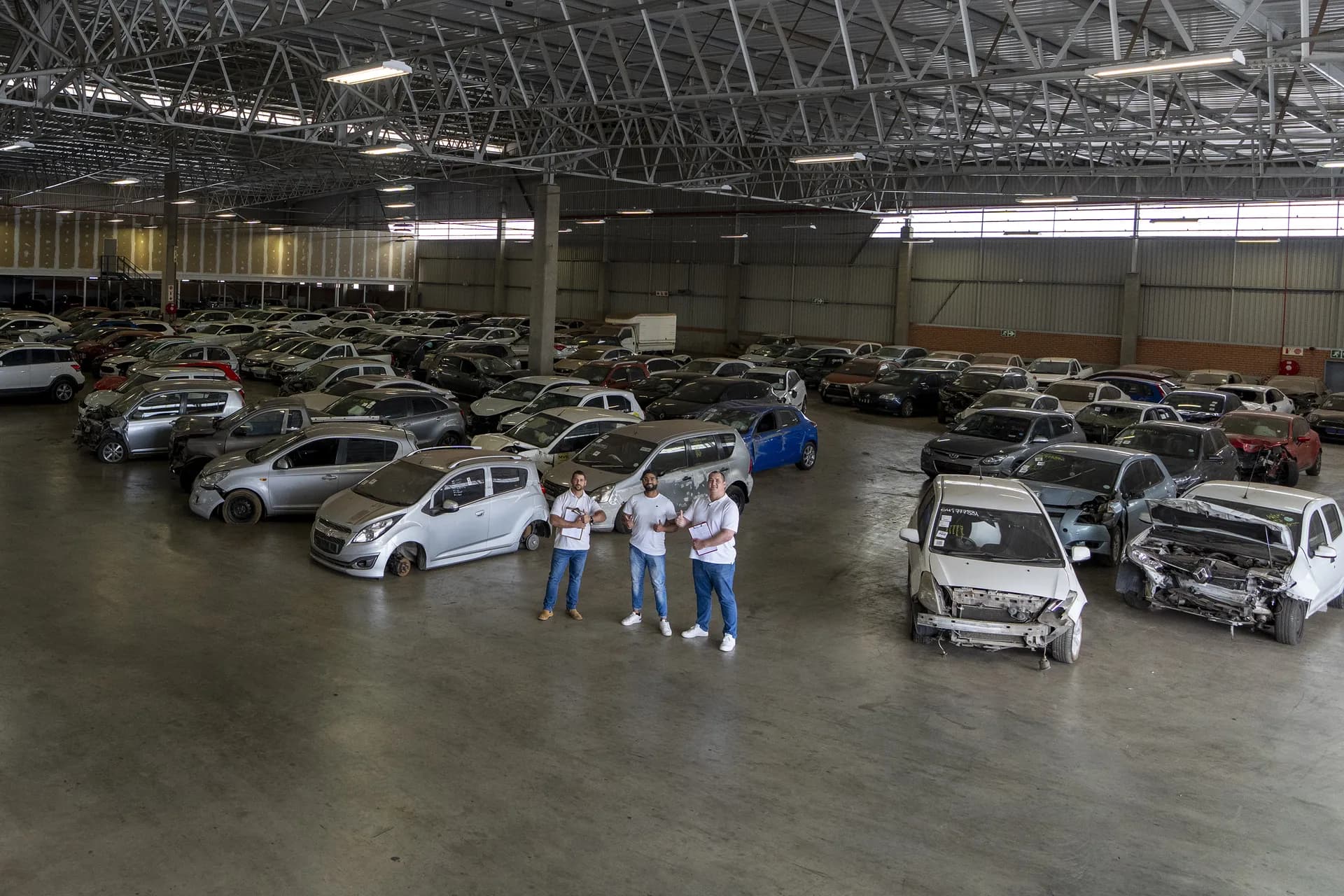
Faster Disposal
Sell quickly and avoid long private-sale timelines and storage costs.
Logistics & Paperwork
Many salvage buyers offer free nationwide towing and handle deregistration.
Predictable Outcome
Transparent offers help you compare options and avoid unexpected repair costs.
Overview: Why consider selling accident cars to salvage buyers
When a vehicle is involved in an accident the choices commonly are repair, keep as-is, or sell to a specialist buyer. Selling accident cars to salvage buyers is an option many South African owners consider because it often reduces time, risk and ongoing costs associated with a damaged vehicle. This article explains the main benefits, trade-offs and practical steps so you can decide whether a salvage sale fits your situation.
What we mean by salvage buyers
Salvage buyers purchase vehicles in accident-damaged, written-off, flood- or fire-damaged, or non-running condition and either dismantle them for parts, repair them for resale in appropriate markets, or sell the vehicle for scrap. These buyers operate across the supply chain - including dismantlers, breakers, and licensed salvage dealers - and they price offers based on condition, make, age and the local salvage demand.
Quick note for South Africa
In SA, selling to a salvage buyer can remove the burden of storage, towing and deregistration. Many services offer free nationwide collection and handle paperwork, which is particularly helpful in Johannesburg, Cape Town, Durban and surrounding regions.
Key benefits at a glance
- Faster disposal: avoids long private-sale timelines and advertising.
- Logistics handled: towing and collection often included by reputable salvage buyers.
- Paperwork support: deregistration and transfer admin managed by the buyer in many cases.
- Predictable outcome: a transparent offer reduces negotiation and uncertainty.
- Low carrying cost: frees you of insurance, storage and repairs you would otherwise fund.
When selling to salvage buyers makes sense
Consider a salvage sale when repair estimates approach or exceed the vehicle’s market value, when the car is non-running, or when you need a fast, low-effort solution. For those unsure about options, our How it works page explains the typical offer-to-collection timeline and what documentation is needed.
Repair cost vs value retained (example table)
| Scenario | Typical repair estimate (R) | Estimated market value after repair (R) | When salvage sale is preferable |
|---|---|---|---|
| Moderate frontal damage (structural minor) | R15,000 - R35,000 (estimate) | R70,000 - R95,000 | If repair >30% of value or insurer writes off |
| Severe damage / non-running | R40,000+ | Varies widely | Often better to sell to salvage buyers |
| Flood or fire damage | High, often uneconomic | Significantly reduced | Salvage buyers typically preferred |
Figures above are illustrative R estimates for South Africa and will vary by make, model and year. They are provided to help compare likely repair costs against value retained. For more on selling non-running vehicles, see our Sell Non-Running Car page.
When to sell vs when to repair
Deciding between repair and selling to salvage buyers depends on cost, timing and risk appetite. If repairs restore safe, reliable operation at a cost significantly lower than replacement or resale value, repair may be justified. However, for older vehicles, severe structural damage, or cases where ongoing insurance and storage are costly, selling to a salvage buyer is often the more practical outcome.
Damage types vs typical offer impact
| Damage type | Typical effect on salvage offer | Notes for sellers |
|---|---|---|
| Minor panel damage | Moderate reduction | Photographs and clear descriptions help preserve value |
| Structural/frame damage | Significant reduction | Often classified as write-off by insurers |
| Mechanical failure (non-running) | Varies; depends on parts value | High-demand parts can offset condition |
| Flood / fire | Large reduction | Safety and salvage classification affect offers |
Practical steps and seller protections
- Get multiple offers where possible to compare competitive cash offers.
- Provide clear photos and honest descriptions to avoid valuation changes later.
- Confirm whether towing, collection and deregistration are included; many buyers offer free nationwide collection.
- If the vehicle is under finance, notify the financer - salvage sales require settlement or lender consent.
For a step-by-step walk-through of a typical sale from online offer to collection, see our Sell Damaged Cars page. If you want background on the company and processes used by reputable buyers, our homepage and About / How it works describe free towing, paperwork handling and payment timing.
After the sale: what to expect
Once you accept an offer, a reputable salvage buyer will typically arrange collection, complete transfer paperwork (including assistance with deregistration where applicable) and settle payment promptly. Keep records of the sale, transfer forms and any settlement confirmation for your files. If the vehicle was insured or financed, follow up with the insurer or financer to confirm settlement and next steps.
Examples from South African sellers
Example scenarios where sellers chose salvage buyers include: a Cape Town owner with severe flood damage who avoided costly repairs and storage fees; a Johannesburg fleet manager who expedited disposal of a written-off light commercial vehicle; and a Durban private owner whose non-running car had high parts demand, making a salvage sale competitive. Each seller valued speed, reduced admin and predictable outcomes over the uncertain private-sale route.
Sources
- South African Department of Transport - official guidance and regulations
- South African Police Service - reporting and documentation after accidents
- AA South Africa - motoring advice on selling written-off and damaged vehicles
- BusinessTech - industry articles on the South African salvage and used-vehicle markets
Deciding to sell accident cars to salvage buyers is often a practical choice when you prioritise speed, lower ongoing costs and simplified logistics. Use the checklist above, confirm what the buyer includes (towing, paperwork, payment terms), and compare offers to ensure a competitive cash outcome for your vehicle.
Seasoned automotive specialists dedicated to helping you turn your damaged or non-running vehicle into cash fast and hassle-free.
Disclaimer: This content is for educational purposes only. Product availability, pricing, and specifications are subject to change. Always verify current details on the retailer's website before making a purchase. We may earn affiliate commissions from qualifying purchases.
Why sell your damaged car to us?

A Division of Auction Nation, the leading expert in selling damaged cars

Best price for your damaged car

Get a cash offer within 24h

We buy damaged cars in any condition

We buy accident- damaged cars still under finance

Free, no obligation offer on your vehicle
How We Calculate Your Damaged Car’s Value
Wondering how we calculate your car’s value? At Sell Your Damaged Car, we look at: Your car’s real condition, its salvage value, and the current market demand. It’s all about honesty, transparency, and fairness — that’s how we determine your offer.
Frequently Asked Questions
Get answers to common questions about Comparison And Alternatives
Why Choose Sell Your Damaged Car?
Free Towing
Need a tow? We got you
Hassle Free
Get a cash offer within 24h!
Nationwide
Somewhere remote? No problem!
