
Avoid-Scams-When-Selling-a-Storm-Damaged-Car in South Africa - Practical Guide
Learn how to avoid scams when selling a storm-damaged car in South Africa. Practical verification steps, paperwork tips, and safety checks for sellers nationwide.
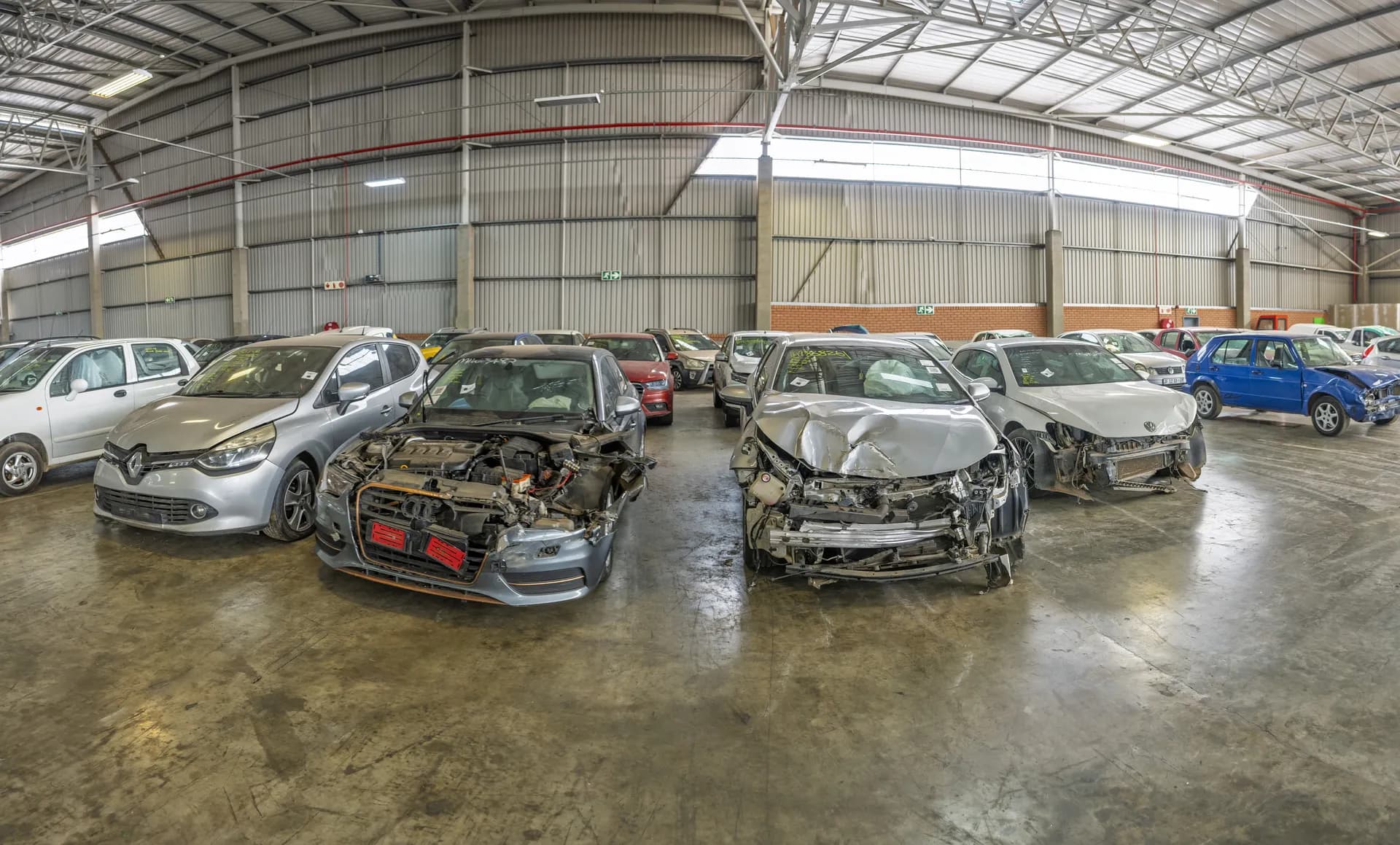
Recognise Common Scams
Watch for fake buyers, upfront fee requests and unverifiable payments.
Secure Selling Checklist
Get written offers, verify identity, use tracked payment and free towing.
SA Legal & Paperwork
Ensure deregistration, check finance status and keep signed documents.
Overview: avoid-scams-when-selling-a-storm-damaged-car
Selling a storm-damaged car creates extra risk: fraudsters target distressed sellers with bogus buyers, fake transfers, and towing scams. This guide explains how to recognise common scams, which checks to make in South Africa, and how to sell securely using a transparent buyer that offers free towing and paperwork support. The steps below will help private owners and small fleet managers in Johannesburg, Cape Town, Durban and beyond.
Why this matters
Storm damage often leaves cars non-running or unsafe to drive. That urgency can make sellers vulnerable to rushed offers or unscrupulous buyers. Understanding safe selling practices reduces financial and legal exposure and helps you get a competitive cash offer without unnecessary risk.
When to sell vs repair
Deciding whether to repair or sell a storm-damaged car depends on repair cost, vehicle age, and the expected value after repair. If repair estimates are close to or exceed the vehicle's current market value, selling is often the simpler, lower-risk option.
| Repair cost (approx.) | Typical retained value after repair (estimate) | Seller consideration |
|---|---|---|
| Under R10,000 | High (70-90%) | Repair likely economical; still check insurance. |
| R10,000-R50,000 | Medium (40-70%) | Compare repair quote vs competitive cash offer. |
| Over R50,000 | Low (under 40%) | Selling may be preferable; avoid rushed private sales. |
Quick note: figures above are broad estimates for South Africa and depend on make, model and extent of storm damage. All monetary examples use R and are illustrative only.
Common scams to watch for
- Fake buyer identity: buyers who refuse verifiable contact details or present forged IDs.
- Upfront fee scams: requests to pay for towing, paperwork or clearance before payment.
- Fake payment confirmations: screenshots or emails claiming payment without a verified bank transfer.
- Title-transfer confusion: buyers who pressure sellers to sign incomplete documentation or hand over keys before funds clear.
- Third-party middlemen: unsolicited brokers who take a cut and disappear.
How to verify a buyer safely
Always verify identity and business credentials. Check a buyer's website, physical address, and online reviews. For established services, review their process transparency: do they offer free towing, handle deregistration, and show clear payment terms? If you want to learn how our process typically works and the protections we provide, see the company overview at About / How it works.
If a buyer insists on cash collection without a verifiable payment trail, treat this as high risk. Prefer buyers who can provide bank payment details and will complete the transfer into your account or use traceable methods.
Extra precautions for storm-damaged vehicles
Storm-damaged cars may be non-running or flooded - ensure any buyer that schedules towing provides a written collection order and confirms that towing is free of charge. If a buyer requests you to arrange and pay for towing, request an itemised invoice and reimbursements in writing before agreeing.
For more details on selling non-running cars and what documentation helps valuations, review the relevant guidance at Sell Non-Running Car.
How the secure selling process works (safe checklist)
A secure, transparent buyer follows these clear steps: 1) online valuation based on photos and details, 2) a written, obligation-free offer, 3) agreed collection with free towing where applicable, 4) paperwork finalised (including deregistration) and 5) verified payment released after transfer confirmation. Using a buyer that documents each step limits scam exposure.
Step-by-step seller checklist
- Get at least two independent written offers or repair quotes.
- Confirm buyer identity and read independent reviews.
- Never accept payment promises without a verified bank transfer that shows in your account.
- Keep copies of all signed paperwork and take dated photos of the vehicle at handover.
- Insist the buyer handles deregistration and provides written confirmation once complete.
Legal & paperwork in South Africa
In South Africa, transfer and deregistration procedures vary slightly by province, but basic protections include a signed written agreement, a valid ID and proof of payment. If the vehicle is under finance, you must notify the finance house and settle the outstanding balance or obtain written settlement instructions. Avoid buyers who suggest bypassing the finance provider - that increases legal risk.
| Damage type | Typical impact on offers | What to check |
|---|---|---|
| Flood / water damage | High impact; electrical and long-term corrosion risk | Photographs of interior, engine bay, and odour; full disclosure to buyer. |
| Roof / panel damage (storm debris) | Variable; structural damage lowers offers | Provide clear photos of structural areas and any repair estimates. |
| Non-running / mechanical failure | Medium to high; depends on cause | Note whether vehicle rolls/brakes function and provide recent service history. |
Tips to maximise your offer while avoiding scams
- Be transparent in your description and photos - omissions can lead to cancelled offers.
- Prepare clear photos from multiple angles (interior, engine bay, VIN/chassis). Buyers rely on images when valuing storm damage.
- Request a written offer with itemised deductions for salvage or repair; avoid informal verbal promises.
- Prefer buyers who include free towing and manage paperwork - this reduces interactions with third parties who may be dishonest. For example, learn how services manage damaged-car sales on the site homepage at Sell Your Damaged Car.
- If using a service that specialises in damaged vehicles, check whether they provide deregistration support and immediate payment after collection; such inclusions reduce risk of post-sale disputes.
What happens after collection
A reputable buyer will confirm collection details in writing, tow the vehicle on the agreed date, complete transfer/deregistration paperwork, and provide proof of payment. Keep a record of the collection note and the payment confirmation. If the buyer delays deregistration or payment, contact the buyer in writing and, if unresolved, escalate to your bank and report to the relevant authorities.
Red flags that indicate possible fraud
- Buyers who refuse to provide a physical address or reputable references.
- Requests to sign blank or partial documents.
- Pressure to accept a lower written offer at collection time with promises of later top-up payments.
- Payment delays where the buyer cites banking processes but cannot supply a verifiable bank reference.
If you suspect fraud, pause the transaction. Legitimate buyers will accept a short delay while you verify details; persistent pressure is a warning sign.
Further reading and specialised guidance
For more details about selling damaged cars and the documentation that helps speed safe sales, see our Sell Damaged Cars resource at Sell Damaged Cars. That page explains required photos, typical paperwork and what to expect from a transparent buyer.
Sources
Seasoned automotive specialists dedicated to helping you turn your damaged or non-running vehicle into cash fast and hassle-free.
Disclaimer: This content is for educational purposes only. Product availability, pricing, and specifications are subject to change. Always verify current details on the retailer's website before making a purchase. We may earn affiliate commissions from qualifying purchases.
Why sell your damaged car to us?

A Division of Auction Nation, the leading expert in selling damaged cars

Best price for your damaged car

Get a cash offer within 24h

We buy damaged cars in any condition

We buy accident- damaged cars still under finance

Free, no obligation offer on your vehicle
How We Calculate Your Damaged Car’s Value
Wondering how we calculate your car’s value? At Sell Your Damaged Car, we look at: Your car’s real condition, its salvage value, and the current market demand. It’s all about honesty, transparency, and fairness — that’s how we determine your offer.
Frequently Asked Questions
Get answers to common questions about Tips And Advice
Why Choose Sell Your Damaged Car?
Free Towing
Need a tow? We got you
Hassle Free
Get a cash offer within 24h!
Nationwide
Somewhere remote? No problem!
