
How to Avoid Payment Risk When Selling a Hail-Damaged Car in South Africa
Learn practical steps to avoid payment fraud and reversals when selling a hail-damaged car in South Africa: verify payment, secure paperwork and choose reputable buyers.
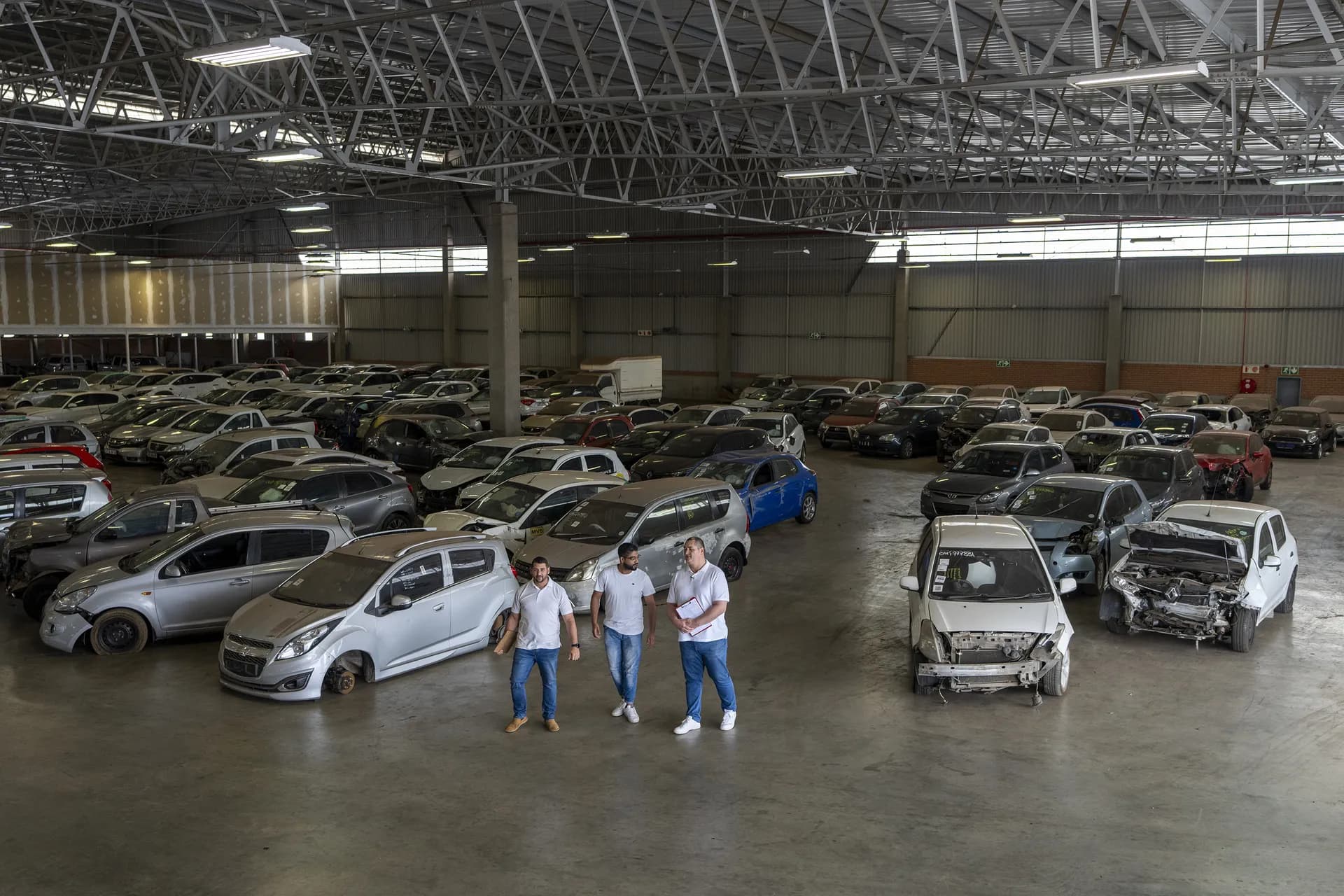
Verify Payment First
Wait for cleared funds and documentation before releasing vehicle or signing transfer papers.
Use Clear Written Agreements
Document condition, price, payment method and who handles deregistration.
Prefer Reputable Buyers
Buyers who handle towing and paperwork reduce logistical and payment risk.
Overview: Payment risk when selling a hail-damaged car
Selling a hail-damaged car can be a straightforward way to recover cash, but it carries specific payment risks: delayed funds, fraudulent buyers, or payment reversals. This guide focuses on how South African vehicle owners can avoid payment risk when selling a hail-damaged car by using secure processes, clear paperwork, and reputable buyers. Examples use South African context and amounts shown as R are estimates where relevant.
When to sell vs repair after hail damage
Deciding whether to repair or sell affects both valuation and payment security. If repair estimates approach or exceed the car's market value, selling often reduces ongoing risk and avoids uncertain repair timelines. Repairing may make sense for late-model cars with minor panels affected; selling can be preferable for vehicles with widespread body damage or when the owner needs quick cash.
| Scenario | Typical repair cost (estimate) | Value retained after repair | Payment risk if selling |
|---|---|---|---|
| Minor dents on few panels | R6,000 - R15,000 | High (70-90%) | Low if buyer is reputable |
| Widespread hail damage to roof/bonnet | R15,000 - R45,000 | Moderate (50-75%) | Moderate; verify buyer funds |
| Structural or water entry from hail events | R40,000+ | Low (<50%) | Higher; prefer secure, documented sale |
How the buyer type affects payment security
- Private buyers can offer higher cash but increase risk of payment reversal or disputes.
- Dealers and specialist buyers often provide verified payment and handle paperwork, lowering payment risk.
- Online marketplaces require extra caution: verify buyer identity and bank transfer proofs before transfer of title.
Tip: Use a buyer who offers documented, traceable payment (bank transfer with verification) and who handles deregistration or paperwork - this reduces your exposure to payment fraud.
For an organised selling route that reduces payment risk, consider services that manage collection, paperwork and payment verification. Learn more about how our process works on the About / How it works page or review options for damaged vehicles on the Sell Damaged Cars page. These resources outline common checks and protections buyers can offer.
How to avoid payment risk when selling a hail-damaged car: step-by-step
Follow these steps to reduce the chance of non-payment, payment reversal or disputed transfers when you sell a hail-damaged car in South Africa.
1. Verify the buyer and payment method
- Prefer bank transfers cleared to your account before signing transfer documents. Avoid accepting cheques or unverified electronic payment screenshots.
- If a third-party escrow or buyer claims to use escrow, confirm the escrow provider independently and verify that you receive cleared funds before releasing the vehicle.
- When dealing with a company, confirm registration and contact details; request a letter of intent on company letterhead if needed.
2. Complete clear written agreements and documentation
Use a sale agreement that states vehicle condition (hail-damaged), sale amount, payment method, and the exact point at which ownership transfers. Keep photographic records dated at the time of sale. If the vehicle is under finance, obtain a settlement figure and a written release from the finance provider; selling without settling finance increases legal and payment risk.
3. Understand legal & paperwork issues in South Africa
South African transfers must be registered with the relevant authority. Many reputable buyers handle deregistration and transfer on your behalf; confirm who is responsible in writing. If the vehicle is still on finance, ensure a settlement and release from the lender to avoid future claims. For stolen or accident reports, keep copies of any SAPS case numbers or insurer correspondence.
| Issue | What to do in South Africa |
|---|---|
| Vehicle under finance | Get a written settlement from the lender and ensure the title is clear before finalising. |
| Deregistration and transfer | Use a buyer who handles deregistration or confirm transfer steps; retain proof of submission. |
| Payment reversals | Wait for cleared funds in your bank account; keep bank confirmation and signed sale documents. |
4. Practical tips to maximise your offer while protecting payment
- Provide clear, dated photos and accurate damage descriptions - transparent listings attract serious buyers and reduce last-minute disputes.
- Ask for verified bank transfer with confirmation from your bank before you release the car or sign transfer documents.
- Prefer buyers who offer free towing and handle paperwork (including deregistration) - this reduces logistical risk and ensures transfer steps are followed.
Damage types vs typical offer impact
| Damage type | Typical offer impact | Payment risk considerations |
|---|---|---|
| Surface dents and paint blemishes | Small reduction; easier to sell privately | Lower; still verify buyer funds |
| Multiple panel damage | Moderate reduction; better with specialist buyers | Medium; use documented payments |
| Structural or water ingress | Significant reduction; often sold to salvage buyers | Higher; choose reputable salvage buyer who pays via cleared bank transfer |
What happens after collection and how to protect yourself
Once you accept an offer and collection is arranged, retain copies of all documents: signed sale agreement, proof of payment (cleared funds), deregistration or transfer receipts, and a dated handover record. If the buyer arranges free towing and paperwork, confirm timelines for payment and request written confirmation that transfer processes have been initiated. If any payment issues arise, contact your bank immediately and retain all communication records and references.
For step-by-step support when selling hail-damaged or non-running vehicles, see the practical selling route on the Sell Non-Running Car page or start from our homepage to compare options. These links explain administrative steps and how verified payment is processed by specialist buyers.
Sources
- South African Department of Transport - vehicle transfer and registration information
- South African Police Service - reporting accidents and theft
- National Credit Regulator - guidance on selling vehicles under finance
- South African Insurance Association - context on salvage and insurance treatment of damaged vehicles
Seasoned automotive specialists dedicated to helping you turn your damaged or non-running vehicle into cash fast and hassle-free.
Disclaimer: This content is for educational purposes only. Product availability, pricing, and specifications are subject to change. Always verify current details on the retailer's website before making a purchase. We may earn affiliate commissions from qualifying purchases.
Why sell your damaged car to us?

A Division of Auction Nation, the leading expert in selling damaged cars

Best price for your damaged car

Get a cash offer within 24h

We buy damaged cars in any condition

We buy accident- damaged cars still under finance

Free, no obligation offer on your vehicle
How We Calculate Your Damaged Car’s Value
Wondering how we calculate your car’s value? At Sell Your Damaged Car, we look at: Your car’s real condition, its salvage value, and the current market demand. It’s all about honesty, transparency, and fairness — that’s how we determine your offer.
Frequently Asked Questions
Get answers to common questions about Tips And Advice
Why Choose Sell Your Damaged Car?
Free Towing
Need a tow? We got you
Hassle Free
Get a cash offer within 24h!
Nationwide
Somewhere remote? No problem!
