
Average Payout for Fire-Damaged Cars in South Africa - What Owners Should Know
Learn what affects payouts for fire-damaged cars in South Africa, how insurers and salvage buyers calculate value, and practical steps to compare outcomes.
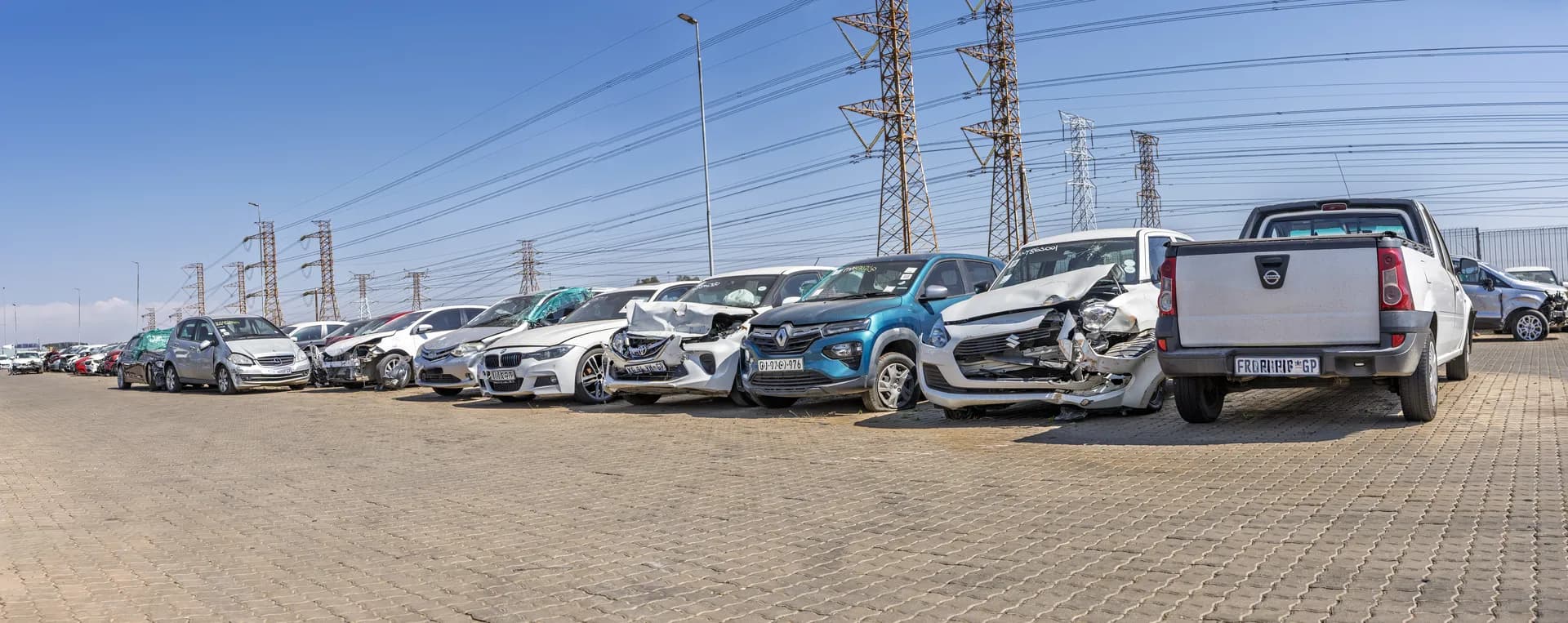
No single average
Payouts vary widely based on damage severity, policy terms and salvage demand.
Know your options
Compare insurer settlement outcomes with specialist salvage buyer quotes.
Documentation matters
Clear photos, service history and accurate statements improve valuations.
Overview: average payout for fire-damaged cars
If your vehicle has been damaged by fire, you may be wondering what the average payout for fire-damaged cars looks like in South Africa. There is no single, fixed figure: outcomes depend on whether the claim goes through an insurer, a salvage market sale, or a direct cash sale to a specialist buyer. This guide explains the main factors that determine settlement values, how insurers and buyers approach fire damage, and practical considerations for owners in Johannesburg, Cape Town, Durban and surrounding regions.
Key distinctions owners should know
Two separate processes typically determine what you receive after a fire loss:
- Insurance settlement: an insurer will assess whether the vehicle is a total loss and pay an amount based on the insured market value less any excess and policy terms.
- Salvage / direct sale: if the insurer retains salvage rights or you choose to sell privately, the vehicle’s salvage value is what buyers will offer - often reflecting usable parts demand and repair feasibility.
Why you may not see a single "average payout"
Fire damage ranges from minor electrical fires to full engine bay and interior destruction. Because severity, pre-loss market value, age, make and parts demand all vary, reported payouts are best considered as ranges and context-dependent estimates rather than definitive averages.
Repair cost vs value retained
| Repair cost (relative) | Typical effect on retained value | Practical implication |
|---|---|---|
| Low (minor interior/electrical) | Small to moderate reduction | Repair may be viable; insurer may opt to pay repairs or replace parts. |
| Medium (engine bay or partial structural heat) | Significant reduction | Insurer more likely to declare total loss; salvage value influenced by parts demand. |
| High (extensive fire, interior gutted) | Major reduction - vehicle often a write-off | Settlement handled as total loss; salvage buyers focus on strip-for-parts or scrap metal value. |
Damage types vs typical offer impact
| Damage type | How buyers and insurers view it | Offer impact |
|---|---|---|
| Superficial interior burn (seats, trim) | Repairable; parts available | Moderate reduction in value |
| Electrical system fire | Risk of hidden faults; costly to diagnose | Offers lower due to uncertainty |
| Engine bay or structural heat | Major mechanical and safety concerns | Significantly reduced offers; often written-off |
SA-specific context
In South Africa, insurers and salvage buyers operate across metros and rural areas. If you prefer to avoid insurer salvage retention, consider a direct sale to a specialist buyer who purchases fire-damaged vehicles; see our Sell Damaged Cars page for details on selling damaged vehicles across the country Sell Damaged Cars.
When selling might make sense instead of repairing
Repairing a fire-damaged car can be time-consuming, may uncover additional faults, and often requires specialist labour and parts. If repair estimates approach or exceed the vehicle’s pre-loss market value, many owners choose to sell as-is. For non-running or heavily damaged cars the specialised route is explained on our Sell Non-Running Car page, which outlines how non-runners are valued and collected Sell Non-Running Car.
Practical example (process, not amounts)
For many owners in Johannesburg, Cape Town or Durban the fastest route after a fire is: obtain insurer assessment, request a written estimate, and compare with salvage market options. If the insurer declares a write-off and retains salvage, you will receive the settlement per your policy; if you retain the vehicle, you can pursue a cash sale to a specialist buyer. Our About page explains how we manage valuations, paperwork and collection nationwide About / How it works.
How payouts are calculated and key drivers
Several elements influence any payout for fire-damaged cars: pre-loss market value, policy wording (sum insured vs market value), excess amounts, proof of maintenance, the degree of fire damage, and salvage demand. Market demand for parts from your vehicle’s make, model and year can materially increase or decrease salvage offers. Location matters: buyers in Cape Town or Johannesburg may pay differently depending on logistics and local demand.
Insurance vs salvage buyer perspectives
- Insurers aim to indemnify the insured - settlement reflects market value calculations and policy terms, minus excess and any prior damage deductions.
- Specialist salvage buyers price risk and resale potential: intact high-demand parts raise offers; safety-critical, heat-compromised components reduce them.
Legal & paperwork considerations in South Africa
Whether you accept an insurer settlement or sell to a salvage buyer, paperwork must be finalised. Key steps often include deregistration, transfer documentation if selling, and settling any finance encumbrances. Vehicles under finance require lender consent before sale or transfer; unpaid finance will typically need to be settled from the settlement proceeds. If you’re unsure about the paperwork process or need help with deregistration, professional buyers can assist with admin and collection.
Tips to maximise what you receive (without promising specific amounts)
- Document damage clearly with dated photos and an incident statement to support insurer or buyer inspections.
- Obtain at least two independent valuations: an insurer’s assessment and a salvage market quote to compare outcomes.
- Supply service records and keys - evidence of maintenance can improve market valuation.
- If you opt to sell, disclose all damage honestly and ask the buyer to confirm whether they handle towing and paperwork.
What happens after collection
After you accept a sale to a specialist buyer, they normally arrange free towing, complete required transfer or deregistration paperwork, and release payment according to agreed terms. If selling through an insurer, payout timing is governed by your policy and the insurer’s claims process. For specifics about free towing, paperwork handling and payment for damaged vehicles, see the service overview on the Sell Your Damaged Car homepage Sell Your Damaged Car.
Final considerations for South African owners
There is no universal "average payout" for fire-damaged cars that applies to every case. Instead, focus on understanding your insurer’s policy, gathering documentation, and getting competitive, transparent quotes from reputable buyers. If you want a clear comparison between insurer outcomes and direct salvage options, seek multiple written valuations and choose the option that best aligns with your priorities: speed, simplicity, or maximising net proceeds.
Sources
Seasoned automotive specialists dedicated to helping you turn your damaged or non-running vehicle into cash fast and hassle-free.
Disclaimer: This content is for educational purposes only. Product availability, pricing, and specifications are subject to change. Always verify current details on the retailer's website before making a purchase. We may earn affiliate commissions from qualifying purchases.
Why sell your damaged car to us?

A Division of Auction Nation, the leading expert in selling damaged cars

Best price for your damaged car

Get a cash offer within 24h

We buy damaged cars in any condition

We buy accident- damaged cars still under finance

Free, no obligation offer on your vehicle
How We Calculate Your Damaged Car’s Value
Wondering how we calculate your car’s value? At Sell Your Damaged Car, we look at: Your car’s real condition, its salvage value, and the current market demand. It’s all about honesty, transparency, and fairness — that’s how we determine your offer.
Frequently Asked Questions
Get answers to common questions about Damage Types
Why Choose Sell Your Damaged Car?
Free Towing
Need a tow? We got you
Hassle Free
Get a cash offer within 24h!
Nationwide
Somewhere remote? No problem!
