
Average Payout for Accident Cars in SA - What Influences Cash Offers
Learn what drives average payouts for accident cars in South Africa, how damage types and paperwork affect offers, and practical steps to improve your cash outcome.
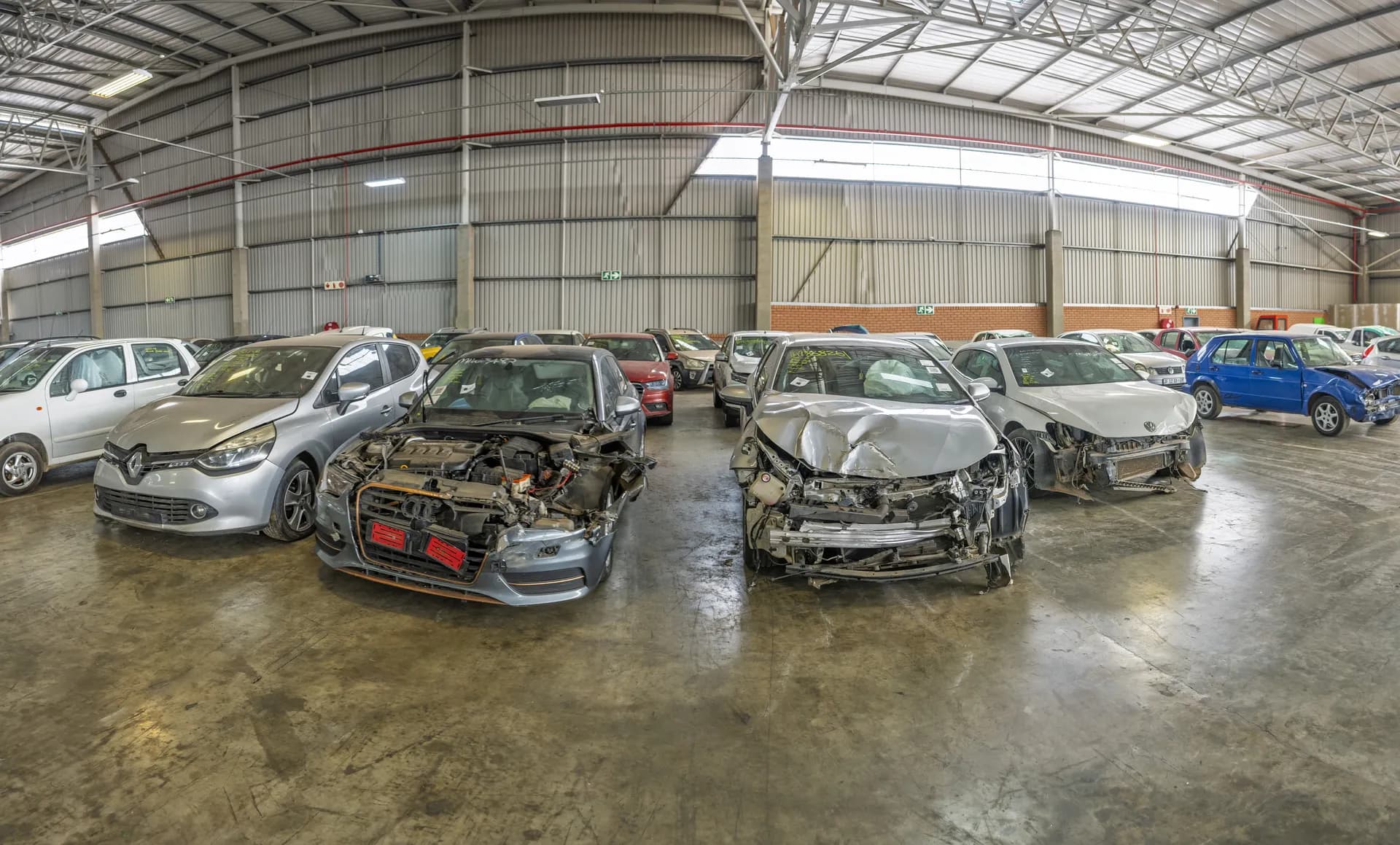
Payouts Vary Widely
Offers depend on damage type, market demand and paperwork, not a single national figure.
Repair vs Sell Decision
Compare repair cost to expected retained value and factor in time and logistics.
Paperwork & Towing Matter
Free towing and handled deregistration reduce hassle and affect net cash outcome.
Overview: What "average payout" means for accident cars in South Africa
When people search for the average payout for accident cars SA they are usually trying to understand how much of a vehicle's pre-accident market value is commonly recovered after a write-off or significant damage. Payouts vary because insurers, salvage buyers and private purchasers each use different valuing methods. Factors such as the vehicle's market value before the accident, the nature and extent of damage, parts demand, model desirability and regional salvage demand in Johannesburg, Cape Town or Durban all matter.
This guide explains the key drivers behind average payouts, compares repair cost vs retained value, shows how damage type typically affects offers, and outlines practical steps South African owners can take to get a fair cash outcome. For a clear view of selling a vehicle that no longer runs, see our Sell Non-Running Car page. If your vehicle sustained body damage but may be repairable, our Sell Damaged Cars page explains common valuations.
Quick note
References to averages or ranges in this article are indicators of market patterns, not guaranteed offers. Actual cash offers depend on your car's condition, documentation and local demand.
How payouts are typically calculated
There are three common valuation approaches in South Africa: insurer total-loss settlements (based on market value less salvage retention), salvage-market offers (what dismantlers or wreck buyers will pay), and private-sale outcomes (selling parts or the whole vehicle). Each approach produces different average results because of differing objectives - insurers settle a claim, wreck buyers maximise parts value, and private sellers may accept lower offers to avoid logistics.
Repair cost vs value retained
A useful way to estimate whether to repair or sell is comparing expected repair costs against expected retained value after repair. Below is a simplified table illustrating typical relationships seen in the market; figures are illustrative ranges and not offers.
| Scenario | Typical repair cost (illustrative) | Expected retained market value after repair (illustrative) | When selling instead may be preferable |
|---|---|---|---|
| Minor cosmetic damage | Lower than 10% of pre-accident value | Near pre-accident market value (less stigma) | If repair quotes exceed budget or vehicle age is low |
| Moderate structural/functional damage | Often 20%-50% of pre-accident value | Value may be 60%-90% of pre-accident value after repair | If repair costs approach or exceed retained value |
| Major write-off / frame/flood/fire damage | Often exceeds vehicle's residual value | Significantly below pre-accident value; often sold for parts | Selling for salvage is commonly the practical option |
Damage types and their typical impact on offers
Different types of damage affect payouts in predictable ways because they change repair complexity and parts demand. The next table summarizes common patterns; entries are indicative categories used by buyers and insurers.
| Damage type | Typical impact on offers | Notes for SA owners |
|---|---|---|
| Minor dents & scratches | Small negative impact | Cosmetic repairs are straightforward in urban centres like Cape Town |
| Structural/frame damage | Large reduction in offers | Repairs require certified workshops; insurers may write off |
| Engine/transmission failure | Significant negative impact | Non-running status increases transport/logistics costs for buyers |
| Flood or fire damage | Typically major reduction | High risk for hidden faults; buyers factor in removal of hazardous parts |
When to sell versus repair
Deciding whether to repair or sell involves more than comparing a single quote. Consider repair cost relative to the vehicle's market value, future reliability, insurer position, finance balance and how soon you need funds. For many owners in South Africa, selling to a specialist buyer who handles towing and paperwork is an attractive alternative when repair costs approach the car's residual value.
How the process works when selling a written-off or damaged car
Specialist buyers and services typically follow a standard flow: you submit vehicle details and images online, receive a transparent offer reflecting condition and market demand, accept if suitable, and the buyer handles collection and paperwork. For an overview of our steps and administrative help, see our About / How it works page. If your car cannot be started, our streamlined process for non-running vehicles explains the expected logistics - visit Sell Non-Running Car for details.
Legal and paperwork considerations in South Africa
Paperwork can materially affect net proceeds. Typical issues include vehicle registration transfer or deregistration, outstanding finance, and insurer requirements for written-off vehicles. Sellers should confirm whether a vehicle has finance against it; if it does, settlement with the finance house is usually required before clear transfer. Many reputable buyers provide assistance with deregistration and claim documentation - look for clear confirmation that this admin is included.
Tips to maximise your cash outcome
- Provide clear photos showing VIN/chassis, odometer and all damaged areas - transparency reduces downward adjustments.
- Gather service history and ownership documents; clean paperwork speeds verification and can improve offers.
- Declare outstanding finance up front; buyers will quote accurately and outline finance-settlement steps.
- Compare offers from an insurer salvage settlement and specialist wreck buyers; choose the route that minimises time, risk and out-of-pocket costs like towing.
What happens after collection
After you accept an offer and hand over the vehicle, reputable buyers typically take care of deregistration, transfer documents and any necessary statutory forms. Payment timing varies by buyer, but many services provide fast payment once vehicle and documents are verified. If the vehicle was under finance, funds may be directed to the finance provider first and any surplus to you; confirm the exact payout flow before accepting.
If you prefer to begin with a quick, obligation-free valuation for a damaged or non-running vehicle from our nationwide service, start at the homepage where you can upload your details and images securely: Sell Your Damaged Car - homepage. Our process covers free towing, paperwork handling and payment steps to reduce hassle for owners across Johannesburg, Cape Town, Durban and surrounding areas.
Practical example scenarios (experience-based)
A late-model vehicle with minor bumper and panel damage often retains most of its market worth after economical repairs; owners sometimes prefer repair. Conversely, a vehicle with major structural, flood or engine damage is commonly more practical to sell for salvage because repair costs and regulatory checks can be complex. Fleet managers with multiple written-off units often favour bulk salvage sales to avoid downtime and repeated towing costs.
Sources
Seasoned automotive specialists dedicated to helping you turn your damaged or non-running vehicle into cash fast and hassle-free.
Disclaimer: This content is for educational purposes only. Product availability, pricing, and specifications are subject to change. Always verify current details on the retailer's website before making a purchase. We may earn affiliate commissions from qualifying purchases.
Why sell your damaged car to us?

A Division of Auction Nation, the leading expert in selling damaged cars

Best price for your damaged car

Get a cash offer within 24h

We buy damaged cars in any condition

We buy accident- damaged cars still under finance

Free, no obligation offer on your vehicle
How We Calculate Your Damaged Car’s Value
Wondering how we calculate your car’s value? At Sell Your Damaged Car, we look at: Your car’s real condition, its salvage value, and the current market demand. It’s all about honesty, transparency, and fairness — that’s how we determine your offer.
Frequently Asked Questions
Get answers to common questions about Comparison And Alternatives
Why Choose Sell Your Damaged Car?
Free Towing
Need a tow? We got you
Hassle Free
Get a cash offer within 24h!
Nationwide
Somewhere remote? No problem!
