
Auction Options for Damaged Cars in South Africa - A Practical Guide
Learn the auction routes for damaged, non-running and written-off cars in South Africa, plus legal steps, fee comparisons and tips to maximise sale proceeds.
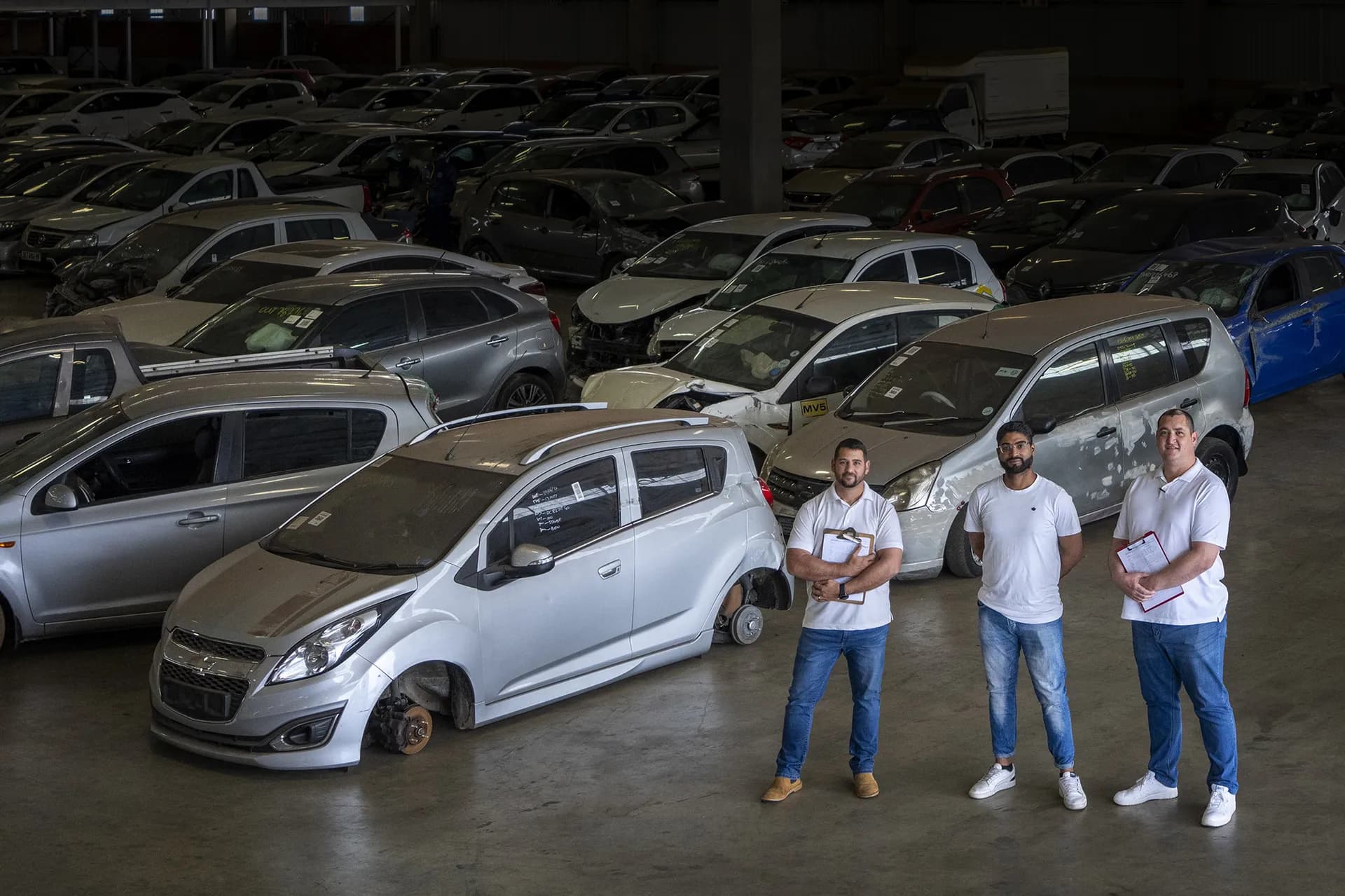
Auction Types Explained
Insurer, trade, specialist and online auctions each attract different buyers and fees.
Compare Net Proceeds
Account for auction commissions, transport and paperwork when assessing outcomes.
Regional & Legal Notes
Consider deregistration, finance status and location-specific demand in SA.
Quick overview
Auctions are a common route to sell damaged cars in South Africa. They range from salvage- and insurer-led auctions to public and online marketplaces. Each option has different fees, timelines and buyer pools - understanding these helps you choose whether an auction, a direct sale or using a specialist buyer is best for your situation.
Overview: auction options for damaged cars
In South Africa the main auction routes for damaged vehicles are: insurer/salvage auctions, specialist salvage yards that run auctions, dealer/trade-only auctions and public online platforms. Auctions can deliver competitive demand for parts or whole-vehicle buyers, but they also come with commission, admin and sometimes transport costs. When considering auctioning your damaged car, compare net proceeds after fees, the time to finalise the sale, and the level of paperwork the buyer or auction house requires.
Types of auctions
- Insurer/salvage auctions - usually handle written-off vehicles from insurance claims.
- Trade/dealer auctions - open to licensed dealers and breakers; often yield faster sales to trade buyers.
- Public online auctions - open to the general public and trade; useful for wide exposure.
- Specialist salvage yard auctions - attract dismantlers and parts buyers focused on specific makes/models.
Repair cost vs value retained (example estimates)
| Scenario | Typical repair cost (estimate) | Value retained if sold after repair (estimate) |
|---|---|---|
| Minor accident (cosmetic panels) | R4,000 - R12,000 | 70% - 90% of pre-damage value |
| Moderate structural or mechanical | R15,000 - R60,000 | 40% - 70% of pre-damage value |
| Severe write-off (salvage) | Often exceeds vehicle value | Typically sold for parts or salvage value |
These ranges are illustrative and depend on vehicle age, make/model and local labour/parts costs. For many owners the question becomes whether auction fees and the likely salvage-market price make auctioning worthwhile compared with direct sale alternatives such as a specialist buyer who handles towing and paperwork. For a clear comparison of direct selling options, see our Sell Damaged Cars overview.
When to choose auction vs repair or direct sale
Consider auction when you need a quick sale, when your vehicle has clear salvage value (parts or whole-unit demand), or when an insurer directs a vehicle to auction. Consider repair or private sale if repair costs are low relative to the retained value and you have time to market the car. If the car is non-running, specialised buyers can often offer a simpler route than auction - compare both paths before deciding.
If you want more detail on selling non-running vehicles and alternatives to auctions, our Sell Non-Running Car page explains options that remove towing and admin headaches.
How auction processes typically work in South Africa
Auction houses vary, but the usual stages are: vehicle intake and condition report, listing (live or online), bidding period, buyer payment and collection arrangements. Expect seller fees or commissions and, depending on the auction, minimum reserve prices. Logistics such as transporting a non-running vehicle to the auction yard can be charged to the seller unless the auction house or buyer arranges collection.
Damage types vs typical offer impact
| Damage type | Typical buyer interest | Typical effect on auction price |
|---|---|---|
| Cosmetic damage (panels, minor dents) | Private buyers, repairs | Moderate reduction vs clean example |
| Mechanical failure (engine/transmission) | Trade buyers, breakers | Significant reduction due to repair cost |
| Structural/frame or flood/fire | Salvage buyers, parts dismantlers | Often sold at salvage rates |
Legal & paperwork considerations in South Africa
Regardless of selling route you must transfer ownership and where applicable notify licensing authorities. If the vehicle is under finance, you need written consent or settlement from the finance provider before transfer. For insurer-handled write-offs, insurers normally manage claim closure but auction houses will still require documentation. If you use a specialised buyer who handles deregistration and collection, ensure this is recorded in writing.
How to maximise auction returns
- Provide clear photos and an honest condition report to attract the right buyers.
- Supply service history and ownership documents to reduce buyer uncertainty.
- Compare net proceeds after auction fees and transport costs; ask for an itemised fee breakdown.
- Consider trade-only auctions for vehicles likely to attract dismantlers - this can shorten sale time.
- If you prefer to avoid auction fees and logistics, compare specialist buyers who offer free towing and paperwork handling; our About / How it works page describes options for owners nationwide.
What happens after collection
Once the buyer or auction house collects the vehicle, final settlement depends on the auction's terms. Some auctions release funds shortly after sale clears; others have buyer payment windows. If you sold via a specialist purchaser who collects, they typically handle deregistration and final payment once collection is verified. Always obtain a signed transfer receipt and confirm bank payment details before handing over keys or documentation.
South Africa-specific notes
Nationwide coverage matters: auctions and buyers operate differently across metros like Johannesburg, Cape Town and Durban compared with remote areas. Transport costs and buyer demand vary by region. If arranging removal is difficult, consider a buyer who provides free towing and handles paperwork to reduce time and complexity when selling a damaged car.
Deciding which route to take
Choose auctions for broader exposure to trade and salvage buyers, fast sales where market demand exists, or when insurers direct vehicles to auction. Choose direct specialist buyers when you want minimal logistics, free towing, handled deregistration and fast payment. For a side-by-side comparison of selling choices and practical steps, our homepage has a concise process summary at Sell Your Damaged Car.
Sources
- South African Department of Transport - official information on licensing and vehicle transfer
- AA South Africa - consumer guidance on buying, selling and salvaged vehicles
- South African Insurance Association - context on write-offs and insurance handling
Practical example: a 2012 mid-range hatchback with engine failure may attract dismantlers at trade auctions; transport and auction fees typically reduce net proceeds by a noticeable margin, whereas a direct specialist buyer who collects and handles deregistration could simplify the transaction and speed payment. Figures and outcomes vary by region and condition; use the examples above only as a guide and get quotes from multiple channels before deciding.
Seasoned automotive specialists dedicated to helping you turn your damaged or non-running vehicle into cash fast and hassle-free.
Disclaimer: This content is for educational purposes only. Product availability, pricing, and specifications are subject to change. Always verify current details on the retailer's website before making a purchase. We may earn affiliate commissions from qualifying purchases.
Why sell your damaged car to us?

A Division of Auction Nation, the leading expert in selling damaged cars

Best price for your damaged car

Get a cash offer within 24h

We buy damaged cars in any condition

We buy accident- damaged cars still under finance

Free, no obligation offer on your vehicle
How We Calculate Your Damaged Car’s Value
Wondering how we calculate your car’s value? At Sell Your Damaged Car, we look at: Your car’s real condition, its salvage value, and the current market demand. It’s all about honesty, transparency, and fairness — that’s how we determine your offer.
Frequently Asked Questions
Get answers to common questions about Comparison And Alternatives
Why Choose Sell Your Damaged Car?
Free Towing
Need a tow? We got you
Hassle Free
Get a cash offer within 24h!
Nationwide
Somewhere remote? No problem!
