
Assessing Vehicle Damage Before Purchase - Practical Guide for South Africa
Learn how to assess vehicle damage before buying in South Africa: inspection checklist, repair vs value guidance, legal checks and damage-impact tables.
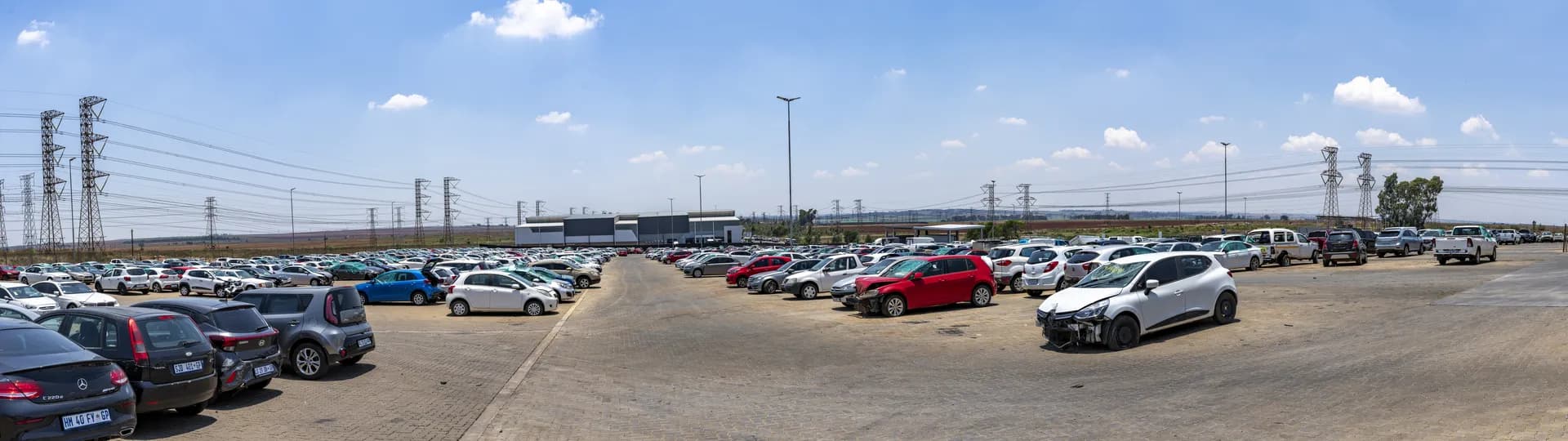
Inspect Key Areas
Check structure, engine, electrics and underbody for hidden issues.
Estimate Repair vs Value
Use realistic R estimates and independent quotes to guide decisions.
Confirm Legal Status
Verify VIN, outstanding finance and transfer paperwork in SA.
Overview: Why thorough damage assessment matters
Assessing vehicle damage before purchase protects your budget and avoids unexpected liabilities. Whether you are buying privately, at auction, or from a dealer, careful inspection helps you judge repair feasibility, resale prospects and legal considerations specific to South Africa. This guide explains what to look for, how to estimate costs, and which questions to ask sellers so you can decide whether to buy, negotiate or walk away.
A quick pre-inspection checklist
- Check vehicle identity: VIN/chassis number and licence disc.
- Walk around the car: doors, panels, gaps and paint consistency.
- Inspect under the bonnet and underbody for leaks, corrosion and repairs.
- Start the engine (if possible) and listen for unusual noises.
- Request maintenance records and an independent vehicle history check.
Note: If you are not confident inspecting mechanically complex systems, arrange an independent inspection. The cost of a professional check often outweighs the risk of buying a structurally damaged vehicle.
Key areas to inspect
Focus on visible and hidden indicators of previous collisions or neglect. Structural damage, airbag deployment, and frame repairs materially affect safety and value. Look for mismatched paint, uneven panel gaps, fresh welds, or new suspension parts. Under the bonnet check for bent strut towers, cracked mounts, coolant/oil mixing, and signs of overheating. For vehicles in coastal areas like Cape Town or Durban assess salt corrosion on chassis and brake components.
When to sell vs repair (for buyers considering future resale or fleet use)
If you plan to buy, repair and keep or re-sell the vehicle, weigh repair cost against market value after repair. For small cosmetic or wear items repairs can be worthwhile. For structural or engine damage, costs and resale discounts compound quickly. Owners of small business fleets should be stricter: downtime, certification and safety compliance add cost beyond parts and labour.
| Repair cost (estimate) | Likely value retained (post-repair) | Decision guide |
|---|---|---|
| R1,000 - R10,000 | ~90-98% of market value | Repair likely justified for cosmetic/mechanical wear. |
| R10,000 - R40,000 | ~70-90% of market value | Consider detailed inspection; negotiate price or seek alternative units. |
| R40,000+ | <50-70% of market value | High risk: avoid unless repair history and part sourcing are guaranteed. |
Estimates above are illustrative and depend on model, age and parts availability. South African labour rates and parts pricing vary by city; expect higher workshop costs in metros like Johannesburg and Cape Town compared with smaller towns. For buyers considering non-running vehicles, see detailed guidance on selling or disposing at the Sell Non-Running Car page for perspective on downstream salvage options.
How the inspection process works (step-by-step)
A structured inspection lowers uncertainty. Follow these steps before committing to purchase:
- Visual walk-around and basic systems check (lights, tyres, fluid levels).
- VIN and documentation verification; confirm service stamps and MOT/equipment records.
- Vehicle history report for accident claims, odometer checks and outstanding finance.
- Independent mechanical inspection for engine, gearbox, suspension and structural assessment.
- If available, a professional tow-to-workshop test for roadworthiness and diagnostics.
For added context on how professional buyers view non-running or badly damaged cars, our Sell Damaged Cars resource explains common damage categories and salvage considerations.
Legal & paperwork considerations in South Africa
In South Africa, transferring ownership, confirming clear title and checking for outstanding finance are essential. Ask the seller for the registration certificate (green ID or the new-generation disc where applicable), a written receipt, and any transfer documents. If a vehicle has been written off by an insurer, it may carry a salvage status that affects registration. Buyers should check for encumbrances via the National Credit Regulator database and confirm deregistration requirements where applicable.
Practical checklist
- Verify there is no outstanding finance registered against the vehicle.
- Confirm the seller is the registered owner and request ID verification.
- Obtain a written bill of sale specifying condition and agreed terms.
- For auction or dealer purchases, read terms about "as-is" condition and any warranty limits.
Damage types vs typical offer impact
| Damage type | Common indicators | Typical impact on valuation |
|---|---|---|
| Minor cosmetic (dents, scratches) | Paint chips, small panel dents | Low-to-moderate discount; repair usually economical |
| Mechanical failure (engine/gearbox) | No-start, smoke, oil in coolant | High discount; repair costs often significant |
| Structural/frame damage | Misaligned doors, bent A-pillars | Major impact; resale and safety concerns |
| Flood/corrosion | Musty smell, electrical faults, rust | Severe impact due to long-term reliability risks |
Tips to maximise your buying outcome
- Bring a knowledgeable friend or mechanic to the inspection.
- Request time-stamped photos of key areas if you can’t inspect in person.
- Use independent vehicle history checks before transferring funds.
- Negotiate with repair estimates in hand and allocate contingency for unseen faults.
- If unsure, consider marketplace alternatives: purchasing a non-running unit with parts value or engaging specialist buyers. For insight on selling or disposing of a damaged vehicle in South Africa, see our About / How it works page.
What happens after purchase - post-buy checks and steps
Once you buy, complete transfer of ownership promptly at your local licensing office to avoid liability for fines or crashes. If you plan to repair, get written estimates and a repair schedule from a reputable workshop. For vehicles with salvage history, confirm whether insurers will underwrite future cover and factor that into running costs.
If you discover undisclosed issues soon after purchase, document them and consult the Consumer Protection Act and any sale agreement terms. For buyers who decide the repair route is not viable, specialist services exist to buy damaged or non-running cars nationwide; compare options by checking trusted resources on our homepage: Sell Your Damaged Car.
Sources
Seasoned automotive specialists dedicated to helping you turn your damaged or non-running vehicle into cash fast and hassle-free.
Disclaimer: This content is for educational purposes only. Product availability, pricing, and specifications are subject to change. Always verify current details on the retailer's website before making a purchase. We may earn affiliate commissions from qualifying purchases.
Why sell your damaged car to us?

A Division of Auction Nation, the leading expert in selling damaged cars

Best price for your damaged car

Get a cash offer within 24h

We buy damaged cars in any condition

We buy accident- damaged cars still under finance

Free, no obligation offer on your vehicle
How We Calculate Your Damaged Car’s Value
Wondering how we calculate your car’s value? At Sell Your Damaged Car, we look at: Your car’s real condition, its salvage value, and the current market demand. It’s all about honesty, transparency, and fairness — that’s how we determine your offer.
Frequently Asked Questions
Get answers to common questions about Tips And Advice
Why Choose Sell Your Damaged Car?
Free Towing
Need a tow? We got you
Hassle Free
Get a cash offer within 24h!
Nationwide
Somewhere remote? No problem!
