
After You Sell a Scrap Car - What Actually Happens Next in South Africa?
Understand what happens to scrap vehicles in South Africa after sale: the legal transfer, parts salvage, safe recycling, and your peace of mind explained.
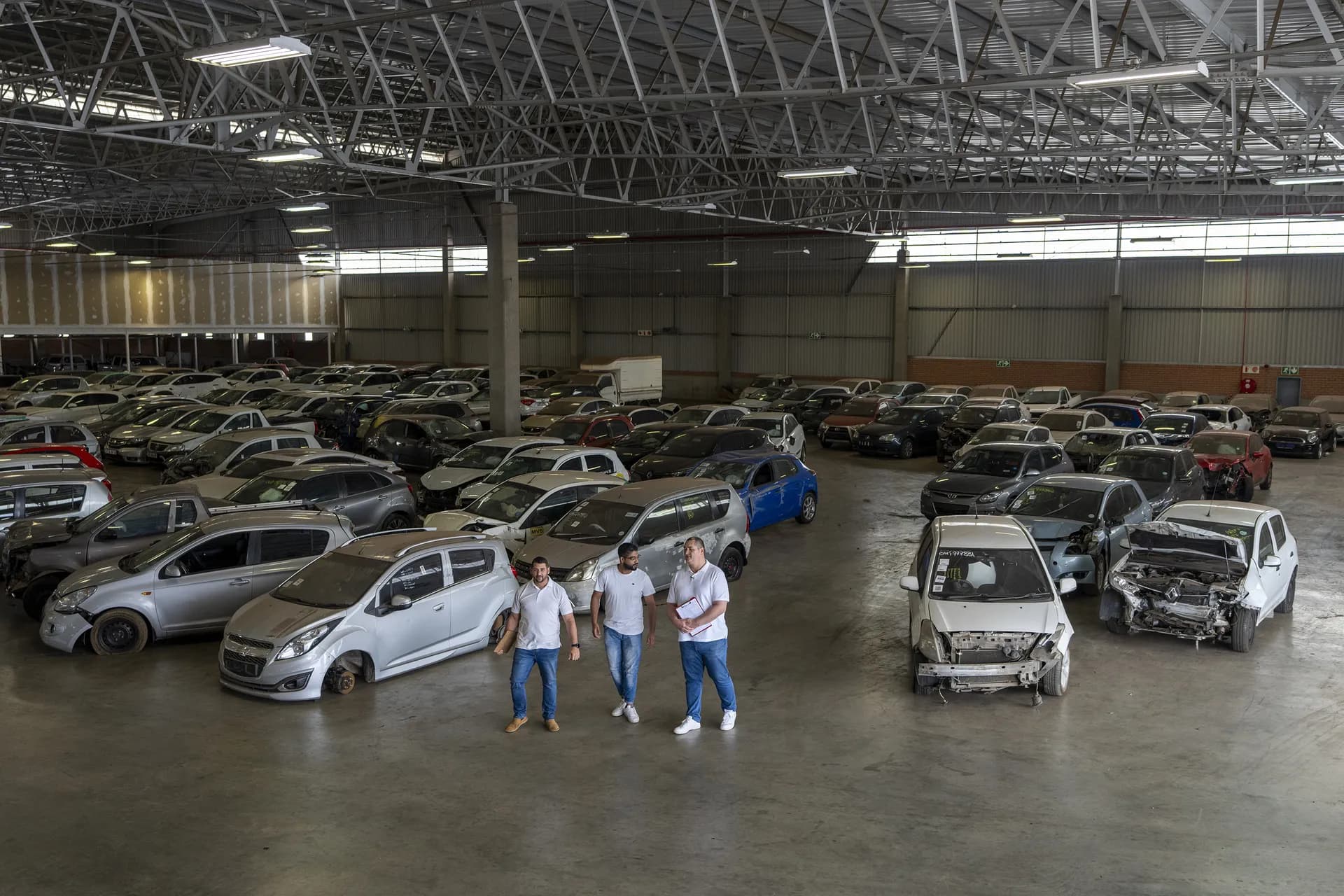
What Happens After You Sell a Scrap Car?
If you've recently sold a scrap car, you might wonder what happens to it next. In South Africa, the process behind the scenes is well-regulated to ensure both environmental safety and legal compliance. Companies like Sell Your Damaged Car streamline the transfer, but there's more to the story once the vehicle leaves your driveway - from dismantling and parts salvage to recycling and deregistration.
Step 1: Collection and Legal Transfer
After you accept an offer, your scrap car is collected by a specialised towing partner, often at no cost to you. At the same time, reputable buyers handle all necessary police clearance, change of ownership notifications at the traffic department (NaTIS), and guide you through the deregistration process - a key step for your legal protection.
Step 2: Vehicle Assessment and Sorting
Once at the receiving yard, the vehicle is carefully evaluated. Buyers and recyclers determine whether the car is a candidate for parting-out (salvaging components), full dismantling, or, rarely, for repair and resale in the case of minor damage (subject to regulatory compliance).
| Vehicle Outcome | Description/Next Steps | Typical Use in SA |
|---|---|---|
| Parts Salvage | Reusable parts are stripped and sold to repairers or private buyers. | Common for popular makes |
| Metal Recycling | Shredded for base metals; environmentally regulated facilities handle hazardous materials. | Very common, esp. for high-mileage cars |
| Occasional Repair | Only for vehicles with minor, repairable issues and clear title. | Rare, tightly regulated |
Step 3: Dismantling and Safe Disposal
If your scrap car isn't repaired, it is dismantled by SA-registered recyclers. Fluids (oils, coolants, fuel) are drained and hazardous materials (like batteries and airbags) are safely removed and disposed of under municipal and national environmental guidelines. Usable parts - engines, gearboxes, glass, electronics, body panels - are catalogued for resale, helping keep South Africa's repair market supplied affordably.
Afterwards, the remaining shell is crushed and sent to metal recycling plants, where it's processed into raw materials for new products.
Why Is This Process Important?
The post-sale journey of your scrap car plays a crucial role in both the environment and consumer safety. Legal registration ensures you're no longer responsible for fines or criminal use. Salvaging keeps valuable resources in circulation and reduces the need for new manufacturing. Approved recycling practices prevent dangerous substances from polluting landfills and groundwater.
Typical Timelines and What to Expect
- Transfer of ownership and vehicle deregistration can be processed within a few business days.
- Parts salvage and recycling often begin immediately after intake, with the full process usually completed within 2-4 weeks.
- You should no longer receive any correspondence relating to the car once it is properly deregistered in your name.
Salvage Market in South Africa
South Africa's salvage sector forms a vital part of the automotive ecosystem, supporting small workshops, spares retailers, and environmentally responsible recycling. Scrap cars provide engines, gearboxes, and panels at a lower cost than new parts, keeping the running costs of private and fleet vehicles manageable nationwide.
| Component | Usability Rate (%) | Common End Use |
|---|---|---|
| Engine/Gearbox | 40-60% | Replacement in other vehicles |
| Panels/Glass | 35-50% | Body repair for accident-damaged cars |
| Catalytic Converter/Metals | 80-90% | Metal recycling/export |
Summary: Peace of Mind for Sellers
By working with reputable buyers like Sell Your Damaged Car, you ensure your scrap vehicle is handled in line with South African legal and environmental standards. You're protected from future claims, and your old car contributes to a sustainable and safer automotive ecosystem.
Sources
Seasoned automotive specialists dedicated to helping you turn your damaged or non-running vehicle into cash fast and hassle-free.
Disclaimer: This content is for educational purposes only. Product availability, pricing, and specifications are subject to change. Always verify current details on the retailer's website before making a purchase. We may earn affiliate commissions from qualifying purchases.
Why sell your damaged car to us?

A Division of Auction Nation, the leading expert in selling damaged cars

Best price for your damaged car

Get a cash offer within 24h

We buy damaged cars in any condition

We buy accident- damaged cars still under finance

Free, no obligation offer on your vehicle
How We Calculate Your Damaged Car’s Value
Wondering how we calculate your car’s value? At Sell Your Damaged Car, we look at: Your car’s real condition, its salvage value, and the current market demand. It’s all about honesty, transparency, and fairness — that’s how we determine your offer.
Frequently Asked Questions
Get answers to common questions about Tips And Advice
Why Choose Sell Your Damaged Car?
Free Towing
Need a tow? We got you
Hassle Free
Get a cash offer within 24h!
Nationwide
Somewhere remote? No problem!
